Destination

Destination

Adhai Din Ka Jhonpra

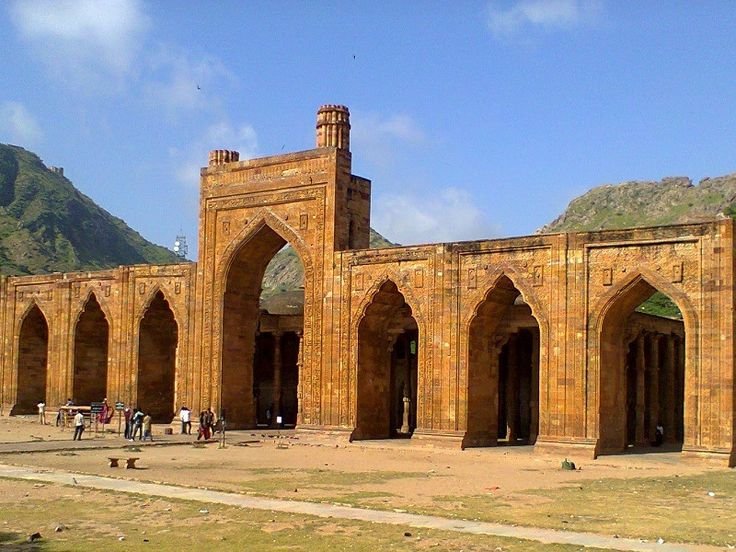
Adhai Din Ka Jhonpra Adhai Din Ka Jhonpra: Located just a short walk beyond the crowded lanes of the Ajmer Sharif Dargah, Adhai Din Ka Jhonpra is one of the oldest and most architecturally significant monuments in all of India. This fascinating structure stands as a literal, physical timeline of Rajasthan’s dramatic medieval history, showcasing an extraordinary blend of early Hindu, Jain, and Islamic craftsmanship. Its unusual name translates directly to “The Hut of Two-and-a-Half Days.” While the building boasts massive, towering stone arches and a grand courtyard, its complex origins and the legends surrounding its rapid construction make it an unmissable stop for history buffs and architecture lovers. A Tale Written in Sandstone and Spoils The monument we see today was originally constructed in 1153 CE as a grand Sanskrit college and monastery commissioned by the Chahamana (Chauhan) king, Vigraharaja IV. The original complex was dedicated to the goddess Saraswati and was built using highly ornate yellow sandstone pillars, beautifully carved ceilings, and traditional Hindu temple layouts. However, following the defeat of Prithviraj Chauhan in the late 12th century, Sultan Qutb-ud-din Aibak of the Ghurid Empire ordered the site to be rapidly converted into a congregational mosque. To achieve this transformation quickly, a massive front screen featuring seven towering, beautifully pointed Islamic arches was constructed out of red and yellow sandstone. Legend has it that the core conversion work was completed in an unbelievable span of just two and a half days (60 hours), giving the monument its timeless name. Other historians believe the name derives from a 2.5-day Sufi festival (Urs) that was held on the grounds centuries later. Top Things to See & Do Inside: Marvel at the Main Arched Screen: The central feature of the monument is the massive front screen added by the early Sultans. Look closely at the stone carvings—the arches are completely covered in incredibly detailed Arabic inscriptions, verses from the Quran, and delicate geometric patterns. Examine the Intricate Interior Pillars: Step inside the main prayer hall to see a jaw-dropping forest of stone columns. To gain enough height for the mosque ceiling, the builders stacked carved pillars directly on top of one another. No two pillars are exactly alike, featuring traditional Hindu and Jain motifs like bells, chains, and floral garlands. Search for the Sanskrit Inscriptions: Scattered throughout the courtyard and embedded in parts of the structure are fragments of stone tablets containing ancient Sanskrit plays and inscriptions from the original 12th-century college. Photograph the Giant Domed Ceilings: Look straight up while standing inside the hall. The concentric, overlapping stone rings forming the domes are masterpieces of ancient Indian corbeled architecture. Essential Traveler Tips for Your Visit: Operating Timings & Entry: The monument is open daily from 6:00 AM to 7:00 PM. There is absolutely no entry fee to explore the complex, making it highly accessible for budget travelers. The Best Walking Combo: Because Adhai Din Ka Jhonpra is situated on the lower slopes of Taragarh Hill, immediately behind the Ajmer Sharif Dargah, it is best visited on foot directly after your visit to the Sufi shrine. Dress Modestly: While it functions primarily as an archaeological monument under the protection of the Archaeological Survey of India (ASI), it maintains its identity as a historic place of worship. Ensure your shoulders and knees are fully covered, and you will need to remove your shoes before stepping onto the main raised prayer platform. Hire a Local Guide: The deep, layered history of this monument is written in tiny architectural details that are easy to miss. Hiring a licensed local guide at the entrance for a nominal fee will help you understand which parts of the building belong to which century. View Nearby Destinations All Events Destination Pushkar Lake Adhai Din Ka Jhonpra Ana Sagar Lake Ajmer Sharif Dargah Kolayat Deshnoke Load More End of Content.
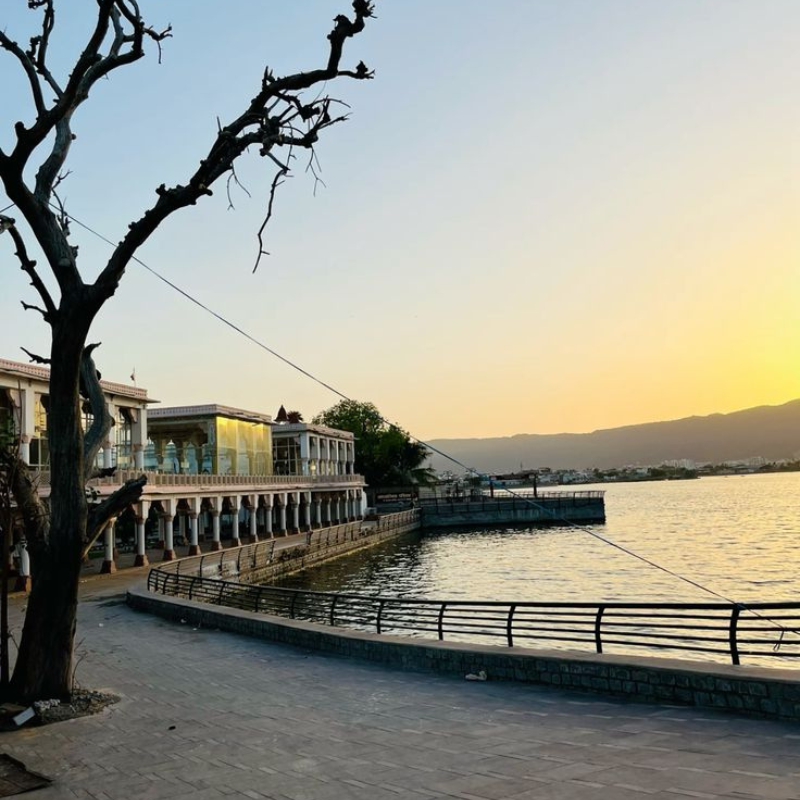
Expansive man-made Ana Sagar Lake in Ajmer with marble pavilions
Destination

Ana Sagar Lake

Ana Sagar Lake Ana Sagar Lake: Spread beautifully across the center of Ajmer city, Ana Sagar Lake is a spectacular, expansive man-made lake that offers a peaceful escape from the bustling markets surrounding it. Commissioned in the 12th century by Anaji Chauhan (the grandfather of the legendary warrior king Prithviraj Chauhan), this historic water body has served as a central gathering place, a scenic retreat, and a vital lifeline for the region for nearly a millennium. Framed by the rugged peaks of the Aravalli hills, the lake blends natural beauty with majestic Mughal imperial architecture, making it one of the most picturesque sunset destinations in Rajasthan. Mughal Elegance on the Waterfront While the lake itself is an ancient Chauhan dynasty creation, the stunning white marble structures lining its banks are a testament to the luxury of the Mughal Empire. Recognizing the sheer beauty of the lakeside setting, Emperor Jahangir laid out the sprawling Daulat Bagh (Garden of Wealth) right along the shoreline. Later, in 1637, Emperor Shah Jahan added five exquisite, intricately carved white marble pavilions known as the Baradari. Walking along the wide stone terraces connecting these pavilions feels like stepping directly into a royal court. The clean white marble contrasts beautifully with the blue waters of the lake, especially during the late afternoon when the desert sun begins to dip. Top Things to See & Do Inside: Stroll Through the Baradari: Walk under the shade of the historic marble arches built by Shah Jahan. The stone pillars feature delicate floral reliefs and offer a cool, shaded vantage point to look out over the vast expanse of the water. Take a Scenic Boat Ride: Head down to the local jetty to rent a traditional rowboat or a speed boat. Floating out onto the lake allows you to visit a small, picturesque island sitting right in the center of the water, which serves as an excellent spot for photography. Relax in Daulat Bagh: Explore the manicured lawns, shady trees, and historic water pathways of the adjacent Mughal garden. It remains a favorite spot for travelers to sit back, enjoy a gentle breeze coming off the water, and unwind after a long day of exploring Ajmer’s crowded shrines. Catch the Golden Hour Sunset: As evening approaches, the sky over the Aravalli hills turns vibrant shades of orange and pink, casting a beautiful reflection across the entire lake. Essential Traveler Tips for Your Visit: Timings & Best Hours: The lake complex and gardens are generally open daily from 8:00 AM to 8:00 PM. The absolute best time to visit is between 4:30 PM and 6:30 PM when the midday heat has faded and you can catch the sunset. Entry Fees: There is no entry fee to visit the lake banks, walk along the Baradari pavilions, or enter the Daulat Bagh gardens. If you wish to go boating, tickets are priced nominally at the jetty based on the type of boat you select. The Perfect Travel Connection: Ana Sagar Lake is located just a short 10-to-15-minute auto-rickshaw drive from the Ajmer Sharif Dargah. It makes for the perfect relaxing afternoon stop immediately following a morning visit to the busy Sufi shrine. Migratory Birds in Winter: If you plan your visit between October and March, you will be treated to the sight of thousands of exotic migratory birds that flock to the lake’s marshy edges, making it a wonderful season for wildlife enthusiasts. View Nearby Destinations All Events Destination Ana Sagar Lake Ajmer Sharif Dargah Kolayat Deshnoke Rampuria Haveli Saheliyon-ki-Bari Load More End of Content.

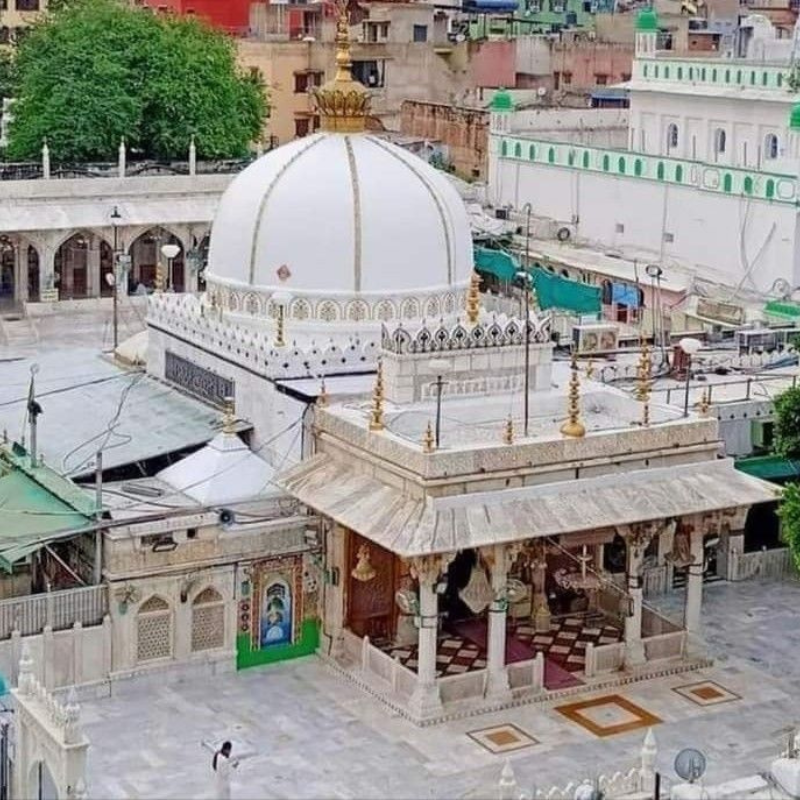
The silver-domed Sufi shrine of Khwaja Moinuddin Chishti in Ajmer
Destination

Ajmer Sharif Dargah

Ajmer Sharif Dargah Rajasthan’s Sacred Sufi Shrine Located in the heart of Ajmer city, surrounded by the rugged Aravalli hills, this magnificent 13th-century shrine is the final resting place of the legendary Sufi saint, Ghazib Nawaz Hazrat Khwaja Moinuddin Chishti. What makes the Dargah truly extraordinary isn’t just its stunning Mughal architecture—it is a global symbol of peace and unity, where people of all faiths, religions, and backgrounds gather harmoniously to seek blessings. A Living Center of Mystic Sufi Devotion Stepping past the grand, towering gates of the Dargah complex feels like entering a completely different world. The air is thick with the soothing scent of burning incense, fresh rose petals, and sandalwood. Khwaja Moinuddin Chishti was famous for his teachings of universal love, charity, and selflessness. Today, his resting place is a sprawling complex built across generations by various emperors—including Akbar, Shah Jahan, and Jahangir—featuring exquisite white marble courtyards, massive silver doors, and intricate gold-leaf inscriptions. Top Things to See & Do Inside: Offer a ‘Chadar’ at the Holy Shrine: The central focus of the Dargah is the saint’s tomb, housed under a spectacular marble dome. Devotees traditional offer a Chadar (a sacred silk cloth woven with golden threads) along with mounds of fresh roses to make a wish or express gratitude. Listen to the Soulful Evening Qawwali: As night falls, find a spot in the marble courtyard to witness the spellbinding Qawwali (Sufi devotional music). The hereditary musicians sing passionate, mystical poems accompanied by harmoniums and rhythmic hand-clapping that creates an unforgettable spiritual energy. See the Massive “Degs” (Giant Cooking Cauldrons): Inside the courtyard, you will find two enormous copper cauldrons gifted by Emperor Akbar and Jahangir. These giant pots are used daily to cook Tabarruk (blessed sweet vegetarian food) to feed thousands of poor visitors and pilgrims for free. Essential Traveler Tips for a Smooth Visit: Dress Code Requirements: Both men and women must cover their heads before entering the Dargah complex. Carry a clean handkerchief, scarf, or dupatta with you. Additionally, ensure your shoulders and knees are fully covered (avoid shorts or sleeveless tops). Beware of “Inside Guides” & Scams: Because the Dargah is incredibly crowded, you will be approached by self-proclaimed guides or priests (Khadims) offering quick access or special rituals in exchange for large sums of money. Be polite, firm, and remember that entry to the Dargah is absolutely free. Any donation you wish to make should be dropped directly into the official donation boxes. Secure Your Belongings: The narrow lanes leading to the shrine (Dargah Bazaar) and the inner courtyards are heavily packed with people. Keep your phones, wallets, and bags securely in front of you to prevent accidental loss or pickpocketing. Operating Timings: The Dargah gates open early from 5:00 AM to 9:00 PM (with slight variations between the summer and winter months). Visiting during the early morning hours offers a much calmer, less crowded experience. View Nearby Destinations All Events Destination Ajmer Sharif Dargah Kolayat Deshnoke Saheliyon-ki-Bari Jag Mandir Shilpgram Load More End of Content.

Sacred lake and ancient temple at the Kolayat pilgrimage site near Bikaner
Destination

Kolayat

Kolayat Kolayat: The Sacred Lake Oasis and Spiritual Heart of Bikaner’s Desert Kolayat Lake (also known as Kapil Sarovar). It offers an enchanting, highly spiritual alternative to the standard tourist hubs. Stepping into Kolayat brings you face-to-face with an authentic oasis where deep-rooted Vedic mythology, sweeping desert landscapes, and centuries of continuous devotion come together perfectly. The Legend of Sage Kapil Muni Kolayat’s primary claim to fame is its profound religious significance. According to the ancient Puranas, this site was the humble ashram of Sage Kapil Muni, a revered incarnation of Lord Vishnu and the foundational philosopher behind Samkhya Yoga. Legend has it that while traveling through the harsh, arid landscapes of the Thar Desert, Kapil Muni was so profoundly struck by the absolute serenity of this location that he halted his journey to perform intense penance (tapasya) for the spiritual liberation of his mother and the welfare of humankind. The sweet-water lake is believed to have naturally emerged from the sheer divine energy of his meditation. Today, a dip in these holy waters is considered highly sacred, capable of cleansing a devotee’s karmic sins. Top Things to See & Do Inside: The Kapil Muni Temple: The main spiritual anchor of the town, situated right on the banks of the lake. It features a simple yet beautiful traditional architecture that exudes an incredibly peaceful, meditative aura perfect for quiet reflection. Explore the 52 Bathing Ghats: The entire perimeter of Kolayat Lake is framed by 52 distinct sandstone bathing ghats, closely resembling a smaller, desert version of Pushkar or Varanasi. Wander along the stone steps to discover smaller shrines dedicated to Lord Shiva, Hanuman, and Krishna nestled under ancient Peepal trees. Witness the Grand Kolayat Fair (Kartik Purnima): If you time your visit during October or November (the Hindu month of Kartik), the town transforms into a massive cultural spectacle. The annual fair draws thousands of pilgrims for holy dips, includes a bustling desert cattle and camel trading market, and features the breathtaking Deep Malika ritual, where thousands of glowing earthen lamps are simultaneously floated onto the lake at sunset. Essential Traveler Tips for a Smooth Visit: Respect the Sanctuary Rules: Because Kolayat Lake is an active and highly revered religious site, visitors are expected to dress modestly (covering shoulders and knees) and remove footwear near the steps of the sacred ghats. The Ultimate Offbeat Itinerary Combo: Since Kolayat is roughly a one-hour drive from Bikaner, it makes for a magnificent half-day excursion. You can easily pair a morning visit here with an afternoon trip to the nearby Gajner Palace and Wildlife Sanctuary, which sits along the same general driving route. View Nearby Destinations All Events Destination Kolayat Deshnoke Saheliyon-ki-Bari Jag Mandir Shilpgram Jaigarh Fort Load More End of Content.

The historic town of Deshnoke, Rajasthan, home to the Karni Mata Temple
Destination

Deshnoke

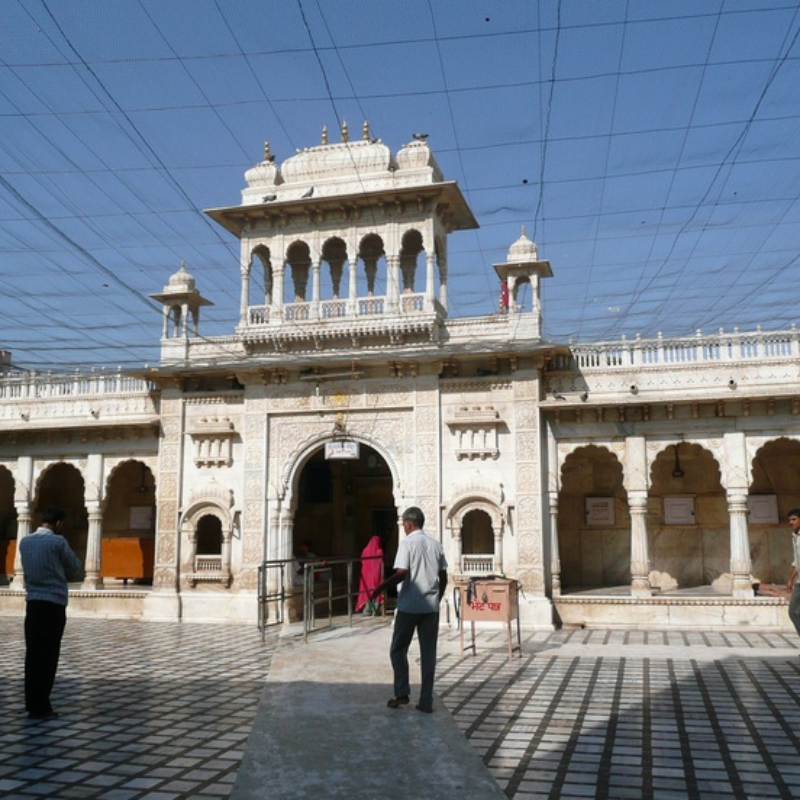
Deshnoke Deshnoke: More Than Just the World-Famous Karni Mata Rat Temple While most travelers know Deshnoke purely as the home of the world-renowned Karni Mata “Rat Temple,” this historic desert town located 30 kilometers south of Bikaner is a fascinating cultural destination in its own right.  Stepping into Deshnoke feels like walking straight into a living folk legend, where spiritual devotion, unique desert architecture, and centuries-old traditions blend seamlessly. Top Things to See & Do Inside: The Karni Mata Temple: The absolute centerpiece of the town. This stunning marble and silver shrine houses over 25,000 sacred rats (Kabbas) that are revered as the reincarnated descendants of the 14th-century mystic sage Karni Mata. Spotting one of the rare white rats here is said to bring immense good fortune. Explore the Karni Mata Panorama Museum: Located just a short distance from the main temple complex, this modern museum is a hidden gem. It uses beautiful life-sized dioramas, paintings, and statues to tell the chronological history of Karni Mata, her miracles, and the deep-rooted history of the local Charani clan. Stroll Through the Desert Bazaar: The streets surrounding the temple complex are lined with vibrant local markets. It is the perfect place to shop for authentic Rajasthani handicrafts, local sweet meats, and religious souvenirs that you won’t easily find in larger cities. Essential Traveler Tips for Visiting Deshnoke: The Best Travel Combo: Because Deshnoke is a small town, you don’t need to allocate an entire day to it. The best way to structure an itinerary is to combine a morning trip to Deshnoke with an afternoon visit to the National Research Centre on Camel or Gajner Palace back in Bikaner. How to Get There Easily: By Road: You can easily hire a private taxi or an auto-rickshaw from Bikaner for a half-day excursion. The drive along NH62 takes roughly 30 to 45 minutes. By Train: Deshnoke has its own small railway station with regular local trains running from Bikaner Junction, making it incredibly cheap and accessible for budget backpackers. The “Thick Socks” Pro-Tip: Remember, you must remove your shoes before entering the main temple. If you are squeamish about walking barefoot around thousands of scurrying rats, bring an old pair of thick socks to wear inside the complex and discard them immediately afterward. View Nearby Destinations All Events Destination Ajmer Sharif Dargah Kolayat Deshnoke Saheliyon-ki-Bari Jag Mandir Shilpgram Load More End of Content.

Intricate red sandstone carvings on the facade of Rampuria Haveli in Bikaner
Destination

Rampuria Haveli

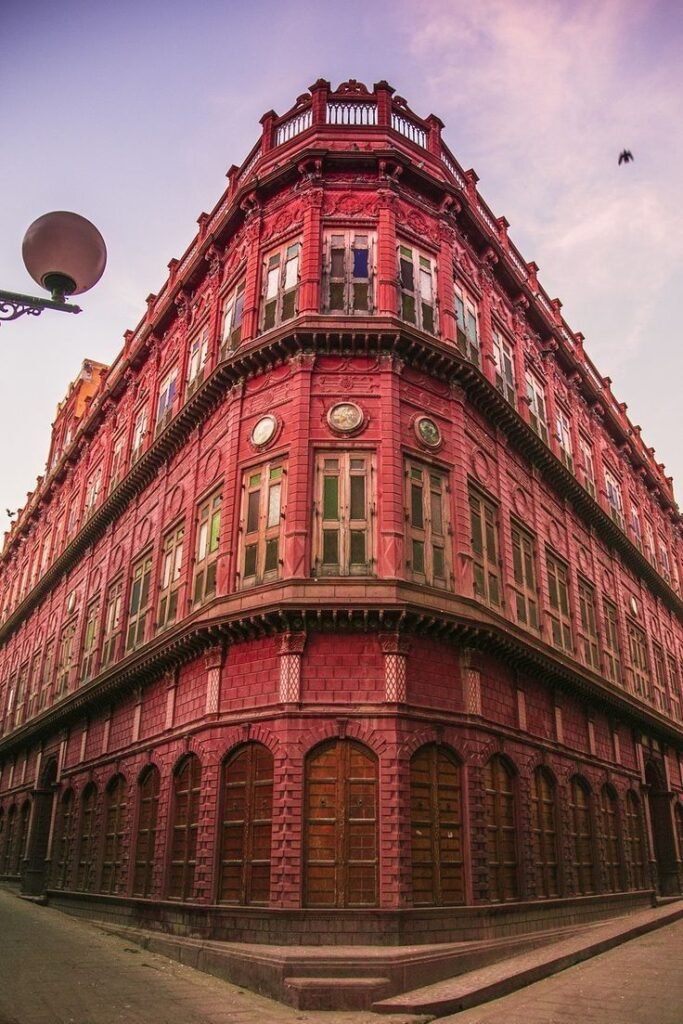
Rampuria Haveli Rampuria Haveli: The Red Sandstone Masterpiece of Bikaner’s Old City If you want to experience the absolute pinnacle of Rajasthani street architecture, Rampuria Haveli is a destination you cannot afford to skip on your visit. Located deep within the narrow, maze-like alleyways of Bikaner’s old city, this jaw-dropping cluster of merchant mansions is often called “the pride of Bikaner”—and for good reason. Unlike massive royal forts that sit separated from the public, these magnificent Havelis (traditional Indian mansions) stand right on the street side, offering an up-close look at the incredible wealth and artistic taste of Bikaner’s 15th-century merchant class. A Symphony in Red Sandstone Built primarily during the 19th century by the wealthy Rampuria merchant family, this architectural marvel is constructed entirely out of Dulmera red sandstone. The design is a breathtaking fusion of traditional Rajput architecture, ornate Mughal flourishes, and elegant Victorian colonial influences. As you stand in front of the main structure, the sheer scale of the hand-carved details will blow your mind. The building features hundreds of intricate jharokhas (stone-latticed balconies), delicate leaf motifs, geometric window screens, and grand wooden doors that have stood the test of time. Top Things to See & Do Inside: Photograph the Iconic Corner Angle: The most famous shot of Rampuria Haveli is from the narrow street corner where the building dramatically curves. Arrive during the golden hour to see the red sandstone literally glow against the blue sky. Explore the Merchant Quarter (Daddhon Ka Mohalla): Rampuria is just the crown jewel. The entire surrounding neighborhood is filled with hundreds of other historic Havelis (like the Bachhawat Havelis), each featuring unique carvings, fading frescoes, and vintage charm. Admire the Fusion Art: Look closely at the upper windows and balconies. You will find a fascinating mix of traditional Indian motifs alongside European-style glass work and colonial-era pillar designs. Essential Traveler Tips for Your Visit: It’s a Living Street (No Entry Fee): Because the Rampuria Havelis are located on public streets, there is absolutely no entry fee and no formal operating hours. You can simply walk up and admire the exterior architecture at any time. Most Interiors are Private Property: Keep in mind that while some parts of these Havelis have been converted into boutique heritage stays or offices, many remain private residential properties. Be respectful and stick to exploring the gorgeous exteriors unless you have explicit permission to enter. Ditch the Car (Pro Travel Tip): The alleyways of Bikaner’s old city are incredibly narrow, crowded, and completely inaccessible to cars or large tourist vans. The absolute best way to visit is to hire a local auto-rickshaw or simply enjoy a walking tour through the markets. Best Time for Photography: Visit early in the morning (between 7:00 AM and 9:00 AM). The streets are beautifully quiet, the lighting is soft, and you can photograph the architecture without traffic or heavy crowds blocking your view. View Nearby Destinations All Events Destination Ajmer Sharif Dargah Kolayat Deshnoke Rampuria Haveli Saheliyon-ki-Bari Jag Mandir Load More End of Content.

Gajner Palace
Destination

Gajner Palace

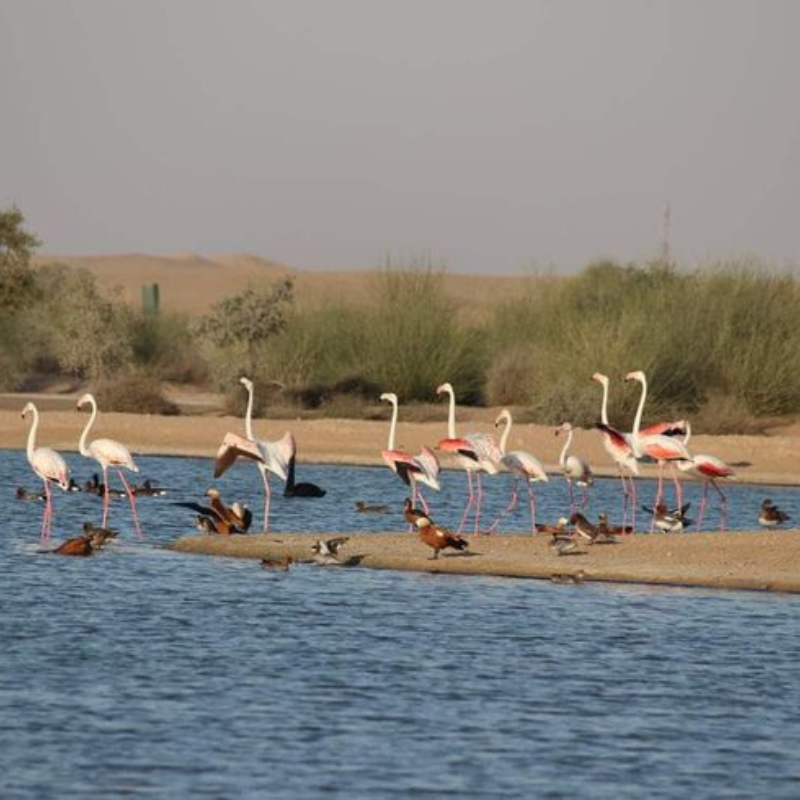
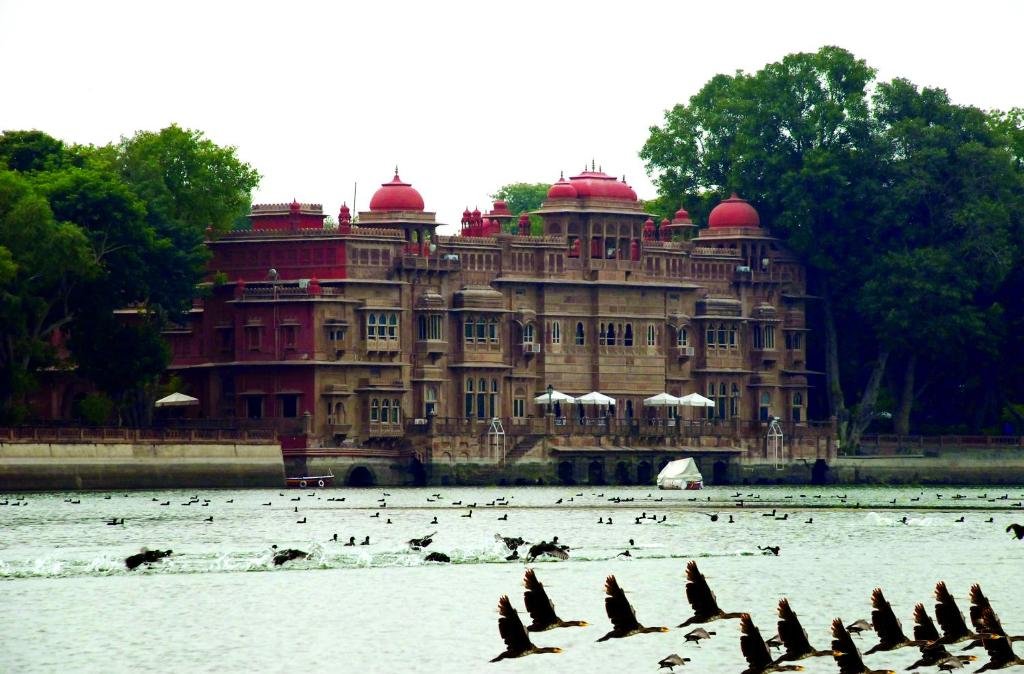
Gajner Palace Gajner Palace If you are looking for a tranquil escape from the bustling desert markets, Gajner Palace is the ultimate hidden gem to visit on your tour. Situated roughly 30 kilometers from Bikaner city center, this breathtaking heritage property stands on the embankments of a stunning, pristine lake, offering a stark and beautiful contrast to the surrounding Thar Desert. Built by Maharaja Ganga Singh of Bikaner, the palace originally served as a private summer resort and royal hunting lodge. It played host to high-profile historical dignitaries, including British Viceroys and global royalty, who gathered here for legendary imperial shoots. A Hunting Lodge Turned Heritage Retreat Crafted entirely out of the region’s signature red sandstone, Gajner Palace is an architectural jewel surrounded by a dense, sprawling forest reserve. Today, much like Lalgarh Palace, it operates as a world-class luxury heritage hotel managed by HRH Group of Hotels. The property retains its authentic, old-world imperial charm, featuring intricately carved pillars, jali-work screens, expansive open terraces, and vintage historical artifacts that invite you to step directly into Bikaner’s royal past.   Top Things to See & Do Inside: Explore the Gajner Wildlife Sanctuary: The surrounding woods are home to an array of regional wildlife. You can spot roaming herds of blackbucks, chinkaras (Indian gazelles), nilgai, wild boars, and desert foxes moving naturally through the foliage. Go Birdwatching by the Lake: During the winter months, Gajner Lake transforms into a lively sanctuary for thousands of migratory birds. Keep your eyes peeled for the rare imperial sandgrouse, waterfowls, and flocks of demoiselle cranes. Take a Solar Boat Ride: To truly appreciate the palace architecture, hop onto a peaceful boat ride across the lake. Catching the sunset reflecting off the red sandstone walls from the water is an absolute must-do for photography enthusiasts. Stroll the Imperial Lawns: Walk under the shade of ancient banyan trees and explore the sprawling courtyards that once echoed with the footsteps of visiting kings and imperial guests. Essential Traveler Tips for Your Visit: Day Visitors vs. Hotel Guests: While the palace is a functioning luxury hotel, day travelers are welcome to explore the grounds. There is a nominal cover charge/entry fee for day visitors (usually around ₹250–₹500), which can often be redeemed against food and beverages at their lakeside restaurant. Best Time to Visit: Plan your visit between October and March. The winter daytime temperatures are crisp and pleasant, making it perfect for both wildlife spotting and outdoor photography. Timing the Trip: It takes about 45 minutes to drive to Gajner from Bikaner. It makes for a wonderful afternoon day-trip option immediately following a morning visit to the nearby Karni Mata Temple or Junagarh Fort. View Nearby Destinations All Events Destination Savitri Temple Brahma Temple Pushkar Lake Adhai Din Ka Jhonpra Ana Sagar Lake Ajmer Sharif Dargah Load More End of Content.

National Research Centre on Camel
Destination

National Research Centre on Camel

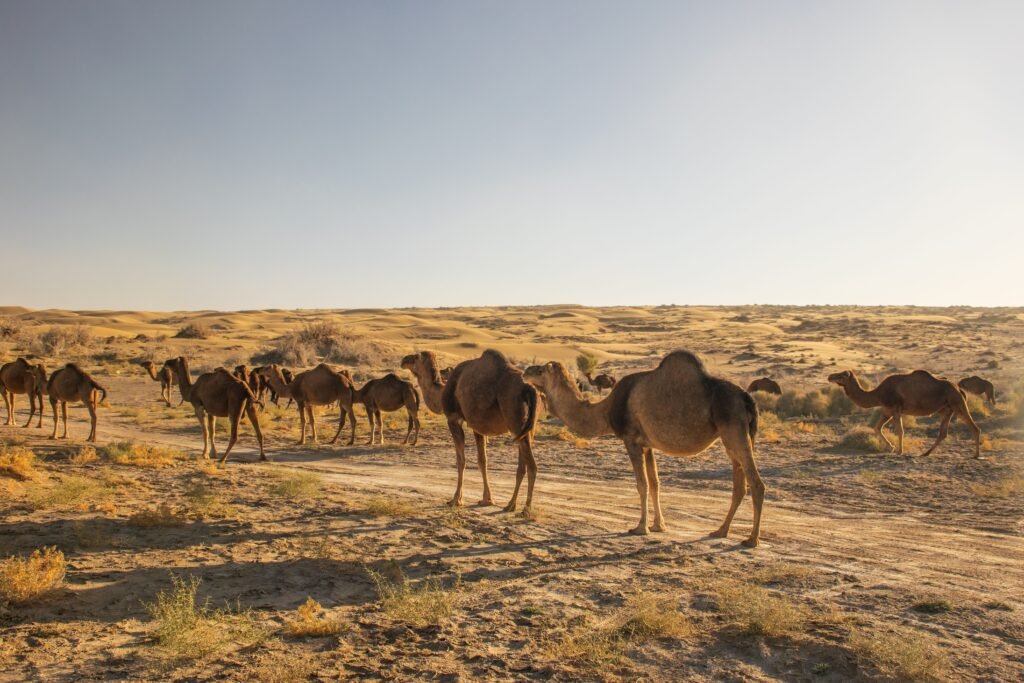
National Research Centre on Camel Explore Asia’s Ultimate Camel Sanctuary in Bikaner If you are traveling through Bikaner and want a break from standard forts and palaces, the National Research Centre on Camel (NRCC) offers a truly unique, immersive experience. Known across the globe as Asia’s largest camel breeding and research farm, this vibrant government-managed facility is home to hundreds of camels across diverse desert breeds. What makes a visit here so memorable isn’t just watching these magnificent “ships of the desert” up close—it is the rare chance to sample incredibly unique dairy delicacies, explore an educational camel museum, and see how these resilient animals are protected. An Eco-Tourism Hotspot in the Thar Desert Sprawling across a massive landscape just 10 kilometers outside Bikaner city center, the NRCC acts as a major hub for scientific research, breed preservation, and genetic improvement. As you wander around the spacious open enclosures during the afternoon, you can witness different Indian camel breeds—including the Bikaneri, the sleek Jaisalmeri, and the sturdy Kachchhi variants. If you are lucky enough to visit during calving season, you will even spot adorable baby and adult camels running around the nursery enclosures! Top Things to See & Do Inside: Visit the Camel Milk Parlour: This is a crowd favorite! Treat your tastebuds to fresh, highly nutritious camel milk delicacies. You can try rich camel-milk ice cream (available in flavors like chocolate and vanilla), refreshing hot and cold kulfi, premium camel milk tea, and artisanal sweets. Explore the Camel Museum: Dive deep into the history and biology of these desert animals. The small on-site museum displays historical camel leather artifacts, traditional riding saddles, delicate hair art designs, and educational charts highlighting the medicinal benefits of camel milk. Watch the Evening Return Herd: Try to time your visit for the late afternoon. Watching hundreds of camels walk back into their main pens simultaneously as the desert sun begins to dip is an incredible sight and perfect for photography. Shop for Authentic Souvenirs: The local gift shop features unique products made entirely from camel bone, soft wool textiles, and genuine leather goods crafted carefully by local artisans. Essential Traveler Tips for Your Visit: Timings & Best Hours: The center is open daily from 12:00 PM to 6:00 PM. It is highly recommended to visit around 3:00 PM to 4:30 PM, which is when the main herds return from their desert grazing grounds and the milk parlour is fully stocked. Entry Fees: The entry ticket is highly budget-friendly, typically costing around ₹50 for domestic travelers and ₹200 for international tourists. Photography fees are nominal but separate if you plan to bring professional cameras. Beating the Desert Sun: Because the vast enclosures are wide open to the sky, there is very little natural shade. Make sure to wear a wide hat, carry sunglasses, and bring a bottle of water to stay comfortable while walking between the pens. View Nearby Destinations All Events Destination National Research Centre on Camel Saheliyon-ki-Bari Jag Mandir Shilpgram Jaigarh Fort Nathmal Ki Haveli Load More End of Content.

Lalgarh Palace
Destination

Lalgarh Palace

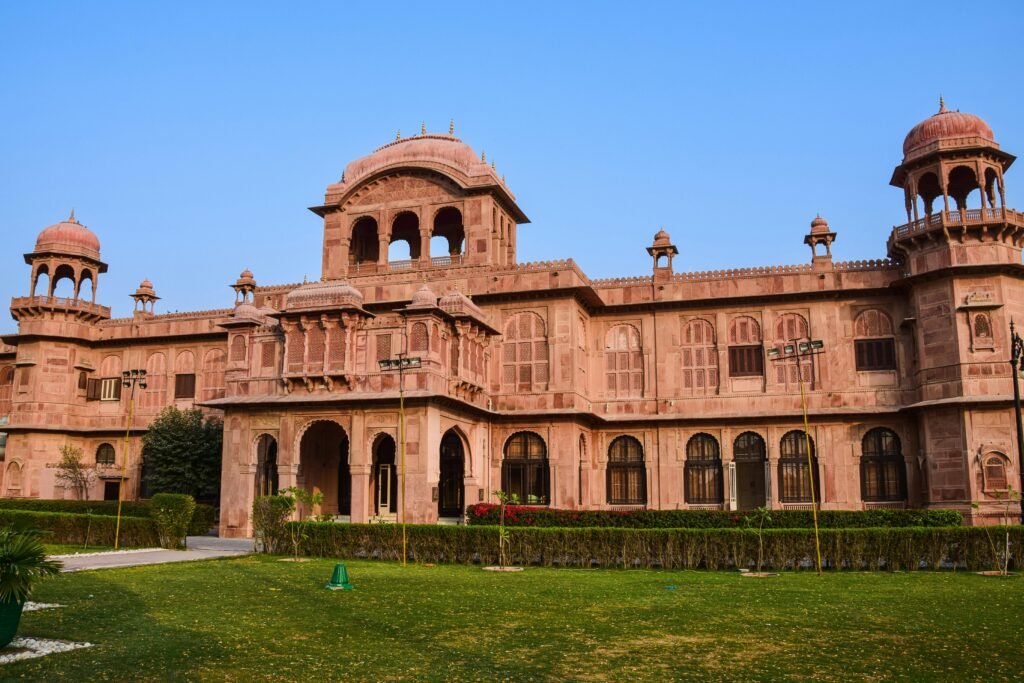
Lalgarh Palace Lalgarh Palace: Step into Bikaner’s Red Sandstone Royal If you want to experience the true grandeur of Rajasthan’s royalty without the overwhelming tourist crowds of larger cities, Lalgarh Palace in Bikaner is your perfect destination. Built between 1902 and 1926 by Maharaja Ganga Singh in memory of his father, Maharaja Lall Singh, this palace is a striking example of sheer architectural brilliance. What makes this palace a must-visit is its unique Indo-Saracenic architecture. It seamlessly blends delicate Rajput carvings, grand Mughal domes, and elegant British colonial layout elements—all crafted from the region’s signature vibrant red sandstone. A Living Heritage Palace Today, Lalgarh Palace isn’t just a static monument freeze-framed in history. It is divided into three distinct sections: one part remains the private home of the Bikaner royal family, another has been converted into a world-class heritage luxury hotel, and the third houses the fascinating Sadul Museum. As you walk through the property, you are greeted by manicured lawns where peacocks roam freely, intricate jaali (stone lattice) work balconies, and sprawling courtyards that make you feel like an esteemed royal guest. Top Things to See & Do Inside: Visit the Sadul Museum: Located on the first floor, this museum showcases a rare collection of royal artifacts, vintage hunting trophies, personal photographs of the Maharajas, and historic firearms. Admire the World’s Fourth Largest Private Library: The palace houses the incredible Anup Sanskrit Library, containing an invaluable collection of ancient Sanskrit manuscripts, charts, and royal decrees. Experience Royal Hospitality: Even if you aren’t staying overnight at the luxury heritage hotel property, you can book a royal high tea or dinner in their grand dining hall to experience classic Rajasthani hospitality. Photograph the Intricate Jali Work: The craftsmanship on the red sandstone pillars and overhangs is exceptionally detailed, catching the desert sunlight beautifully during the golden hour. Essential Traveler Tips for Your Visit: Timings & Entry Fees: The Sadul Museum is open from 10:00 AM to 5:00 PM (closed on Sundays). The entry ticket is highly nominal, typically around ₹20 for Indian tourists and ₹100 for international visitors. The Heritage Hotel Loophole: To explore the grandest courtyards and corridors of the palace that are technically part of the hotel wing, consider stopping by their indoor restaurant for a quick lunch or refreshing beverage. Best Time to Visit: Plan your trip between October and March. The pleasant winter weather makes walking through the expansive lawns and stone corridors highly enjoyable. View Nearby Destinations All Events Destination Saheliyon-ki-Bari Jag Mandir Shilpgram Jaigarh Fort Nathmal Ki Haveli Bada Bagh Load More End of Content.

Thousands of sacred protected rats inside the Karni Mata Temple in Deshnoke
Destination

Karni Mata Temple

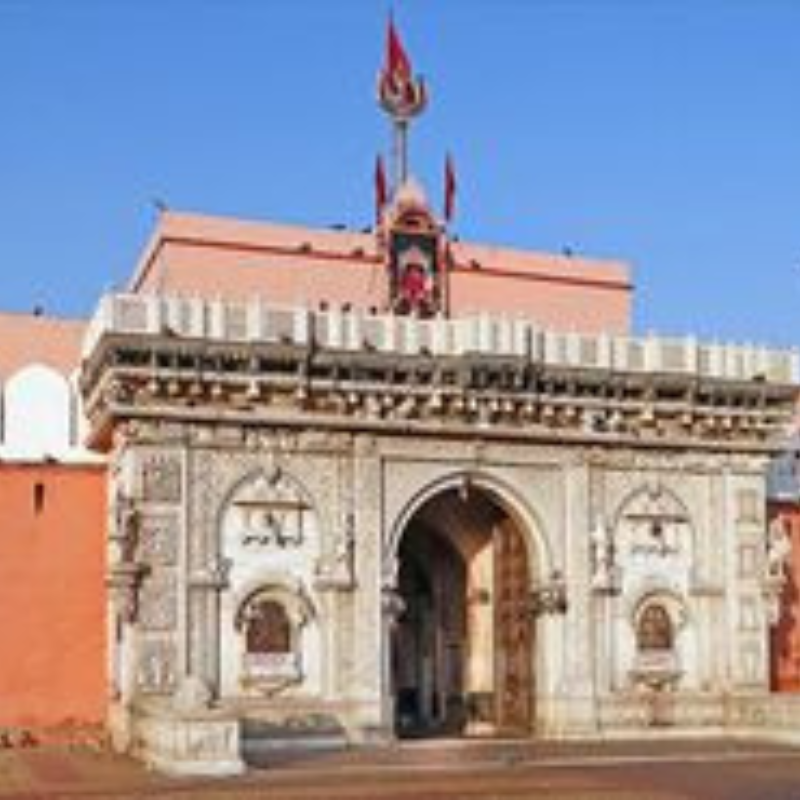
Karni Mata Temple Karni Mata Temple: Exploring the Mystical “Rat Temple” of Rajasthan Tucked away in the quiet desert town of Deshnoke, about 30 kilometers south of Bikaner, lies one of the world’s most extraordinary, intriguing, and unusual spiritual landmarks: the Karni Mata Temple. Globally famous as the “Rat Temple of India,” this sacred 600-year-old shrine challenges the boundaries of conventional travel. But what makes this stunning marble and silver structural marvel truly mind-blowing isn’t just its grand facade—it’s the fact that it is home to over 25,000 revered local residents: sacred rats. A Safe Haven for the Sacred “Kabbas” Unlike anywhere else in the world where these creatures are seen as pests, the rats here (affectionately called Kabbas) are treated like absolute royalty. Swarms of them scurry freely across the hallowed marble floors, drink milk from giant metal bowls, and nibble on sweet offerings brought by devotees for them. According to deep-rooted local folklore, the 14th-century mystic warrior sage Karni Mata was an incarnation of Goddess Durga. When her stepson tragically drowned, she bargained with Yama (the God of Death) to restore his life. Yama decreed that her male descendants would never face death; instead, they would be temporarily reincarnated as sacred rats in her temple before being reborn back into her clan. Because of this divine connection, pilgrims consider it a massive blessing if a rat runs over their feet or shares a bite of their prasad. Top Things to See & Do Inside: Spot the Rare White Rat: Out of the 25,000 black rats, there are only a handful of completely white ones. Spotting a white rat is considered an incredibly auspicious sign that brings immense good luck and divine blessings. Marvel at the Ornate Silver Gates: Take a moment at the grand entrance to admire the solid silver doors gifted by the Maharaja Ganga Singh of Bikaner. The panels feature intricate, hand-carved details of regional folklore and protective lions. Observe the Milk-Feeding Ritual: Head to the main courtyard to watch the unique sight of hundreds of rats gathered harmoniously around massive, shallow silver plates overflowing with fresh milk and grain. Essential Traveler Tips for a Smooth Visit: The Shoe Dilemma (Pro-Tip): Like all Hindu shrines, you must remove your footwear before entering. If the thought of walking barefoot where thousands of rats roam makes you nervous, bring a pair of thick socks that you are completely comfortable throwing away right after your visit. Watch Your Step: Be incredibly mindful of where you place your feet. Harming or accidentally stepping on a Kabba is considered a serious transgression, and tradition requires replacing it with a solid silver or gold rat idol. Timings & Entry: The temple doors open extraordinarily early from 4:00 AM to 10:00 PM daily. There is no entry fee to explore the temple, though there is a nominal camera/phone fee (around ₹30) if you wish to take photos. How to Reach: It is an easy 30 to 45-minute drive from Bikaner city center. You can easily book a local auto-rickshaw, taxi, or take a budget-friendly local bus directly to Deshnoke. View Nearby Destinations All Events Destination Karni Mata Temple Saheliyon-ki-Bari Jag Mandir Shilpgram Jaigarh Fort Nathmal Ki Haveli Load More End of Content.

Scroll to Top