Destination

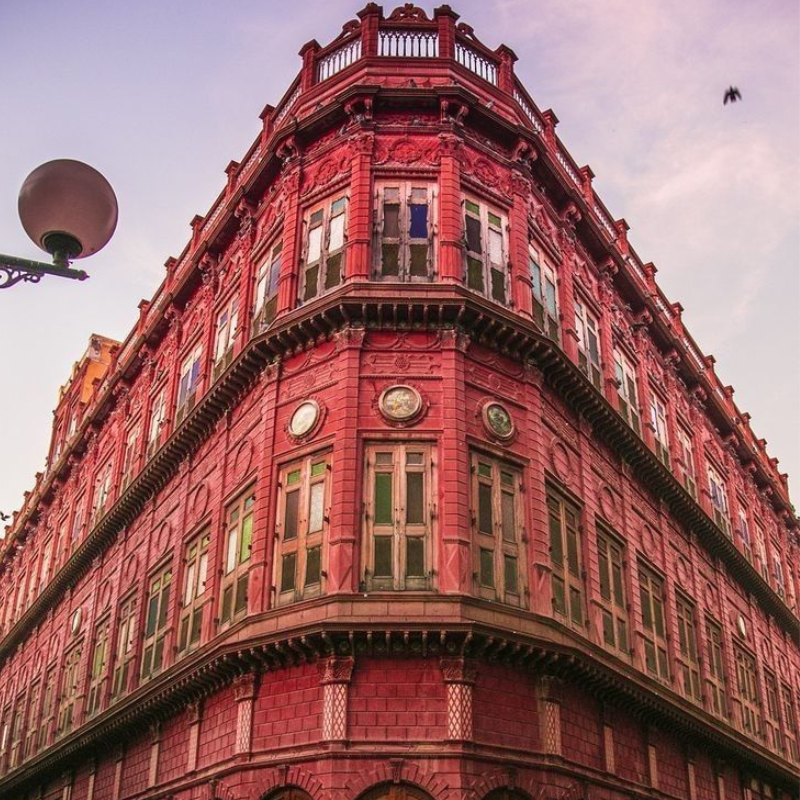
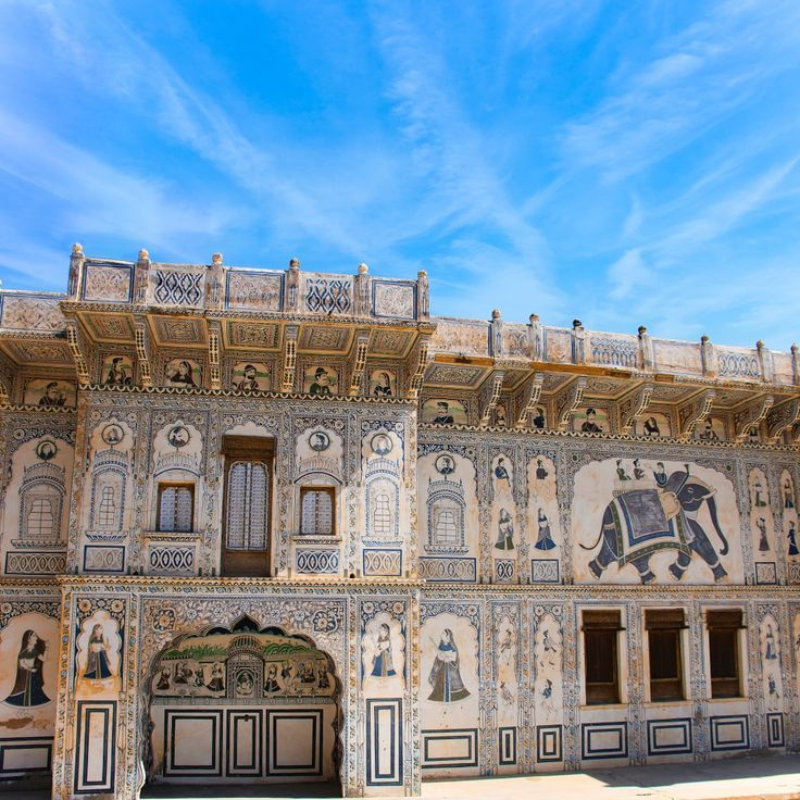
Intricate murals and the facade of Nadine Prince Haveli in Fatehpur Rajasthan
Destination

Shekhawati

Shekhawati Best Places to Visit in Shekhawati: The Ultimate Guide to Rajasthan’s Open Air Art Gallery Planning a trip to Shekhawati? Explore Rajasthan’s open air art gallery with our 2026 guide. We cover the finest painted havelis, heritage towns, and expert travel tips for an unforgettable journey through the frescoed heartland of northern Rajasthan. Spread across the sun-baked plains of northern Rajasthan between Jaipur and Bikaner, Shekhawati is one of the most extraordinary and least visited heritage regions in all of India. Known as the “Open Air Art Gallery of Rajasthan,” this semi-arid landscape is home to hundreds of elaborately painted merchant havelis — grand townhouses whose outer and inner walls are covered from floor to ceiling in breathtaking frescoes depicting mythological scenes, royal processions, European inventions, and the daily life of a civilization at the height of its prosperity. Built between the 17th and early 20th centuries by the wealthy Marwari merchant families — the Birlas, Poddars, Goenkas, Ruias, and Singhanias — whose trading empires stretched across India and beyond, these painted havelis represent one of the most remarkable concentrations of decorative art found anywhere in the world. Unlike the more heavily touristed destinations of Rajasthan, Shekhawati remains largely off the mainstream tourist circuit — its towns unhurried, its havelis often half-forgotten, and its atmosphere one of quiet, faded grandeur that rewards the curious and the patient traveler above all others. Use this 2026 guide to navigate the region’s most important towns, finest frescoes, and essential travel logistics with confidence and depth. Enquire Now Shekhawati Gateway: Key Towns at a Glance Top Shekhawati Towns & Heritage Highlights 1. Mandawa The Vibe: The most visited and best-serviced town in Shekhawati — a compact, atmospheric fortified settlement dominated by the impressive Mandawa Fort (now a heritage hotel) and surrounded by some of the finest and most accessible painted havelis in the entire region. Mandawa offers the ideal combination of excellent heritage accommodation, a manageable old town layout, and a high concentration of remarkable frescoes within easy walking distance of one another — making it the natural base for any first-time Shekhawati visit. The finest havelis in Mandawa include the Hanuman Prasad Goenka Haveli, whose outer walls display frescoes of Krishna’s life alongside paintings of early European automobiles and a biplane — a collision of the sacred and the modern that is quintessentially Shekhawati. The Gulab Rai Ladia Haveli features extraordinarily detailed mythological scenes and the Double Haveli of the Saraf family is one of the grandest architectural statements in the town. The Murmuria Haveli contains some of the most unusual frescoes in Shekhawati — including a much-discussed painting of a European woman that caused considerable local controversy when it was painted. 2. Nawalgarh The Vibe: The cultural and artistic capital of Shekhawati — a larger, more bustling town than Mandawa with the greatest total number and variety of painted havelis of any single town in the region. Nawalgarh is home to the remarkable Poddar Haveli Museum — one of the few havelis in Shekhawati that has been professionally restored, opened to the public as a museum, and properly interpreted with signage and guides — making it the single best introduction to Shekhawati fresco art for first-time visitors. The Aath (Eight) Haveli complex, the Bhagton Ki Choti Haveli, the Kedarnath Kesardev Chamaria Haveli, and the extraordinary Morarka Haveli are among the finest examples of the fresco tradition in Nawalgarh. The town’s central bazaar area is also one of the most authentic and photogenic market streets in Shekhawati — lively, unhurried, and largely untouched by tourism. The Roop Niwas Kothi — a heritage property on the edge of Nawalgarh — offers excellent accommodation and organizes horse safaris through the surrounding countryside, visiting smaller villages and rural havelis that most tourists never reach. 3. Fatehpur The Vibe: One of the oldest and most historically significant towns in Shekhawati — founded in 1451 and home to some of the earliest and most elaborate frescoes in the region. Fatehpur is less visited than Mandawa and Nawalgarh, which gives it a more authentic, undiscovered atmosphere where the painted havelis exist as part of everyday town life rather than as curated tourist attractions. The Nadine Le Prince Haveli — purchased and painstakingly restored by a French artist over several years — is the standout attraction of Fatehpur and one of the most impressive fresco restoration projects in Rajasthan. The haveli now functions as a cultural centre, art gallery, and guesthouse, and offers one of the most intimate and educational introductions to Shekhawati fresco art available anywhere in the region. The Singhania Haveli and the Devra Haveli are also exceptional and largely uncrowded. 4. Jhunjhunu The Vibe: The administrative headquarters of the Jhunjhunu district and the largest town in Shekhawati — a busy, working city with a rich heritage layer beneath its modern surface. Jhunjhunu is home to the spectacular Rani Sati Temple — one of the most visited and financially prosperous temples in Rajasthan, dedicated to a legendary merchant’s wife and drawing enormous crowds of devotees particularly during the annual fair. The Khetri Mahal — a magnificent and structurally ingenious palace built without doors and ventilated entirely through its architectural design — is one of the most underrated heritage buildings in all of Shekhawati. The Modi Haveli, the Tibrewala Haveli, and the Bisau Haveli contain excellent frescoes, while the Jhunjhunu fort and the surrounding old city area reward aimless exploration on foot. The town’s larger size and local business activity give it an energy quite different from the quieter heritage towns of Mandawa and Nawalgarh. 5. Dundlod The Vibe: A small, serene, and exceptionally well-preserved village centred around the magnificent Dundlod Fort — one of the finest and most beautifully maintained heritage forts in Shekhawati, dating back to 1750 and now operating as a heritage hotel. Dundlod is the premier destination in Shekhawati for equestrian enthusiasts — it is the home of the famous Dundlod horse safaris, which offer multi-day rides through the Shekhawati countryside on Marwari
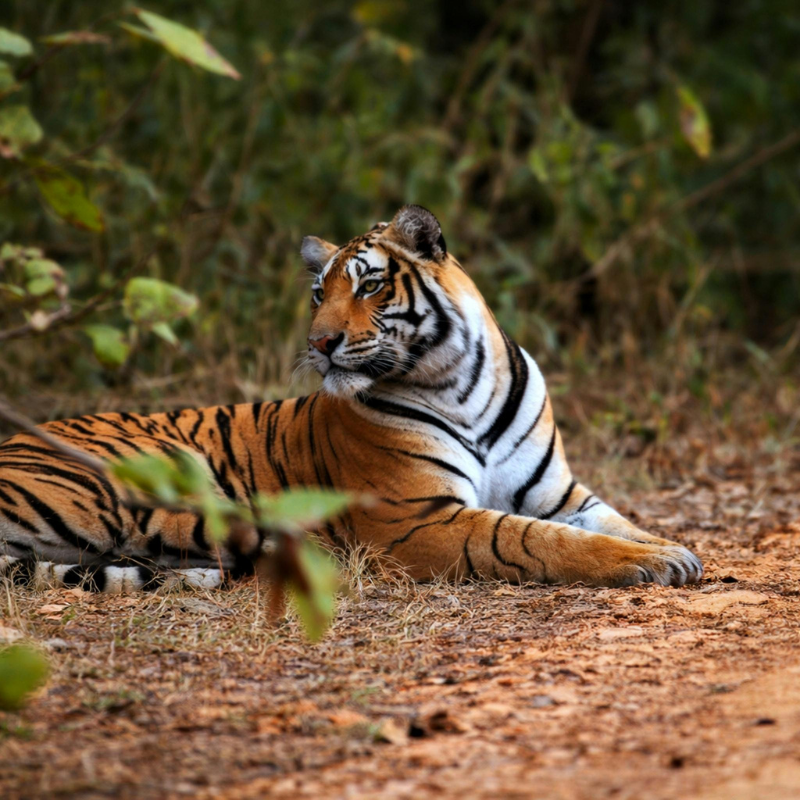
Sprawling forest landscapes and ruins at Sariska Tiger Reserve Rajasthan
Destination

Rajasthan Wildlife & National Parks

Rajasthan Wildlife & National Parks Best Wildlife & National Parks in Rajasthan (2026 Guide) | Tigers, Desert & Beyond Planning a wildlife trip to Rajasthan? Explore the best national parks and wildlife sanctuaries with our 2026 guide. We cover Ranthambore, Sariska, Keoladeo, and more — with expert safari tips for an unforgettable Indian wildlife adventure. When most travelers think of Rajasthan, they think of forts, palaces, and deserts. But Rajasthan is also one of India’s most important and rewarding wildlife destinations — home to some of the country’s most celebrated national parks, tiger reserves, bird sanctuaries, and desert wildlife ecosystems. From the legendary tigers of Ranthambore prowling ancient ruins to the extraordinary bird life of Keoladeo, and from the wolves and desert foxes of the Thar to the leopards of Sariska, Rajasthan offers a wildlife experience of remarkable depth and variety. Use this 2026 guide to plan your Rajasthan wildlife itinerary with confidence — covering the best parks, what to expect, and when to go. Enquire Now Rajasthan Wildlife Gateway: Key Parks at a Glance National Park / Sanctuary Nearest Major City Distance from Nearest City Best Time to Visit Key Wildlife Ranthambore National Park Sawai Madhopur ~14 km Oct – Jun Bengal Tiger, Leopard, Sloth Bear Sariska Tiger Reserve Alwar ~36 km Oct – Jun Bengal Tiger, Leopard, Jackal Keoladeo National Park Bharatpur ~5 km Oct – Mar Migratory Birds, Python, Deer Desert National Park Jaisalmer ~42 km Oct – Mar Great Indian Bustard, Desert Fox Mukundra Hills Tiger Reserve Kota ~50 km Oct – Jun Bengal Tiger, Sloth Bear, Crocodile Tal Chhapar Sanctuary Churu ~90 km Aug – Mar Blackbuck, Harrier, Desert Fox Mount Abu Wildlife Sanctuary Mount Abu ~8 km Oct – Jun Leopard, Sloth Bear, Wild Boar Jaisamand Wildlife Sanctuary Udaipur ~58 km Oct – Mar Leopard, Crocodile, Hyena Top Rajasthan Wildlife Destinations   1. Ranthambore National Park The Vibe: India’s most famous and most photographed tiger reserve — a dramatic 1,334 square kilometre wilderness of dry deciduous forest, rocky hills, and ancient ruins in eastern Rajasthan. Ranthambore is widely considered to offer the best chances of spotting Bengal tigers in the wild anywhere in India, owing to the tigers’ unusual habit of being active during the day and comfortable around safari vehicles. The park’s iconic backdrop — the 10th-century Ranthambore Fort rising above the forest — makes every wildlife sighting here feel cinematic and extraordinary. Ranthambore is home to approximately 70 to 80 tigers, along with leopards, sloth bears, striped hyenas, jackals, sambar deer, nilgai, and Indian crocodiles sunning themselves on the banks of Malik Talao and Padam Talao lakes. The park is divided into 10 safari zones, with Zones 1 to 5 considered the core zones offering the highest tiger sighting probability. Safari Information: Safaris run twice daily — morning and afternoon. The morning safari departs between 6:00 AM and 7:00 AM depending on the season, and the afternoon safari departs between 2:00 PM and 3:30 PM. Both open-top Gypsy (6-seat) and Canter (20-seat) vehicles are available. Gypsy safaris offer a more intimate and manoeuvrable experience and are strongly recommended over the Canter. All safari permits must be booked in advance through the official Rajasthan forest department website — last-minute permits are extremely difficult to obtain during peak season. Best Time to Visit: October to June. The park closes annually from July 1st to September 30th for the monsoon season. February to May offers the highest tiger visibility as the vegetation thins out and animals gather around water sources. Summer (April to June) is hot but often produces the most dramatic and prolonged tiger sightings. 2. Sariska Tiger Reserve The Vibe: A 866 square kilometre tiger reserve in the Aravalli Hills of Alwar district — historically significant as the first reserve in the world where tigers were successfully relocated after the local population was poached to extinction in the early 2000s. Today Sariska has a recovering tiger population of approximately 25 to 30 individuals, along with leopards, jungle cats, golden jackals, sambar, chital, and nilgai. The reserve also contains several ancient temples, ruins, and the impressive Kankwari Fort — a Mughal-era fortress deep within the jungle where Aurangzeb once imprisoned his brother Dara Shikoh. Sariska is significantly less crowded than Ranthambore, making it an excellent alternative for travelers seeking a more unhurried and authentic jungle safari experience. Its proximity to Delhi (approximately 200 km) and Jaipur (approximately 107 km) makes it a practical choice for a weekend wildlife escape. Safari Information: Safaris run twice daily in open-top Gypsy vehicles. Zone 1 (Kalighati area) is considered the best zone for tiger sightings. All permits must be booked in advance through the Rajasthan forest department. A visit to the Sariska Palace — a former royal hunting lodge now operating as a heritage hotel — makes for an atmospheric base for your safari stay. Best Time to Visit: October to June. February to May offers the best wildlife sighting conditions as the forest opens up and animals concentrate around water holes. 3. Keoladeo National Park (Bharatpur Bird Sanctuary) The Vibe: A UNESCO World Heritage Site and one of the world’s most important bird sanctuaries — a 29 square kilometre wetland and woodland ecosystem in Bharatpur that hosts an extraordinary concentration of resident and migratory bird species. At its peak during winter, Keoladeo is home to over 370 species of birds including the Siberian crane (now critically endangered and rarely sighted), painted storks, open-billed storks, greater spotted eagles, imperial eagles, Indian darters, purple herons, and dozens of species of duck and wading birds. The park is also home to pythons, sambar deer, nilgai, fishing cats, and jungle cats. Keoladeo is one of the few wildlife destinations in India where the experience is best had slowly — on foot, by bicycle, or by cycle-rickshaw along the flat, well-maintained paths that wind through the wetlands. It is a paradise for birdwatchers and wildlife photographers of every level of experience. Safari Information: Unlike most Indian wildlife parks, Keoladeo does not

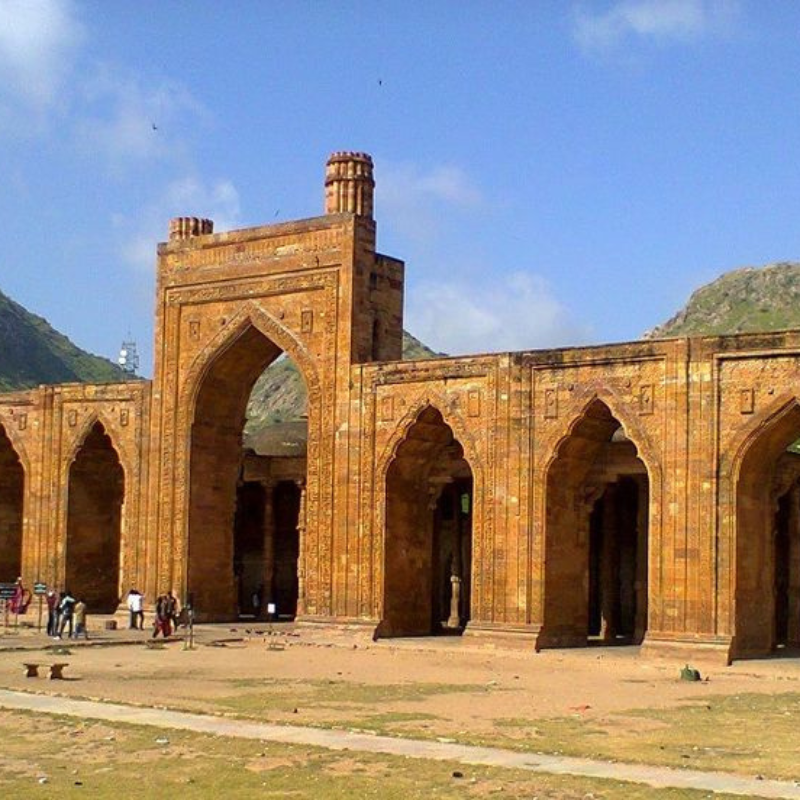
Ancient mosque architecture and arched ruins of Adhai Din Ka Jhonpra
Destination

Ajmer & Pushkar

Ajmer & Pushkar Best Places to Visit in Ajmer & Pushkar: The Ultimate Guide to Faith, Lakes & Desert Festivals Planning a trip to Ajmer and Pushkar? Explore two of Rajasthan’s most spiritually significant destinations with our 2026 guide. We cover the Dargah Sharif, Pushkar Lake, the famous Camel Fair, and expert travel tips for your pilgrimage and cultural adventure. Ajmer and Pushkar are two of the most spiritually charged and culturally distinctive destinations in all of Rajasthan. Ajmer, founded in the 7th century, is home to the Dargah Sharif of Khwaja Moinuddin Chishti — one of the most important Islamic pilgrimage sites in the world, drawing millions of devotees of every faith every year. Pushkar, just beyond the hills, is one of Hinduism’s holiest cities, built around a sacred lake said to have been created by a lotus flower dropped by Lord Brahma — and home to one of the only Brahma temples in the world. Together, these two towns offer a rare and profound dual experience of India’s great spiritual traditions set against the backdrop of the Thar Desert. Use this 2026 guide to explore both destinations with depth, context, and practical ease. Enquire Now Ajmer & Pushkar Gateway: How to Reach Both Destinations Planning your arrival? Here is how to reach the top attractions of Ajmer and Pushkar from the region’s major transit hubs. Destination Distance from Ajmer Railway Station (AII) Distance from Kishangarh Airport (KQH) Best Time to Visit Dargah Sharif (Ajmer) ~1 km ~30 km Oct – Mar Ana Sagar Lake (Ajmer) ~2 km ~31 km Early Morning / Evening Adhai Din Ka Jhonpra (Ajmer) ~1.5 km ~30 km Morning Taragarh Fort (Ajmer) ~4 km ~33 km Morning Pushkar Lake & Ghats ~14 km ~40 km Oct – Mar Brahma Temple (Pushkar) ~14 km ~40 km Early Morning Pushkar Camel Fair Ground ~15 km ~41 km Nov (Fair Season) Savitri Mata Temple (Pushkar) ~15 km ~41 km Sunrise Top Ajmer Highlights1. Dargah Sharif of Khwaja Moinuddin ChishtiThe Vibe: One of the most revered and visited Islamic shrines in the world — the dargah (tomb) of the Sufi saint Khwaja Moinuddin Chishti, who arrived in Ajmer from Persia in 1192 and spent his life serving the poor and preaching a message of love, compassion, and unity. The shrine draws an estimated three million pilgrims and visitors annually — Hindus, Muslims, Sikhs, and people of all faiths — making it one of the most genuinely inclusive and moving religious experiences in all of India. The atmosphere inside the dargah complex, filled with the sound of qawwali devotional music, the fragrance of rose petals, and the constant movement of devotees, is unlike anything else in Rajasthan. 2. Ana Sagar LakeThe Vibe: A large, serene artificial lake created in the 12th century by Anaji, the grandfather of Prithviraj Chauhan, and later beautified by the Mughal emperors Jahangir and Shah Jahan who added the elegant marble pavilions — the Daulat Bagh Baradari — that line the eastern embankment. The lake offers a peaceful and photogenic contrast to the intensity of the Dargah, with the Aravalli Hills reflected on its calm surface in the early morning. 3. Adhai Din Ka JhonpraThe Vibe: One of the oldest and most historically significant mosques in India — built in just two and a half days (adhai din) according to legend by Qutb ud-Din Aibak in 1192 on the site of a Sanskrit college, using material from demolished Hindu and Jain temples. The result is a hauntingly beautiful architectural hybrid — an Indo-Islamic structure of extraordinary elegance featuring a massive carved screen of seven arches that is considered a masterpiece of early Delhi Sultanate architecture. 4. Taragarh FortThe Vibe: One of the earliest hill forts in India, perched dramatically on a 870-metre peak of the Aravalli Hills directly above Ajmer, offering sweeping views of the city, Ana Sagar Lake, and the surrounding desert landscape. Built in the 7th century and later reinforced by successive rulers, Taragarh — meaning Star Fort — once served as a strategic military stronghold commanding the entire region. Top Pushkar Highlights5. Pushkar Lake & the GhatsThe Vibe: The sacred heart of Pushkar — a holy lake believed in Hindu tradition to have been formed when Lord Brahma dropped a lotus flower to earth, with 52 bathing ghats surrounding its banks where pilgrims come to bathe, offer prayers, and perform rituals at sunrise and sunset. The atmosphere at the ghats — particularly at Brahma Ghat and Varaha Ghat at dawn — is one of the most serene and spiritually atmospheric experiences in Rajasthan, with the sound of temple bells, the smell of incense, and the soft light reflecting off the still water creating a scene of extraordinary calm. 6. Brahma TempleThe Vibe: One of the very few temples in the world dedicated to Lord Brahma, the Hindu god of creation — and the most important of them all. Located in the heart of Pushkar, just a short walk from the lake, the temple is believed to have been built over 2,000 years ago and is a site of immense religious significance for Hindu pilgrims from across India and the world. The distinct red spire and the sacred atmosphere within make it a deeply meaningful visit regardless of one’s personal faith. 7. Pushkar Camel Fair (Pushkar Mela)The Vibe: One of the largest, most colourful, and most famous camel fairs in the world — held annually in the Hindu month of Kartik (typically November), drawing over 200,000 visitors, 50,000 camels, horses, and livestock, performers, folk musicians, traders, and pilgrims from across Rajasthan and beyond. The fair culminates on the full moon night of Kartik Purnima when thousands of pilgrims take a holy dip in Pushkar Lake — a spectacle of colour, faith, and celebration unlike anything else on the Indian subcontinent. 8. Savitri Mata TempleThe Vibe: A hilltop temple dedicated to Goddess Savitri — the first wife of Lord Brahma — perched on the Ratnagiri Hill above Pushkar and offering the most spectacular

Intricate red sandstone carvings on the facade of Rampuria Haveli in Bikaner
Destination

Bikaner

Bikaner Best Places to Visit in Bikaner: The Ultimate Guide to the Camel City Planning a trip to Bikaner? Explore the Camel City with our 2026 guide. We cover the top attractions, Junagarh Fort logistics, and expert travel tips for your authentic Rajasthan desert adventure. Rising from the northern reaches of the Thar Desert in Rajasthan, Bikaner is one of India’s most underrated and authentically preserved desert cities. Known as the “Camel City,” Bikaner was founded in 1488 by Rao Bika, a Rathore prince, and grew into a powerful trading hub on the ancient caravan routes connecting Central Asia with the Indian subcontinent. Unlike the more heavily touristed cities of Jaipur and Jodhpur, Bikaner retains a raw, unhurried character — its grand fort, ornate havelis, living camel culture, and famous culinary traditions offering a deeply rewarding experience for the traveler willing to venture a little further into the desert. Use this 2026 guide to explore Bikaner’s most iconic landmarks, hidden gems, and essential travel tips. Enquire Now Bikaner Gateway: How to Reach the Camel City Planning your arrival? Here is how to reach Bikaner’s top attractions from the city’s major transit hubs. Destination Distance from Bikaner Railway Station (BKN) Distance from Nal Airport (BKB) Best Time to Visit Junagarh Fort ~1 km ~14 km Oct – Mar Lalgarh Palace ~3 km ~16 km Oct – Mar Karni Mata Temple (Deshnok) ~30 km ~42 km Morning National Camel Research Centre ~8 km ~20 km Morning Rampuria Haveli ~1.5 km ~14 km Morning Gajner Palace & Lake ~32 km ~44 km Oct – Feb Laxminath Temple ~1 km ~13 km Morning / Evening Top Bikaner Highlights 1. Junagarh Fort The Vibe: One of the very few major forts in Rajasthan that was never conquered — Junagarh Fort is a sprawling, impeccably maintained complex of palaces, temples, and pavilions built in 1593 by Raja Rai Singh. Unlike the hilltop forts of Jodhpur and Jaipur, Junagarh sits on flat desert ground, which makes its sheer scale and architectural grandeur all the more astonishing. The interiors — decorated with lacquerwork, mirror mosaics, carved sandstone, and painted murals — are among the finest in all of Rajasthan. 2. Rampuria Haveli The Vibe: A breathtaking cluster of early 20th-century merchant havelis built by the wealthy Rampuria family, showcasing a rare and extraordinary fusion of Rajput, Mughal, and colonial European architectural styles carved entirely from the warm red-pink Dulmera sandstone unique to Bikaner. The level of detail in the carvings — from floral motifs and peacocks to European-style balconies and arched windows — is extraordinary and rivals anything found in Jaisalmer or Shekhawati. 3. Karni Mata Temple (Deshnok) The Vibe: One of the most extraordinary and unusual temple experiences in India — the Karni Mata Temple in Deshnok, 30 km from Bikaner, is home to over 25,000 rats that are considered sacred and are worshipped as the reincarnated souls of devotees of the goddess Karni Mata. Spotting a white rat among the thousands of brown ones is considered an especially auspicious blessing. It is a genuinely unique, unforgettable, and deeply fascinating cultural experience unlike anything else in Rajasthan. 4. National Camel Research Centre The Vibe: The only camel research centre of its kind in Asia — a fascinating government-run institution located 8 km from Bikaner that houses hundreds of camels of multiple breeds, conducts research into camel milk, wool, and breeding, and offers visitors an up-close experience with these extraordinary desert animals that have shaped the culture and survival of Rajasthan’s desert communities for centuries. 5. Lalgarh Palace The Vibe: A magnificent red sandstone palace built between 1896 and 1926 by Maharaja Ganga Singh in honour of his father, Maharaja Lall Singh — an outstanding example of Indo-Saracenic architecture that blends Rajput, Mughal, and European influences with exceptional skill. The palace complex includes a heritage hotel, a museum housing a remarkable collection of photographs, manuscripts, and royal memorabilia, and elaborately carved sandstone screens and colonnades throughout its grounds. 6. Gajner Palace & Lake The Vibe: A stunning royal hunting lodge and palace set on the banks of the serene Gajner Lake, approximately 32 km from Bikaner on the Jaisalmer highway. Once a private retreat of Maharaja Ganga Singh, the palace is now a heritage hotel surrounded by a wildlife sanctuary that is home to nilgai, blackbuck, wild boar, and a remarkable variety of migratory birds — including the imperial sand grouse that once attracted hunters from across the British Empire. Top Bikaner Highlights Junagarh Fort A formidable fort with impressive courtyards and mirrored halls. National Research Centre on Camel One of the few camel farms/research centers in the world. Deshnoke The town where the Karni Mata Temple is located. Karni Mata Temple Famous for being home to thousands of sacred, protected rats. Gajner Palace A former hunting lodge situated beside a tranquil lake. Kolayat A sacred site with a temple and a lake, often a stop for pilgrims. Lalgarh Palace A red sandstone palace that showcases exquisite Bikaner architecture. Rampuria Haveli Known as the “pride of Bikaner” for its intricate red sandstone art. Frequently Asked Questions (FAQ) How many days do I need in Bikaner? 2 days is sufficient to cover the main attractions comfortably. Spend Day 1 at Junagarh Fort, Rampuria Haveli, and the old city lanes. Use Day 2 for a morning visit to the Karni Mata Temple in Deshnok and the National Camel Research Centre, followed by an afternoon at Lalgarh Palace. If time allows, add a half-day trip to Gajner Lake before departing. What is the best time to visit Bikaner? October to February is the best time to visit. The weather is dry and cool with pleasant daytime temperatures between 10°C and 25°C. The Bikaner Camel Festival, held annually in January, is one of the most vibrant and photogenic cultural events in Rajasthan and a compelling reason to time your visit accordingly. Avoid March to June when desert temperatures regularly exceed 40°C. What is Bikaner famous for food? Bikaner has an extraordinarily

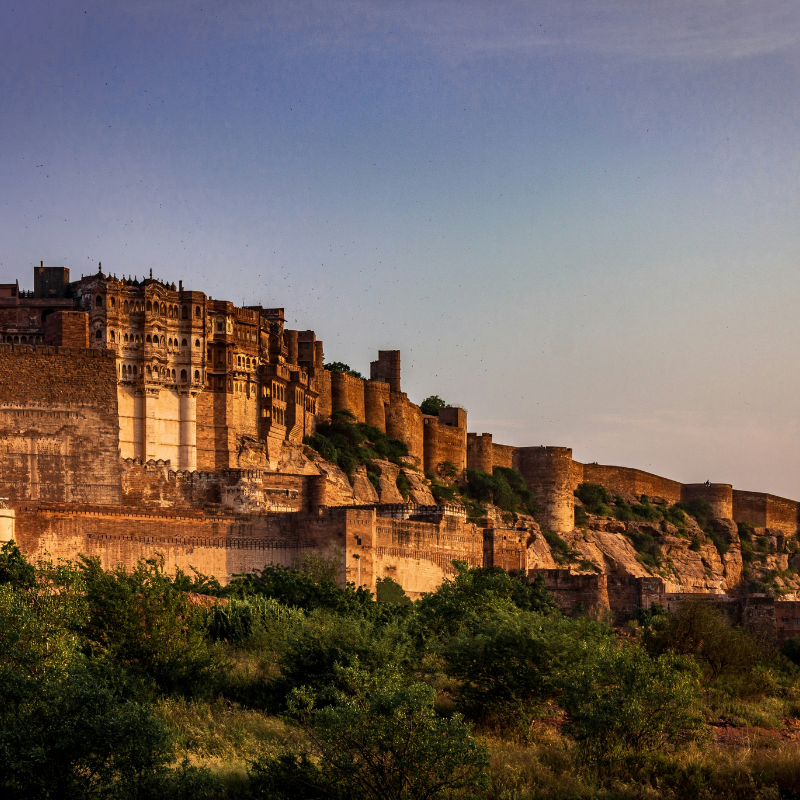
The massive Mehrangarh Fort perched on a perpendicular cliff in Jodhpur
Destination

Jodhpur

Jodhpur Best Places to Visit in Jodhpur (2026 Guide) | The Blue City Planning a trip to Jodhpur? Explore the Blue City with our 2026 guide. We cover the top attractions, Mehrangarh Fort logistics, and expert travel tips for your royal Rajasthan desert adventure. Standing at the edge of the Thar Desert in western Rajasthan, Jodhpur is one of India’s most visually arresting cities. Known as the “Blue City” for the indigo-washed houses that cascade down the hillside beneath its mighty fort, Jodhpur offers a raw, dramatic, and deeply authentic Rajasthan experience. From the thundering ramparts of Mehrangarh Fort to the tranquil blue lanes of the old city, every corner of Jodhpur tells a story of Rajput pride, military power, and centuries of desert culture. Use this 2026 guide to explore Jodhpur’s most iconic landmarks, hidden viewpoints, and essential travel tips. Enquire Now Jodhpur Gateway: How to Reach the Blue City Planning your arrival? Here is how to reach Jodhpur’s top attractions from the city’s major transit hubs. Destination Distance from Jodhpur Railway Station (JU) Distance from Jodhpur Airport (JDH) Best Time to Visit Mehrangarh Fort ~2 km ~7 km Early Morning / Sunset Jaswant Thada ~2.5 km ~7.5 km Morning Clock Tower & Sardar Market ~2 km ~7 km Evening Umaid Bhawan Palace ~4 km ~3 km Oct – Mar Mandore Gardens ~9 km ~14 km Morning Rao Jodha Desert Rock Park ~2 km ~7 km Early Morning Balsamand Lake ~7 km ~12 km Sunset Top Jodhpur Highlights Mehrangarh Fort One of India’s most imposing forts, perched on a perpendicular cliff. Clock Tower – Ghanta Ghar The iconic central clock tower of the city. Kaylana Lake An artificial lake and popular picnic spot with sunset views. Umaid Bhawan Palace A magnificent royal residence that is part museum, part luxury hotel. Toorji Ka Jhalra A stunning, deep stepwell restored to showcase ancient stonework. Balsamand Lake A scenic lakefront garden and palace retreat. Jaswant Thada A white marble memorial known as the “Taj Mahal of Marwar.” Mandore Gardens The ancestral capital of Marwar, filled with cenotaphs and temples. Rao Jodha Desert Rock Park An ecological garden showcasing Thar Desert flora. Frequently Asked Questions (FAQ) How many days do I need in Jodhpur? 2 to 3 days is ideal. Spend Day 1 at Mehrangarh Fort, Jaswant Thada, and the blue city lanes. Use Day 2 for Umaid Bhawan Palace, Sardar Market, and the Clock Tower. If you have a third day, take a half-day trip to Mandore Gardens and Balsamand Lake before continuing your Rajasthan journey toward Jaisalmer or Udaipur. Is Jodhpur safe for solo travelers? Yes, Jodhpur is very tourist-friendly and generally safe for solo travelers including women. The main tourist areas around Mehrangarh Fort and the old city are well-frequented and monitored. As with any busy city, stay alert in crowded markets and use pre-booked or app-based cabs after dark rather than unmarked auto-rickshaws. What is the best time to visit Jodhpur? October to March is the best time to visit. The weather is dry, sunny, and pleasant with temperatures between 15°C and 28°C — ideal for exploring the fort and walking the old city lanes. April to June brings intense desert heat regularly exceeding 42°C. The monsoon (July to September) brings occasional relief but also high humidity. Tours & Packages Rajasthan Tour: 10 Nights Rajasthan Tour: 10 Nights Itinerary Day 1 Pick up at jaipur and stay Day 2 Jaipur sightseeing, City Palace,… Find More Jodhpur, Jaisalmer, Bikaner, Chittorgarh Tour Package: 5 Nights Jodhpur Jaisalmer Bikaner Chittorgarh: 5 Nights Itinerary Day 1 Pick up at Bikaner; visit the Karni Maa Temple, the… Find More Rajasthan Mewar Tour Package: 6-nights Rajasthan Mewar Tour Package: 6 Nights Itinerary Day 1 Pick up at Jaipur, visit the City Palace, Hawa Mahal,… Find More

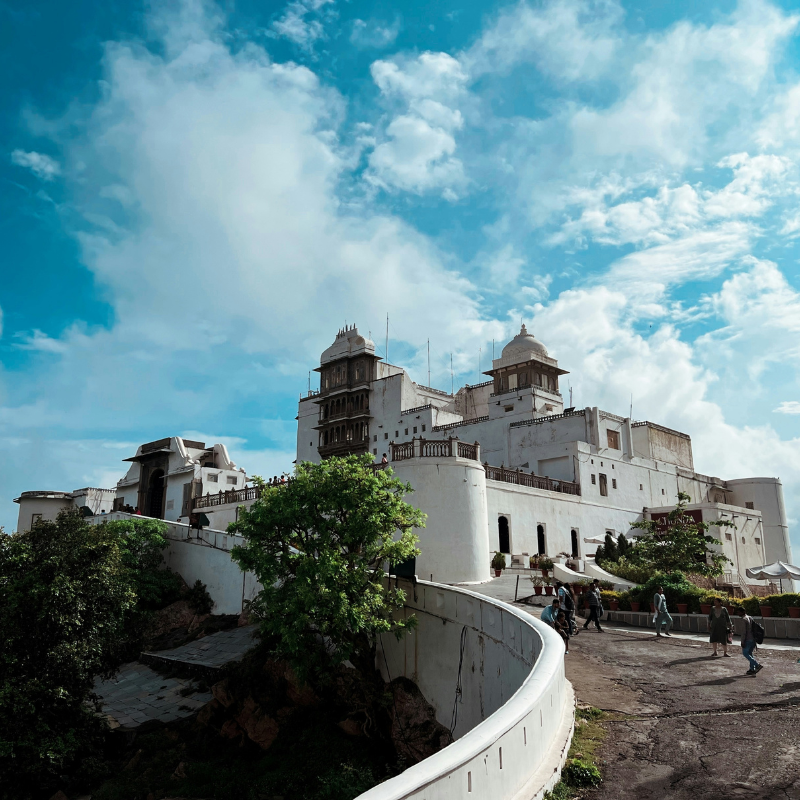
The white Monsoon Palace perched on a hill overlooking Udaipur lakes
Destination

Udaipur

Udaipur Best Places to Visit in Udaipur: The Ultimate Guide to the City of Lakes Planning a trip to Udaipur? Explore the City of Lakes with our 2026 guide. We cover the top attractions, Lake Pichola logistics, and expert travel tips for your romantic Rajasthan adventure. Nestled among the Aravalli Hills and shimmering lakes of southern Rajasthan, Udaipur is widely regarded as one of the most romantic and beautiful cities in all of India. Known as the “City of Lakes,” this regal destination offers a spellbinding mix of marble palaces rising from still water, narrow cobblestone lanes lined with art galleries, and a warmth of culture that few cities in the world can match. Use this 2026 guide to explore Udaipur’s most iconic landmarks, hidden gems, and practical travel essentials. Enquire Now Udaipur Gateway: How to Reach the City of Lakes Planning your arrival? Here is how to reach Udaipur’s top attractions from the city’s major transit hubs. Destination Distance from Udaipur Railway Station (UDZ) Distance from Maharana Pratap Airport (UDR) Best Time to Visit City Palace ~3 km ~26 km Oct – Mar Lake Pichola ~3 km ~26 km Early Morning / Sunset Jag Mandir Island ~4 km ~27 km Oct – Feb Saheliyon Ki Bari ~4 km ~27 km Morning Fateh Sagar Lake ~5 km ~28 km Sunset Monsoon Palace (Sajjangarh) ~12 km ~35 km Sunset Eklingji Temple ~22 km ~44 km Morning Top Udaipur Highlights City Palace A majestic palace complex overlooking Lake Pichola. Fateh Sagar Lake A massive artificial lake surrounded by the Aravalli hills. Bagore Ki Haveli A historic waterfront mansion housing a museum and cultural shows. Shilpgram A rural arts and crafts complex showcasing tribal culture. Lake Pichola The soul of Udaipur, famous for its boat rides and sunsets. Jagdish Temple A large Indo-Aryan temple dedicated to Lord Jagannath. Monsoon Palace (Sajjangarh) A hilltop palace offering a bird’s-eye view of the city lakes. Jaisamand Lake Asia’s second-largest artificial lake, surrounded by a wildlife sanctuary. Jag Mandir An island palace on Lake Pichola, often used for royal gatherings. Saheliyon-ki-Bari The “Garden of Maidens” with marble elephants and fountains. Ambrai Ghat The best spot for photography of the City Palace at night Udaisagar Lake Known for its historical battlefield connection and scenic beauty. Frequently Asked Questions (FAQ) How many days do I need in Udaipur? 2 to 4 days is the ideal duration. Spend two days exploring the lakes, City Palace, and old city on foot; one day for the hilltop palaces and Saheliyon Ki Bari; and half a day for a day trip to the Eklingji and Nagda temples nearby. Is Udaipur good for a honeymoon or romantic trip? Absolutely. Udaipur is consistently ranked among the top romantic destinations in Asia. The lake views, candlelit rooftop restaurants, heritage havelis converted into boutique hotels, and the overall atmosphere of the city make it one of India’s finest choices for a honeymoon or anniversary trip. What is the best time to visit Udaipur? October to March is the best time to visit. The weather is cool and pleasant, the lakes are full following the monsoon, and all outdoor attractions are enjoyable. December and January are peak seasons—book hotels well in advance. Avoid May and June when temperatures can exceed 40°C. What is Udaipur famous for shopping? Udaipur is known for miniature paintings in the Rajput-Mughal style, silver jewelry, traditional puppets, block-printed fabrics, and local leather goods. The Hathi Pol Bazaar and Bada Bazaar near the City Palace are the best areas to shop, browse art galleries, and find authentic craft workshops. Tours & Packages Rajasthan Tour: 10 Nights Rajasthan Tour: 10 Nights Itinerary Day 1 Pick up at jaipur and stay Day 2 Jaipur sightseeing, City Palace,… Find More Jodhpur, Jaisalmer, Bikaner, Chittorgarh Tour Package: 5 Nights Jodhpur Jaisalmer Bikaner Chittorgarh: 5 Nights Itinerary Day 1 Pick up at Bikaner; visit the Karni Maa Temple, the… Find More Rajasthan Mewar Tour Package: 6-nights Rajasthan Mewar Tour Package: 6 Nights Itinerary Day 1 Pick up at Jaipur, visit the City Palace, Hawa Mahal,… Find More

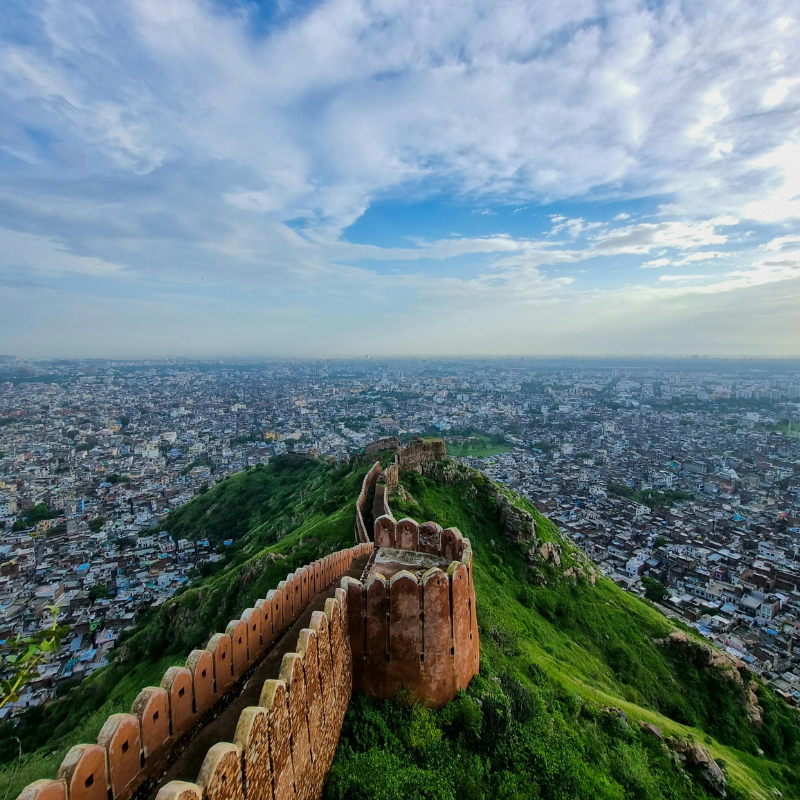
A panoramic view of the Jaipur city skyline from the walls of Nahargarh Fort
Destination

Jaipur

Jaipur Best Places to Visit in Jaipur (2026 Guide) | The Pink City Planning a trip to Jaipur? Explore the Pink City with our 2026 guide. We cover the top attractions, Amber Fort logistics, and expert travel tips for your royal Rajasthan adventure. Rising from the plains of Rajasthan, Jaipur is a living testament to royal grandeur and Mughal-Rajput architecture. Known as the “Pink City,” this UNESCO World Heritage city offers a vibrant blend of majestic forts, ornate palaces, bustling bazaars, and centuries-old culture. Use this guide to navigate Jaipur’s most iconic landmarks with ease and make the most of your 2026 visit. Enquire Now Jaipur Gateway: How to Reach the Pink City Destination Distance from Jaipur Railway Station (JP) Distance from Jaipur Airport (JAI) Best Time to Visit Amber Fort ~11 km ~20 km Oct – Mar Hawa Mahal ~4 km ~13 km Early Morning City Palace ~4 km ~13 km Oct – Mar Jantar Mantar ~4 km ~13 km Oct – Feb Nahargarh Fort ~8 km ~17 km Sunset Jal Mahal ~8 km ~17 km Early Morning By Rail: Jaipur Railway Station (JP) is well connected to Delhi, Mumbai, Agra, and Jodhpur. Most major attractions are 4–11 km from the station, reachable by auto-rickshaw, cab, or city bus in under 30 minutes. By Air: Jaipur International Airport (JAI) is located approximately 13 km from the city center. Prepaid taxis and app-based cabs are readily available for a comfortable 25–35-minute transfer to major landmarks. By Road: Jaipur sits on the Golden Triangle tourist circuit, just 268 km from Delhi and 240 km from Agra via NH 48 and NH 21, respectively—making it an easy and popular road trip destination. Pro Tip: The old city area—home to Hawa Mahal, City Palace, and Jantar Mantar—is best explored in the early morning before the heat and crowds build up. Hire a local auto-rickshaw for short hops between these closely clustered landmarks. Top Jaipur Highlights Amer Fort A UNESCO World Heritage Site with stunning mirror work and hilltop views. Jantar Mantar An 18th-century astronomical observatory with the world’s largest stone sundial. Jal Mahal A tranquil “Water Palace” floating in the middle of Man Sagar Lake. Galta Ji (Monkey Temple) Ancient pilgrimage site set within a mountain pass. Hawa Mahal The iconic “Palace of Winds” featuring 953 honeycomb windows. Nahargarh Fort Offers a panoramic, sunset-drenched view of the entire Jaipur city. Birla Mandir A beautiful white marble temple dedicated to Lord Vishnu and Lakshmi. Sisodia Rani Garden Sisodia Rani Garden: A lush, terraced garden featuring fountains and murals. City Palace A sprawling complex blending Rajasthani and Mughal architectural styles. Jaigarh Fort Home to the “Jaivana,” once the world’s largest cannon on wheels. Albert Hall Museum The state museum is housed in a stunning Indo-Saracenic building. Patrika Gate A vibrant, architecturally colorful entrance and social media hotspot. Frequently Asked Questions (FAQ) How many days do I need in Jaipur? 3 to 4 days is ideal. Two days are for the major city landmarks—Amber Fort, City Palace, Hawa Mahal, and Jantar Mantar—and one additional day is for the hilltop forts, bazaar shopping at Johari Bazaar, and a cultural dinner experience. Is Jaipur safe for solo travelers? Yes, Jaipur is one of the most visited and well-equipped tourist cities in India. It is generally safe for solo travelers, including women, though it is advisable to use pre-booked cabs or app-based rides after dark rather than unmarked autos. What is the best time to visit Jaipur? October to March is the best time to visit. The weather is pleasant with cool mornings and mild afternoons, ideal for exploring outdoor monuments and forts. Avoid April to June when temperatures regularly exceed 40°C. What is Jaipur famous for shopping? aipur is one of India’s premier shopping destinations. It is famous for blue pottery, block-printed textiles, lac bangles, gemstones, and handmade leather juttis. Johari Bazaar, Bapu Bazaar, and the Tripolia Bazaar are the top markets to explore. Tours & Packages Rajasthan Tour: 10 Nights Rajasthan Tour: 10 Nights Itinerary Day 1 Pick up at jaipur and stay Day 2 Jaipur sightseeing, City Palace,… Find More Jodhpur, Jaisalmer, Bikaner, Chittorgarh Tour Package: 5 Nights Jodhpur Jaisalmer Bikaner Chittorgarh: 5 Nights Itinerary Day 1 Pick up at Bikaner; visit the Karni Maa Temple, the… Find More Rajasthan Mewar Tour Package: 6-nights Rajasthan Mewar Tour Package: 6 Nights Itinerary Day 1 Pick up at Jaipur, visit the City Palace, Hawa Mahal,… Find More

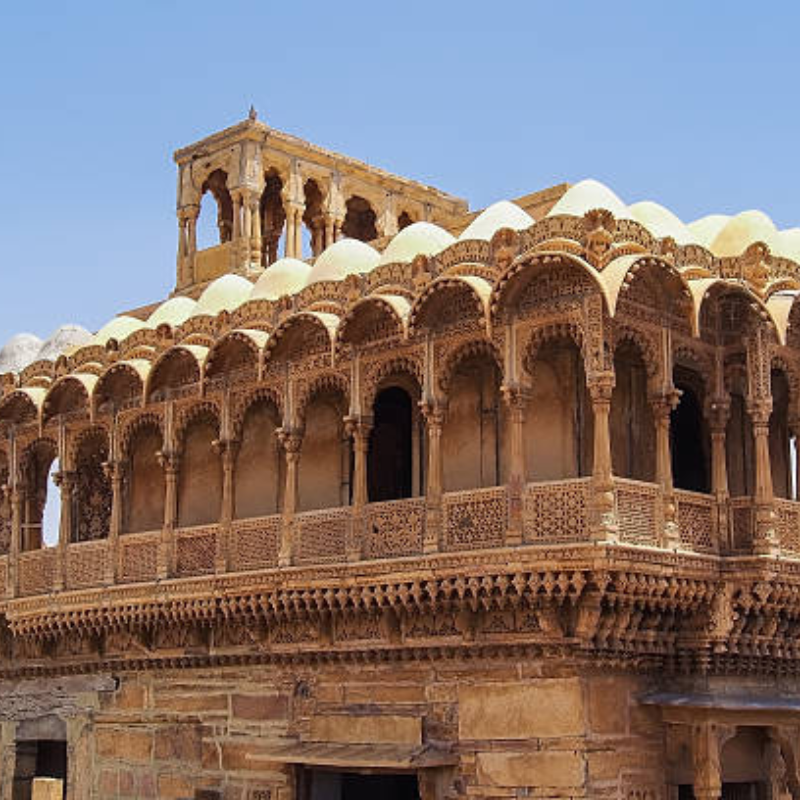
The unique arched peacock-shaped roof of Salim Singh Ki Haveli
Destination

Jaisalmer

Jaisalmer Best Places to Visit in Jaisalmer (2026 Guide) | The Golden City Planning a trip to Jaisalmer? Explore the Golden City with our 2026 guide. We cover the top attractions, Jaisalmer Fort logistics, and expert travel tips for your desert adventure. Best Places to Visit in Jaisalmer: The Ultimate Guide to the Golden CityRising from the heart of the Thar Desert, Jaisalmer is a masterpiece of yellow sandstone. Known as the “Golden City,” this UNESCO World Heritage region offers a glimpse into medieval Rajasthan. Use this guide to navigate the city’s majestic forts, havelis, and dunes with ease. Enquire Now Jaisalmer Gateway: How to Reach the Golden City? Planning your arrival? Here is how to reach the iconic Jaisalmer Fort from the city’s major transit hubs. Destination Distance from Jaisalmer Railway Station (JSM) Distance from Jaisalmer Airport (JSA) Best Time to Visit Jaisalmer Fort: ~2–3 km to ~14–17 km Nov – Patwon Ki Haveli ~2 km ~15 kmOct – MarGadisar Lake: ~3 km, ~16 km Late Afternoon Sam Sand Dunes ~42 km Sunset Dunes ~42 km, ~55 Sunset / Night How to Reach Jaisalmer Fort: By Rail: The fort is approximately 2.5 km from the Jaisalmer Railway Station (JSM). A short 5-minute auto-rickshaw or taxi ride will get you to the base of the fort. Sunset Fort. By Air: Jaisalmer Airport (JSA) is the nearest entry point, located about 14-17 km away. Prepaid taxis are available at the airport for a convenient 25-30 minute transfer to the fort area Pro-Tip: The fort area is a “living fort” with narrow, winding lanes. It is best explored entirely on foot once you reach the base, as vehicles cannot enter the inner citadel. citadel. Top Jaisalmer Highlights & Expert Tips  1. Jaisalmer Fort (Sonar Quila) The Vibe: One of the world’s few “living forts,” where nearly a quarter of the city’s population still resides. Expert Tip: Visit the Cannon Point at the top of the fort for a panoramic view of the entire city. For the best photography, visit at sunrise when the sandstone glows bright gold. 2. Patwon Ki Haveli The Vibe: A cluster of five smaller havelis built by a wealthy trader, famous for its intricate jali work and architecture. Expert Tip: Don’t just look from the outside. The inner courtyard of the first haveli is beautifully preserved and offers the most detailed carvings for close-up shots. 3. Sam Sand Dunes The Vibe: The ultimate desert experience featuring endless vistas of sand and cultural desert camps. Expert Tip: Skip the crowded afternoon safaris. Book a sunset camel ride or a jeep safari between 4:00 PM and 6:00 PM to experience the dunes when the temperatures are mild and the light is golden. 4. Gadisar Lake The Vibe: A scenic reservoir that once served as the city’s primary water source, surrounded by temples and ghats. Expert Tip: Visit in the late afternoon and rent a pedal boat. Watching the reflection of the surrounding cenotaphs on the water at dusk is a peaceful end to a day of sightseeing. Jaisalmer Highlights Jaisalmer Fort A “living fort” where a large portion of the population still resides. Gadisar Lake A historic rainwater reservoir surrounded by temples and ghats. Salim Singh Ki Haveli Famous for its unique arched roof shaped like a dancing peacock. Khuri Sand Dunes A quieter, more serene alternative to the crowded Sam dunes. Sam Sand Dunes The premier location for desert safaris and camel rides. Kuldhara Village An eerie, abandoned village with fascinating legends of mystery. Bada Bagh A series of golden royal cenotaphs set against a desert backdrop. Patwon Ki Haveli A cluster of five intricate, interconnected merchant mansions. Nathmal Ki Haveli Known for its distinct architecture and elaborate stone carvings. Jain Temples A network of seven beautifully carved 12th-century temples inside the fort. Frequently Asked Questions (FAQ) How many days do I need in Jaisalmer? You need 2 to 3 days. One day for the city (fort, havelis, and lake) and one full day for the desert/sand dunes experience. Is Jaisalmer safe for solo travelers? Yes, Jaisalmer is very tourist-friendly. However, stick to the main market areas and designated tourist zones, especially after dark. What is the best month to visit the desert? November to February. The desert sun is intense, so visiting during these winter months ensures pleasant sightseeing during the day and cool nights for camping. Tours & Packages Rajasthan Tour: 10 Nights Rajasthan Tour: 10 Nights Itinerary Day 1 Pick up at jaipur and stay Day 2 Jaipur sightseeing, City Palace,… Find More Jodhpur, Jaisalmer, Bikaner, Chittorgarh Tour Package: 5 Nights Jodhpur Jaisalmer Bikaner Chittorgarh: 5 Nights Itinerary Day 1 Pick up at Bikaner; visit the Karni Maa Temple, the… Find More Rajasthan Mewar Tour Package: 6-nights Rajasthan Mewar Tour Package: 6 Nights Itinerary Day 1 Pick up at Jaipur, visit the City Palace, Hawa Mahal,… Find More

Scroll to Top