
Rajasthan Tour: 10 Nights 11 Days Itinerary Day 1 Pick up at jaipur and stay Day 2 Jaipur sightseeing,…
Rajasthan Wildlife & National Parks
Best Wildlife & National Parks in Rajasthan (2026 Guide) | Tigers, Desert & Beyond
Planning a wildlife trip to Rajasthan? Explore the best national parks and wildlife sanctuaries with our 2026 guide. We cover Ranthambore, Sariska, Keoladeo, and more — with expert safari tips for an unforgettable Indian wildlife adventure.
When most travelers think of Rajasthan, they think of forts, palaces, and deserts. But Rajasthan is also one of India’s most important and rewarding wildlife destinations — home to some of the country’s most celebrated national parks, tiger reserves, bird sanctuaries, and desert wildlife ecosystems. From the legendary tigers of Ranthambore prowling ancient ruins to the extraordinary bird life of Keoladeo, and from the wolves and desert foxes of the Thar to the leopards of Sariska, Rajasthan offers a wildlife experience of remarkable depth and variety. Use this 2026 guide to plan your Rajasthan wildlife itinerary with confidence — covering the best parks, what to expect, and when to go.
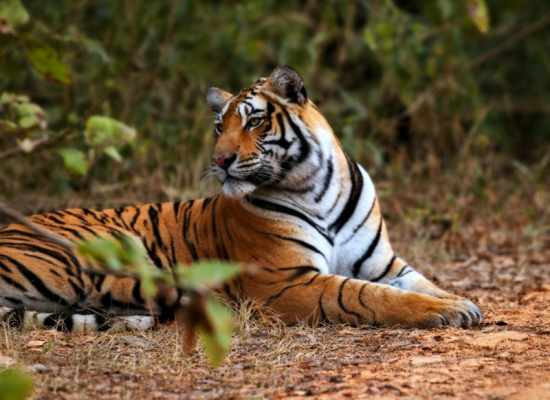
Rajasthan Wildlife Gateway: Key Parks at a Glance
| National Park / Sanctuary | Nearest Major City | Distance from Nearest City | Best Time to Visit | Key Wildlife |
|---|---|---|---|---|
| Ranthambore National Park | Sawai Madhopur | ~14 km | Oct – Jun | Bengal Tiger, Leopard, Sloth Bear |
| Sariska Tiger Reserve | Alwar | ~36 km | Oct – Jun | Bengal Tiger, Leopard, Jackal |
| Keoladeo National Park | Bharatpur | ~5 km | Oct – Mar | Migratory Birds, Python, Deer |
| Desert National Park | Jaisalmer | ~42 km | Oct – Mar | Great Indian Bustard, Desert Fox |
| Mukundra Hills Tiger Reserve | Kota | ~50 km | Oct – Jun | Bengal Tiger, Sloth Bear, Crocodile |
| Tal Chhapar Sanctuary | Churu | ~90 km | Aug – Mar | Blackbuck, Harrier, Desert Fox |
| Mount Abu Wildlife Sanctuary | Mount Abu | ~8 km | Oct – Jun | Leopard, Sloth Bear, Wild Boar |
| Jaisamand Wildlife Sanctuary | Udaipur | ~58 km | Oct – Mar | Leopard, Crocodile, Hyena |
Top Rajasthan Wildlife Destinations
1. Ranthambore National Park
The Vibe: India’s most famous and most photographed tiger reserve — a dramatic 1,334 square kilometre wilderness of dry deciduous forest, rocky hills, and ancient ruins in eastern Rajasthan. Ranthambore is widely considered to offer the best chances of spotting Bengal tigers in the wild anywhere in India, owing to the tigers’ unusual habit of being active during the day and comfortable around safari vehicles. The park’s iconic backdrop — the 10th-century Ranthambore Fort rising above the forest — makes every wildlife sighting here feel cinematic and extraordinary.
Ranthambore is home to approximately 70 to 80 tigers, along with leopards, sloth bears, striped hyenas, jackals, sambar deer, nilgai, and Indian crocodiles sunning themselves on the banks of Malik Talao and Padam Talao lakes. The park is divided into 10 safari zones, with Zones 1 to 5 considered the core zones offering the highest tiger sighting probability.
Safari Information: Safaris run twice daily — morning and afternoon. The morning safari departs between 6:00 AM and 7:00 AM depending on the season, and the afternoon safari departs between 2:00 PM and 3:30 PM. Both open-top Gypsy (6-seat) and Canter (20-seat) vehicles are available. Gypsy safaris offer a more intimate and manoeuvrable experience and are strongly recommended over the Canter. All safari permits must be booked in advance through the official Rajasthan forest department website — last-minute permits are extremely difficult to obtain during peak season.
Best Time to Visit: October to June. The park closes annually from July 1st to September 30th for the monsoon season. February to May offers the highest tiger visibility as the vegetation thins out and animals gather around water sources. Summer (April to June) is hot but often produces the most dramatic and prolonged tiger sightings.
2. Sariska Tiger Reserve
The Vibe: A 866 square kilometre tiger reserve in the Aravalli Hills of Alwar district — historically significant as the first reserve in the world where tigers were successfully relocated after the local population was poached to extinction in the early 2000s. Today Sariska has a recovering tiger population of approximately 25 to 30 individuals, along with leopards, jungle cats, golden jackals, sambar, chital, and nilgai. The reserve also contains several ancient temples, ruins, and the impressive Kankwari Fort — a Mughal-era fortress deep within the jungle where Aurangzeb once imprisoned his brother Dara Shikoh.
Sariska is significantly less crowded than Ranthambore, making it an excellent alternative for travelers seeking a more unhurried and authentic jungle safari experience. Its proximity to Delhi (approximately 200 km) and Jaipur (approximately 107 km) makes it a practical choice for a weekend wildlife escape.
Safari Information: Safaris run twice daily in open-top Gypsy vehicles. Zone 1 (Kalighati area) is considered the best zone for tiger sightings. All permits must be booked in advance through the Rajasthan forest department. A visit to the Sariska Palace — a former royal hunting lodge now operating as a heritage hotel — makes for an atmospheric base for your safari stay.
Best Time to Visit: October to June. February to May offers the best wildlife sighting conditions as the forest opens up and animals concentrate around water holes.
3. Keoladeo National Park (Bharatpur Bird Sanctuary)
The Vibe: A UNESCO World Heritage Site and one of the world’s most important bird sanctuaries — a 29 square kilometre wetland and woodland ecosystem in Bharatpur that hosts an extraordinary concentration of resident and migratory bird species. At its peak during winter, Keoladeo is home to over 370 species of birds including the Siberian crane (now critically endangered and rarely sighted), painted storks, open-billed storks, greater spotted eagles, imperial eagles, Indian darters, purple herons, and dozens of species of duck and wading birds. The park is also home to pythons, sambar deer, nilgai, fishing cats, and jungle cats.
Keoladeo is one of the few wildlife destinations in India where the experience is best had slowly — on foot, by bicycle, or by cycle-rickshaw along the flat, well-maintained paths that wind through the wetlands. It is a paradise for birdwatchers and wildlife photographers of every level of experience.
Safari Information: Unlike most Indian wildlife parks, Keoladeo does not permit motor vehicles inside the sanctuary. Visitors explore on foot, by bicycle (available for rent at the gate), or by cycle-rickshaw with a trained guide. Certified bird guides are available at the entrance and are strongly recommended for a rewarding experience — they have extraordinary eyesight and knowledge of the park’s seasonal bird movements.
Best Time to Visit: October to March for migratory birds. November and December are the peak months when the greatest variety and number of migratory species are present. The park is open year-round but summer visits offer fewer bird species.
4. Desert National Park
The Vibe: The largest national park in India by area — a vast 3,162 square kilometre protected ecosystem in the Thar Desert near Jaisalmer, preserving the unique flora, fauna, and geological features of one of the world’s great desert environments. Desert National Park is the last stronghold of the critically endangered Great Indian Bustard — one of the heaviest flying birds in the world and a species facing imminent extinction. The park is also home to the desert fox, desert cat, chinkara (Indian gazelle), blackbuck, Indian wolf, monitor lizard, and a remarkable variety of migratory raptors in winter including the short-toed snake eagle, tawny eagle, and laggar falcon.
The landscape itself is the experience here — vast stretches of sand dunes, fossil beds (some containing 180-million-year-old marine fossils), rocky plateaus, and seasonal wetlands that attract enormous flocks of migratory birds between October and March.
Safari Information: Jeep safaris into the park are arranged through licensed operators in Jaisalmer. The Sam and Khuri areas serve as the most common entry points. A dedicated Great Indian Bustard spotting excursion requires a special permit and a knowledgeable local guide — arrange this through your hotel or a reputable Jaisalmer tour operator well in advance as sightings require significant effort and patience.
Best Time to Visit: October to March. Winter mornings in the desert are cool and pleasant, wildlife is most active, and migratory raptors and birds are present in the greatest numbers.
5. Mukundra Hills Tiger Reserve
The Vibe: Rajasthan’s newest and least visited tiger reserve — a 759 square kilometre protected area in the Hadoti region near Kota, encompassing the Darrah, Jawahar Sagar, and Chambal Wildlife Sanctuaries. Mukundra Hills is home to a small but growing tiger population, along with leopards, sloth bears, wolves, hyenas, chital, sambar, and the Indian crocodile in the Chambal River that runs through the reserve. The park also contains the ruins of several ancient temples and historic structures scattered through the jungle, giving it an atmospheric quality reminiscent of a lesser-known Ranthambore.
Mukundra Hills offers a genuine off-the-beaten-path wildlife experience for serious nature enthusiasts willing to venture beyond Rajasthan’s more famous parks. Sighting density is lower than Ranthambore but the experience is far more private and immersive.
Safari Information: Jeep safaris are available from the Kota-based forest department office. Tourist infrastructure is still developing here — arrange safaris and accommodation well in advance as options are more limited than in Ranthambore or Sariska.
Best Time to Visit: October to June. March to May offers the best conditions for wildlife sightings as water sources dry up and animals concentrate around remaining water holes.
6. Tal Chhapar Blackbuck Sanctuary
The Vibe: A small but spectacular 719-hectare grassland sanctuary in the Churu district of northern Rajasthan — one of the finest places in India to observe the Indian blackbuck in large numbers in their natural open grassland habitat. The sanctuary supports a population of over 5,000 blackbucks, along with desert foxes, chinkara, and an exceptional variety of raptors. Between August and March, Tal Chhapar becomes one of the most important wintering grounds in India for harriers — with up to six species of harrier roosting in the grasslands simultaneously, drawing birdwatchers from across the country and the world.
The flat, open landscape makes Tal Chhapar an unusually accessible and rewarding wildlife destination where sightings are virtually guaranteed and the experience requires no early morning rush or advance booking scramble.
Safari Information: Jeep and open vehicle safaris are available through the forest department. The sanctuary is small enough to explore thoroughly in a single morning visit. Tal Chhapar is most commonly visited as a day trip from Bikaner (90 km) or Churu and pairs well with a Shekhawati heritage tour.
Best Time to Visit: August to March. October to February is peak season for both blackbuck and migratory raptors.
Top Rajasthan Wildlife & National Parks Highlights
Ranthambore National Park
One of the best places in India to spot tigers in the wild.
Sariska Tiger Reserve
A sprawling forest reserve known for tigers, leopards, and ruins.
Tal Chhapar Sanctuary
Famous for blackbucks and migrating raptors.
Kumbhalgarh Wildlife Sanctuary
Home to wolves, leopards, and sloth bears.
Ranthambore Fort
An ancient fort located deep inside the tiger reserve.
Jawai Leopard Reserve
Famous for its unique coexistence between leopards and humans.
Sajjangarh Biological Park
Located near Udaipur, known for diverse fauna.
Keoladeo National Park (Bharatpur)
A world-famous UNESCO bird sanctuary.
Darrah Sanctuary (Mukundra)
A scenic area perfect for wildlife photography.
Bassi Wildlife Sanctuary
Near Chittorgarh, great for trekking and spotting panthers.
Frequently Asked Questions (FAQ)
Which is the best national park in Rajasthan for tiger sightings?
Ranthambore National Park is by far the best option for tiger sightings in Rajasthan and one of the best in all of India. The tigers here are unusually habituated to safari vehicles and are active during daylight hours, making sighting probability significantly higher than in most other Indian tiger reserves. Book Zones 1 to 5 for the highest chance of an encounter.
Can I visit Rajasthan wildlife parks with children?
es, most Rajasthan wildlife parks are suitable for families with children above the age of 5. Keoladeo Bird Sanctuary in Bharatpur is particularly child-friendly as it is explored on foot and by cycle-rickshaw at a slow, unhurried pace. Tal Chhapar Blackbuck Sanctuary is also an excellent choice for families as sightings are virtually guaranteed and the open landscape makes spotting animals easy and exciting for young visitors.
How do I book safari permits for Ranthambore?
All safari permits for Ranthambore must be booked through the official Rajasthan forest department online booking portal. Permits are released 90 days in advance and fill up extremely quickly during peak season (October to March). It is strongly advisable to book as soon as the booking window opens. Reputable wildlife tour operators can also assist with permit bookings as part of a packaged safari itinerary.
Tours & Packages
Jodhpur Jaisalmer Bikaner Chittorgarh: 5 Nights Itinerary Day 1 Pick up at Bikaner; visit the Karni Maa Temple, the…
Rajasthan Mewar Tour Package: 6 Nights Itinerary Day 1 Pick up at Jaipur, visit the City Palace, Hawa Mahal,…


