
Bundi Palace
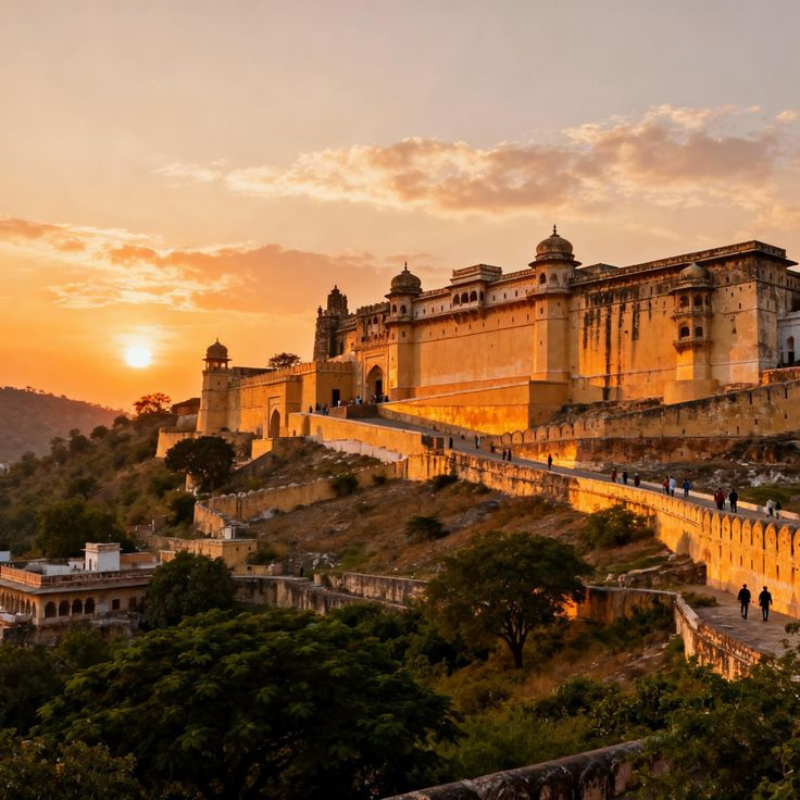
Bundi Palace (Garh Palace):
Perched dramatically on the steep, rocky slopes of the Aravalli hills overlooking the historic blue-washed town of Bundi, the Bundi Palace (also known as Garh Palace) is one of India’s most atmospheric and structurally unique royal monuments. Built primarily between the late 16th and early 17th centuries by the rulers of the Hada Chauhan clan—beginning with Rao Raja Ratan Singh—this grand palace complex is globally celebrated as the supreme epicenter of the Bundi School of painting.
Unlike the massive, heavily symmetric Mughal palaces of Jaipur or Jodhpur, Bundi Palace features an organic, asymmetrical maze of stone terraces, overhanging balconies (jharokhas), and intricately carved brackets that seem to grow organically straight out of the mountain cliffside. The legendary author Rudyard Kipling famously described it as “the work of goblins rather than of men,” owing to its surreal, timeless appearance.
What elevates Bundi Palace from a military fortress to a world-class cultural treasure is its matchless collection of vivid mural frescoes. The palace interiors served as a royal canvas during the 17th and 18th centuries when local artists developed a highly distinct style characterized by glowing, vibrant colors (dominated by turquoise, orange, and vivid greens), graceful human figures, and a deep, poetic focus on lush natural landscapes.
The pinnacle of this artistic movement is preserved inside the Chitrashala (also known as the Ummed Mahal). Built under the patronage of Maharao Ummed Singh, this sheltered courtyard gallery features walls and ceilings entirely covered in pristine miniature murals that have never been restored, yet retain their brilliant luster. The paintings illustrate complex scenes from the Raslila (the divine dance of Radha and Lord Krishna), royal court processions, dynamic hunting expeditions, and highly detailed depictions of the local monsoon wilderness.
Top Things to See & Do Inside:
Enter Through Hathi Pole (The Elephant Gate): The primary royal entrance to the inner complex is guarded by a monumental stone gateway crowned by two massive, beautifully sculpted stone elephants whose trunks interlock to form a majestic defensive archway.
Marvel at the Chitrashala (The Picture Gallery): Located on an upper garden terrace, this is the absolute crown jewel of Bundi. Walk slowly past the pillars to study the intricate brushwork, where artists used natural minerals and real gold leaf to depict rolling monsoon clouds, playful monkeys, and the legendary love stories of Hindu mythology.
Explore the Badal Mahal (The Palace of Clouds): Positioned high within the older apartment blocks, the ceilings of this grand chamber are completely covered in exquisite, early 17th-century frescoes depicting Chinese-influenced cloud patterns, celestial angels, and traditional court life.
See the Phool Mahal (The Palace of Flowers): Built by Raja Bhoj, this grand audience hall features striking wall murals depicting massive armies marching with columns of war elephants, historic fortress layouts, and fine ornamental patterns.
Climb to Taragarh Fort: Located directly above the palace complex along a steep, rugged mountain path sits the crumbling, heavily fortified Taragarh Fort (Star Fort). Built in 1354 AD, this wild, untamed fortress houses massive medieval water reservoirs and offers a breathtaking panoramic view over the entire valley.
View Nearby Destinations
- All Events
- Destination


