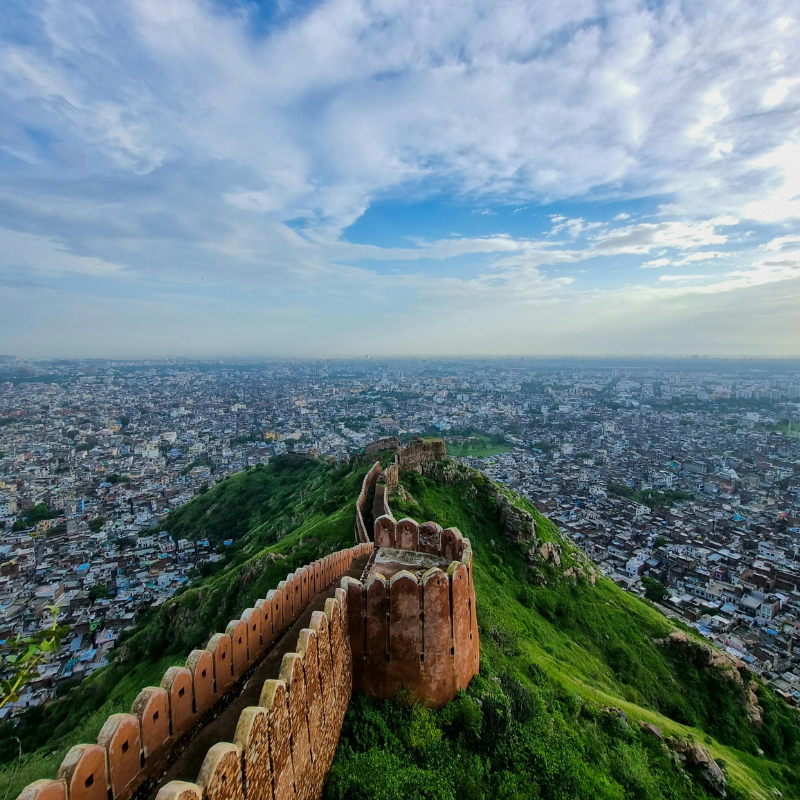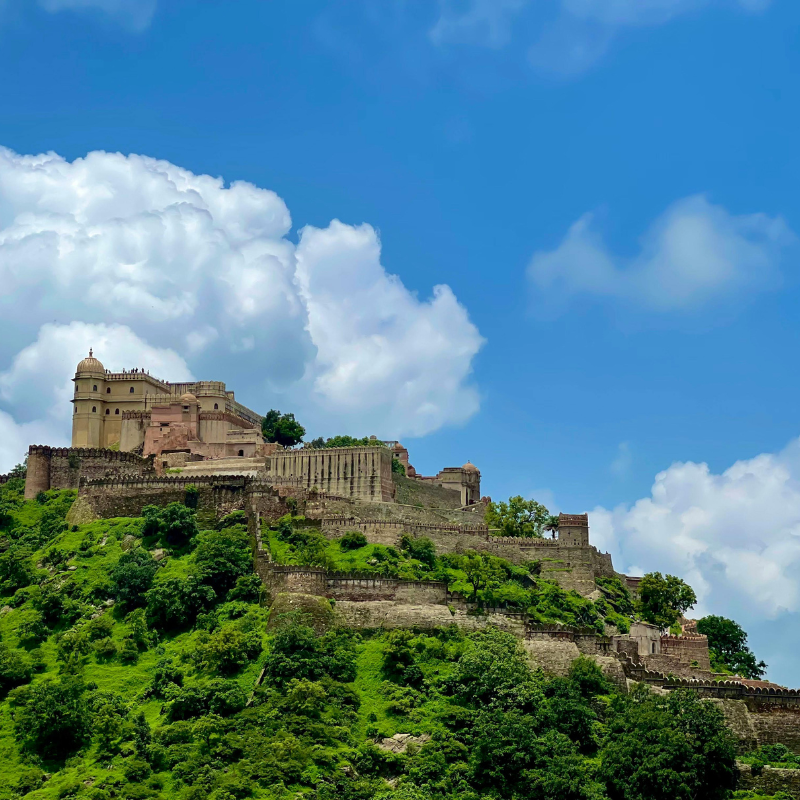
Mount Abu & South Rajasthan
Mount Abu & South Rajasthan Best Places to Visit in Mount Abu & South Rajasthan (2026 Guide) | Hills, Temples & Tribal Heritage Planning a trip to Mount Abu and South Rajasthan? Explore Rajasthan’s only hill station and the ancient temples, tribal culture, and scenic landscapes of the south with our 2026 guide. We cover Dilwara Temples, Chittorgarh Fort, Kumbhalgarh, and expert travel tips for an unforgettable journey. South Rajasthan is the Rajasthan that most travelers never reach — and for those who do, it is often the part they remember most vividly. This is a landscape of dramatic difference: where the desert cities of the north give way to the forested Aravalli Hills, ancient temple complexes of breathtaking intricacy, the mist-wrapped lanes of India’s only desert hill station, and a rich tribal culture rooted in traditions that predate the Rajput kingdoms themselves. From the soaring ramparts of Chittorgarh — the greatest fortress in India by area and the site of Rajputana’s most legendary acts of valor — to the impossibly delicate marble carvings of the Dilwara Temples at Mount Abu, and from the cloud-touching walls of Kumbhalgarh to the tribal heartland of the Bhil and Garasia communities in the hills around Dungarpur and Banswara, south Rajasthan offers a depth of experience that rewards the traveler willing to venture beyond the well-worn tourist circuit. Use this 2026 guide to explore the hills, temples, forts, and tribal heritage of south Rajasthan with confidence and context. Enquire Now South Rajasthan Gateway: Key Destinations at a Glance Destination Distance from Udaipur Distance from Jaipur Distance from Ahmedabad Best Time to Visit Mount Abu ~185 km ~490 km ~220 km Oct – Mar / Jun (Monsoon) Dilwara Temples (Mount Abu) ~190 km ~495 km ~225 km Oct – Mar Chittorgarh Fort ~115 km ~310 km ~340 km Oct – Mar Kumbhalgarh Fort & Wildlife ~85 km ~355 km ~305 km Oct – Jun Ranakpur Jain Temples ~100 km ~370 km ~315 km Oct – Mar Dungarpur ~140 km ~490 km ~185 km Oct – Mar Bundi ~210 km ~210 km ~430 km Oct – Mar Jhalawar ~330 km ~240 km ~490 km Oct – Mar Mount Abu & South Rajasthan Highlights Dilwara Jain Temples Renowned globally for their incredibly intricate marble carvings. Achalgarh Fort A historic fort offering beautiful views of the hill station. Kumbhalgarh Fort Famous for its wall, the second-longest after the Great Wall of China. Haldi Ghati The historic site of the famous battle between Maharana Pratap and Akbar. Nakki Lake A stunning lake surrounded by unusual rock formations. Chittorgarh Fort The largest fort in India, a symbol of Rajput valor. Nathdwara Home to the Shrinathji Temple, a major pilgrimage site. Guru Shikhar The highest peak in the Aravalli Range. Ranakpur Jain Temple A breathtaking temple with 1,444 unique marble pillars. Eklingji Temple An ancient complex of 108 temples dedicated to Lord Shiva. Frequently Asked Questions (FAQ) How many days do I need for Mount Abu and South Rajasthan? A well-structured south Rajasthan itinerary requires a minimum of 6 to 8 days. A practical breakdown would be: 2 days in Mount Abu (Dilwara Temples, Nakki Lake, Guru Shikhar, Achalgarh), 1 day at Kumbhalgarh and Ranakpur (combined on the same route), 1 day at Chittorgarh, 2 days in Udaipur as your base, and 1 day for Dungarpur or Bundi depending on your direction of travel. Adding Bundi and Jhalawar requires an additional 2 days and suits travelers with a deeper interest in offbeat heritage. Is Mount Abu worth visiting in summer? Yes—uniquely among Rajasthan destinations, Mount Abu is actually an excellent summer destination. Its altitude keeps temperatures between 23°C and 33°C even in May and June when the plains of Rajasthan are experiencing temperatures above 44°C. Mount Abu is a traditional summer retreat for families from Rajasthan and Gujarat and has a lively, festive atmosphere during the summer holiday season. The monsoon (July to September) is also beautiful here—the forested hills turn vivid green and the waterfalls around the hill station are at their most dramatic. What makes Chittorgarh different from other Rajasthan forts? Chittorgarh is fundamentally different in scale, historical depth, and emotional resonance from any other fort in Rajasthan. While forts like Mehrangarh and Amber are architectural masterpieces and royal residences, Chittorgarh is an entire civilization preserved on a plateau—a complete medieval city containing palaces, temples, reservoirs, residential quarters, and towers spread across 700 acres. Its historical associations with the three legendary jauhars, the stories of Padmini, Mirabai, and Maharana Pratap, and its status as the spiritual heart of Rajput resistance give it an emotional weight that no other fort in Rajasthan can match. Tours & Packages Rajasthan Tour: 10 Nights Rajasthan Tour: 10 Nights Itinerary Day 1 Pick up at jaipur and stay Day 2 Jaipur sightseeing, City Palace,… Find More Jodhpur, Jaisalmer, Bikaner, Chittorgarh Tour Package: 5 Nights Jodhpur Jaisalmer Bikaner Chittorgarh: 5 Nights Itinerary Day 1 Pick up at Bikaner; visit the Karni Maa Temple, the… Find More Rajasthan Mewar Tour Package: 6-nights Rajasthan Mewar Tour Package: 6 Nights Itinerary Day 1 Pick up at Jaipur, visit the City Palace, Hawa Mahal,… Find More