Baroli Temples
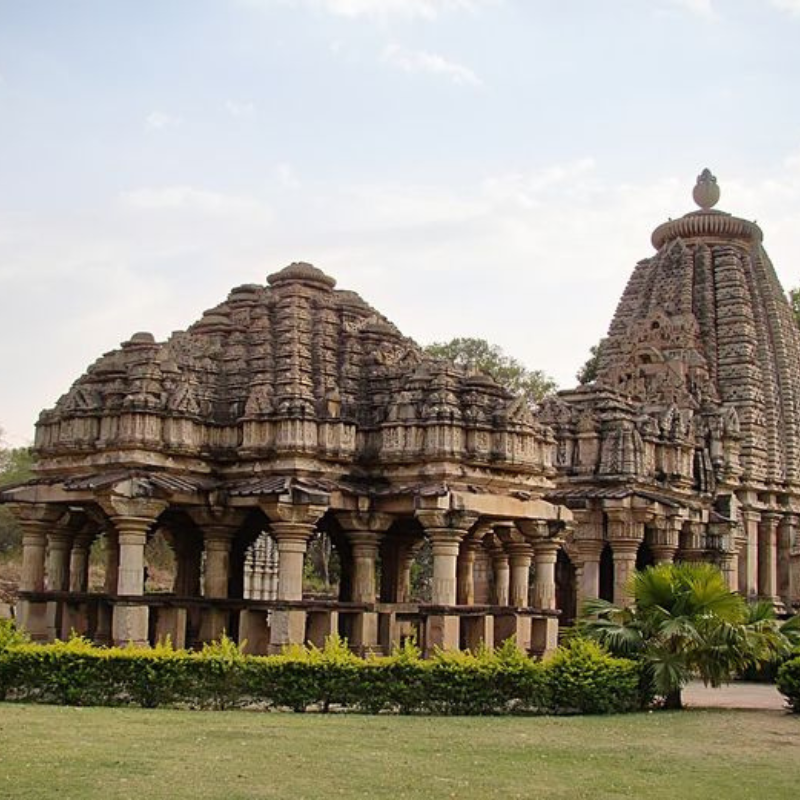
Baroli Temples:
Tucked away in a serene, mango-shaded complex in the fortified township of Rawatbhata, roughly 50 kilometers southwest of Kota, the Baroli Temples (also spelled Badoli) are among the earliest, most masterfully executed temple groups in Rajasthan. Built primarily between the 9th and 10th centuries AD under the Gurjara-Pratihara style, this group of nine architectural marvels predates the famous temples of Khajuraho and Udaipur’s lines, representing a golden age of early medieval stone carving.
While the location feels completely cut off from the main tourist trail, the sheer refinement of the stone masonry is staggering. Unlike later temples that were heavily altered or expanded, Baroli has preserved its raw, ancient stone textures, making it a peaceful haven for heritage explorers and art historians alike.
The Baroli complex is situated near the rocky gorge where the Chambal River cuts through the mountain plateau. The historic structures were first brought to the attention of modern historians by the legendary British chronicler Colonel James Tod in 1821, who openly marveled at their perfect structural symmetry, writing that the carvings defied description.
Architecturally, the temples are built following the classic Nagara style, characterized by curvilinear stone towers (shikhars) and open pillared assembly halls. The local artisans carved these monuments out of incredibly dense, weather-resistant local sandstone, which allowed them to execute crisp, deep reliefs of deities, celestial dancers, and foliage that have survived over a thousand years with minimal erosion.
Top Things to See & Do Inside:
Marvel at the Ghateshwar Mahadev Temple: The largest, most intact, and artistically significant shrine in the entire yard. Dedicated to Lord Shiva, its name stems from the unique, vase-shaped (ghat) design elements built onto its tower. The open entrance pavilion (Rangamandapa) is supported by columns carved into incredibly expressive, curved figures of dancing nymphs (surasundaris) that look completely alive in the changing daylight.
Study the Carvings of the Trimurti Temple: Though partially ruined, the sanctum houses a spectacular, deeply expressive three-faced bust of Lord Shiva representing his three cosmic roles: the Creator, the Preserver, and the Destroyer.
See the Sheshashayan Vishnu Shrine: A dedicated, open rectangular stone pavilion that protects a beautiful, horizontal relief carving of Lord Vishnu reclining gracefully on the coils of the multi-headed serpent king, Ananta Shesha.
Discover the Mahishamardini and Ganesha Shrines: Walk along the manicured lawns to explore the smaller sub-shrines. The Mahishamardini temple features an exceptionally dynamic carving of the Goddess Durga slaying the buffalo demon, filled with tight, fine armor details and moving lines.
View Nearby Destinations
- All Events
- Destination