
Keoladeo National Park
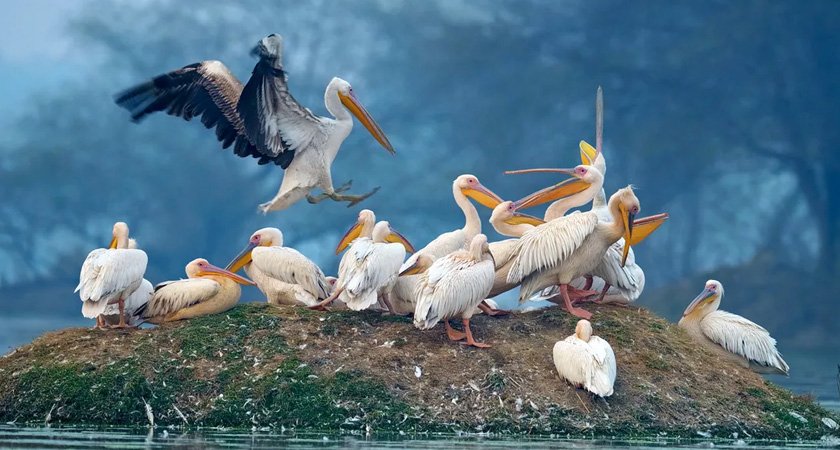
Keoladeo National Park (Bharatpur):
Located in the Bharatpur district of eastern Rajasthan, Keoladeo National Park (historically known as the Bharatpur Bird Sanctuary) is a world-renowned oasis of green wetlands and one of the finest bird sanctuaries on the planet. Recognized globally as a UNESCO World Heritage Site, this spectacular reserve serves as a vital wintering ground for thousands of rare and migratory waterbirds, drawing ornithologists, wildlife photographers, and nature lovers from every corner of the globe.
Unlike many of Rajasthan’s rugged, dry wildlife sanctuaries, Keoladeo is a man-made and man-managed wetland ecosystem. Sprawling across just 29 square kilometers, its mosaic of shallow marshes, woodlands, and grassy swamps creates a vibrant sanctuary where the air hums continuously with the calls of over 370 distinct bird species.
An Imperial Duck Shoot Turned Conservation Sanctuary
The park’s history is a fascinating tale of ecological transformation. In the late 19th century, the Maharaja of Bharatpur artificially converted this naturally low-lying depression into a private hunting reserve by building small earthen dams (bunds) to divert water from nearby irrigation canals. The area quickly became a highly exclusive duck-shooting ground for the royal family and visiting British elites—famously hosting Lord Linlithgow, who managed to shoot over 4,200 birds in a single day in 1938.
The hunting grounds were officially declared a protected national park in 1982. The park takes its modern name from an ancient Keoladeo (Lord Shiva) Temple that stands silently in the very heart of the forest, transforming a site of past imperial sport into an enduring sanctuary for global avian conservation.
Top Things to See & Do Inside:
Take a Traditional Cycle-Rickshaw Safari: One of the most charming aspects of the park is that motor vehicles are strictly banned past the main entry gate. You can explore the paved forest paths via a unique cycle-rickshaw safari. The local rickshaw pullers are trained by the wildlife department and double as expert naturalists who can spot highly camouflaged owls and rare waders from a distance.
Spot the Magnificent Migratory Birds: If you visit during the winter peak, the wetlands crawl with incredible life. Look out for massive flocks of painted storks nesting in the acacia trees, elegant demoiselle cranes, pelicans, bar-headed geese, spoonbills, and the rare, globally threatened greater spotted eagle.
Wander the Python Point Trail: Head down toward the southern edge of the central path to visit Python Point. On sunny winter afternoons, massive Indian rock pythons can routinely be spotted emerging from their underground burrows to sunbathe on the warm, open rocks.
Enjoy a Sunrise Boat Ride: When the water levels are high following the monsoon, the forest department operates quiet, non-motorized boat rides through the marshes. Floating silently through the morning mist offers an incredibly intimate look at feeding herons, egrets, and cormorants up close.
Essential Traveler Tips for Your Visit:
The Best Months to Visit:
October to March (Peak Season): This is the absolute prime time to visit. The weather is beautifully cool and crisp, and the marshes are completely packed with thousands of exotic migratory birds arriving from Siberia and Central Asia.
August to October (Breeding Season): This is a wonderful time to witness thousands of resident waterbirds building massive communal nesting colonies in the treetops.
Park Timings & Nominal Entry Fees: The park is open daily from sunrise to sunset (typically 6:00 AM to 6:00 PM in winter). There is a nominal entry fee for visitors (around ₹75 for Indians and ₹500 for international tourists).
Safari Hiring Logistics: Cycle-rickshaws, bicycles, and government-approved binoculars can be rented directly at the main entrance gate for fixed hourly rates. Hiring a rickshaw naturalist is highly recommended to help you identify the complex bird calls.
The Ultimate Golden Triangle Stop: Bharatpur is perfectly situated right along the main transit highway between Agra (55 km) and Jaipur (180 km). It makes for an incredible, relaxing overnight stop or a half-day excursion for travelers moving between the Taj Mahal and the Pink City.
View Nearby Destinations
- All Events
- Destination


