
Savitri Temple
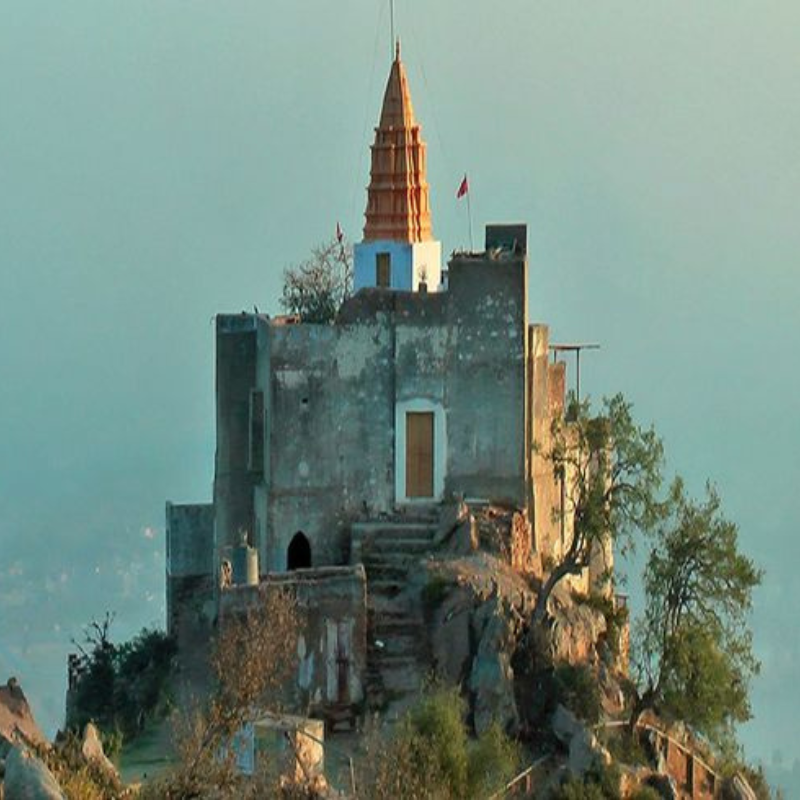
Savitri Temple: The Sunset Point over Pushkar
Perched high atop the rugged summit of Ratnagiri Hill, directly overlooking the sacred waters of Pushkar Lake, the Savitri Devi Temple offers one of the most spiritually profound and visually spectacular experiences in Rajasthan. While the bustling town below is dedicated to Lord Brahma, this mountaintop sanctuary belongs to his estranged first wife, Goddess Savitri.
For travelers and pilgrims alike, making the journey up to this hilltop shrine is an absolute rite of passage. It seamlessly combines a deep dive into fascinating Hindu mythology with a dramatic, bird’s-eye view of the entire golden desert landscape sprawling as far as the eye can see.
The Sanctuary of an Enraged Goddess
The temple’s unique location is tied directly to the famous legend of the Brahma Temple below. When Lord Brahma hastily married a local milkmaid, Gayatri, to complete his divine sacrifice on time, an enraged Goddess Savitri cursed him. Deeply hurt and refusing to witness the ceremony, she retreated away from the main valley to the absolute highest peak in the area—Ratnagiri Hill.
Local tradition dictates that the gods must be worshipped in the order of their grievance. To this day, devotees visiting Pushkar traditionally climb up to seek the blessings of Goddess Savitri first, before heading down to the valley to visit the shrines of Brahma and Gayatri. The temple houses beautiful marble idols of both Savitri and Gayatri, standing together as a symbol of eventual cosmic reconciliation.
Top Things to See & Do at the Hilltop:
Catch the Ultimate Sunrise or Sunset: This is the absolute best viewpoint in Pushkar. Watching the sun dip below the vast Thar Desert or seeing the first morning rays illuminate the white ghats of the lake below is a mesmerizing experience that draws photographers from around the world.
Ride the Savitri Ropeway: If you want to skip the intense physical climb, hop into one of the modern cable car cabins. The 5-minute ropeway ride glides smoothly up the steep mountain face, offering thrilling panoramic views of the entire valley as you ascend.
Walk the Ancient Stone Steps: For fitness enthusiasts and pilgrims, the traditional trek up the zig-zagging stone staircase is a rewarding challenge. The path winds up the rocky hillside, providing plenty of spots to sit back, catch your breath, and enjoy the changing vistas.
Photograph the Hilltop Wildlife: The summit and the surrounding cliffs are home to a massive population of bold, curious grey langurs and rhesus monkeys. Watching them navigate the steep rock faces with ease adds a wonderful touch of nature to your visit.
Essential Traveler Tips for Your Visit:
Ropeway vs. Trekking Logistics:
The Trek: The climb consists of roughly 1,000 stone steps and takes anywhere from 30 to 45 minutes depending on your pace. It is best tackled in the cool early morning before the desert sun gets intense.
The Ropeway: Tickets are highly nominal (around ₹160 per person for a round-trip). It operates continuously throughout the day, making the peak fully accessible to families, children, and elderly travelers.
Operating Timings: The temple is generally open from 5:00 AM to 7:00 PM daily. If you plan to watch the sunset from the top, ensure you head down immediately after, as the hillside steps are not heavily lit past dark.
Secure Your Food & Belongings: The monkeys at the summit are notorious pickpockets! Keep all food items, plastic bags, sunglasses, and loose water bottles safely inside a zipped backpack. Avoid flashing snacks or offerings openly, as the langurs will not hesitate to playfully grab them straight out of your hands.
Combine It with a Camel Safari: The base of Ratnagiri Hill sits right on the edge of the desert dunes. It is incredibly easy to pair an afternoon visit to the Savitri Temple with an evening camel ride or desert camp experience immediately afterward.
View Nearby Destinations
- All Events
- Destination


