
Pushkar Lake
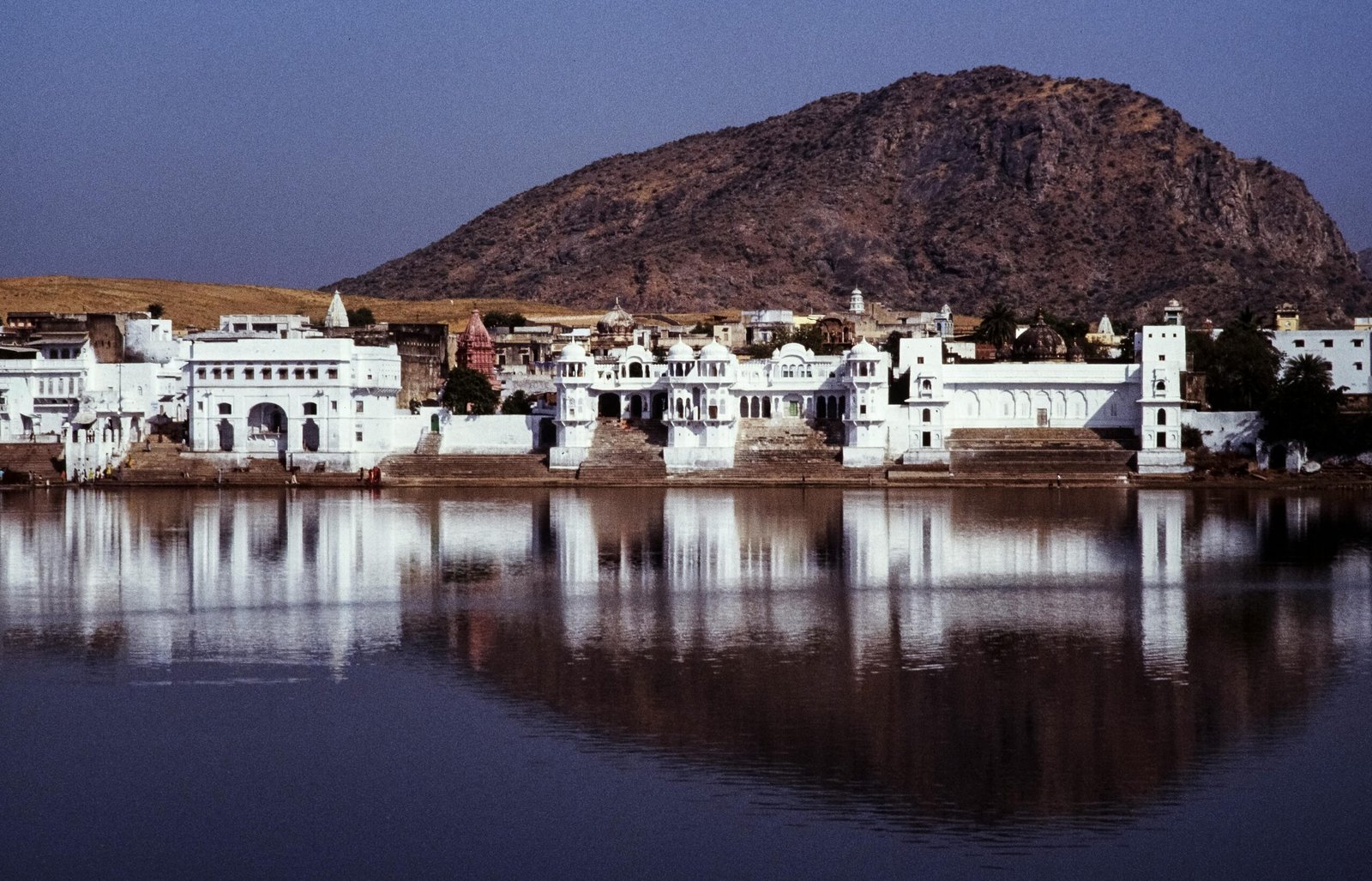
Pushkar Lake:
Nestled on the edge of the Thar Desert and surrounded by the rugged Aravalli hills, Pushkar Lake (also known as Pushkar Sarovar) is one of the most sacred and culturally profound water bodies in all of India. For centuries, this serene, semi-circular lake has served as the spiritual heart of Hinduism, drawing millions of pilgrims, sages, and travelers to its mystical shores.
According to ancient Hindu scriptures, Pushkar is one of the five holiest pilgrimage destinations (Panch Tirtha). What makes a visit here truly unforgettable isn’t just the natural beauty of an oasis framed by desert sands—it is the continuous, living layer of deep spiritual devotion that hums along the waterfront from sunrise to sunset.
The Divine Lotus Legend
The origin of Pushkar Lake is rooted in a beautiful Vedic creation story. According to the Padma Purana, the universe’s creator, Lord Brahma, was looking for a peaceful place to perform a grand religious sacrifice (Yajna). As he flew over the earth, a divine lotus flower dropped from his hands.
The lotus struck the earth in three places, and sweet water miraculously gushed forth from the desert ground, forming three lakes. The primary spot where the main lotus fell became known as Pushkar, which literally translates to “blue lotus flower.” Because Brahma performed his sacred rituals here, the lake is considered to possess immense divine energy, and taking a dip in its waters is believed to cleanse a lifetime of sins and grant spiritual liberation (Moksha).
Top Things to See & Do Inside:
Explore the 52 Bathing Ghats: The entire perimeter of the lake is beautifully framed by 52 distinct stone bathing ghats. Walk along the continuous waterfront path to see devotees performing rituals, sadhus meditating under ancient trees, and pilgrims taking holy dips. The most famous ghats include Brahma Ghat, Varaha Ghat, and Gau Ghat.
Visit the Rare Lord Brahma Temple: Just a short walk from the lake banks stands the 14th-century Jagatpita Brahma Temple. It is one of the exceptionally few temples in the entire world dedicated exclusively to Lord Brahma, featuring a distinct bright red spire and a beautiful four-faced idol of the creator god.
Witness the Maha Aarti at Sunset: As the sun dips behind the desert hills, find a spot at Varaha Ghat or Brahma Ghat to witness the spectacular evening Aarti. The air fills with the rhythmic ringing of temple bells, chanting of ancient mantras, and the scent of burning incense as hundreds of earthen lamps are floated onto the shimmering water.
Experience the Grand Pushkar Camel Fair: If you plan your visit during the Hindu month of Kartik (October/November), the lake transforms into a massive cultural phenomenon. The annual Pushkar Fair brings together tens of thousands of camels, horses, and livestock traders alongside vibrant cultural performances, ferris wheels, and a massive influx of global travelers.
Essential Traveler Tips for Your Visit:
Beware of the “Pushkar Passport” Scam: This is the most common trap for tourists. Local priests (pandits) or men holding rose petals will approach you near the ghats, offering to perform a quick, free blessing ritual for your family. Once the ritual begins, they will aggressively demand a large sum of money as a mandatory donation. To avoid this, politely and firmly decline their offers. If you wish to perform a ritual, do it through an authorized priest inside a main temple.
Respect the Sacred Etiquette: Pushkar Lake is a strictly revered religious sanctuary. You must remove your shoes well before stepping onto any of the stone stairs leading down to the water. Additionally, ensure you dress modestly (shoulders and knees must be fully covered), and smoking, consuming alcohol, and meat are completely banned throughout the entire town of Pushkar.
Photography Restrictions: While photographing the beautiful white architecture from a distance is fine, never take close-up photos of people bathing or performing intimate funeral/cleansing rituals at the ghats. It is considered a serious breach of privacy and respect.
The Perfect Transit Connection: Pushkar is located just 15 kilometers northwest of Ajmer. A scenic, winding 30-minute drive across the rugged Nag Pahar (Snake Mountain) pass connects Ana Sagar Lake and Ajmer Sharif Dargah directly to Pushkar, making them perfect companion destinations.
View Nearby Destinations
- All Events
- Destination


