
Ajmer Sharif Dargah
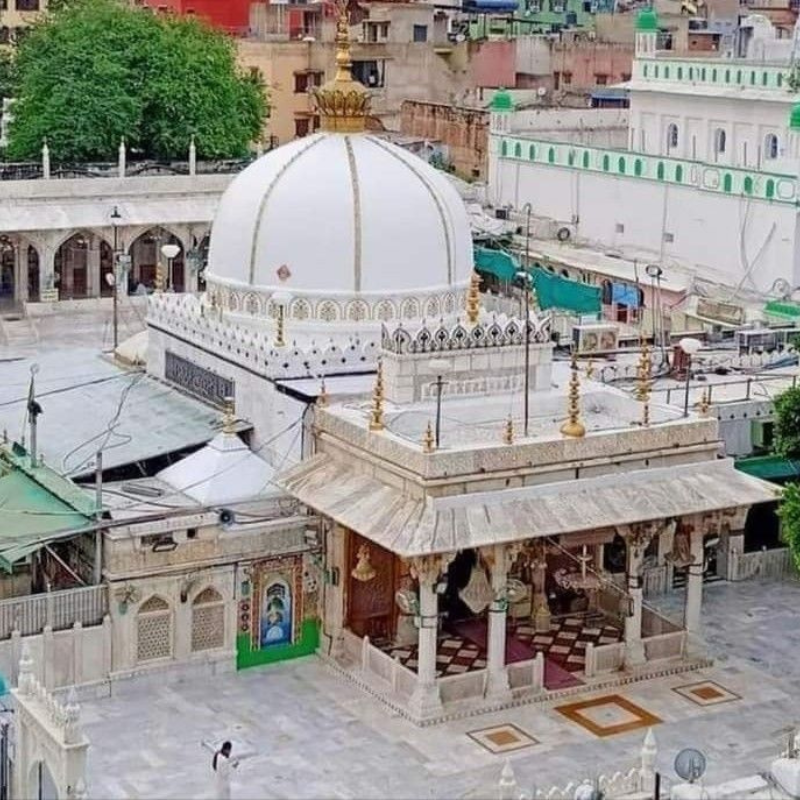
Rajasthan’s Sacred Sufi Shrine
Located in the heart of Ajmer city, surrounded by the rugged Aravalli hills, this magnificent 13th-century shrine is the final resting place of the legendary Sufi saint, Ghazib Nawaz Hazrat Khwaja Moinuddin Chishti.
What makes the Dargah truly extraordinary isn’t just its stunning Mughal architecture—it is a global symbol of peace and unity, where people of all faiths, religions, and backgrounds gather harmoniously to seek blessings.
A Living Center of Mystic Sufi Devotion
Stepping past the grand, towering gates of the Dargah complex feels like entering a completely different world. The air is thick with the soothing scent of burning incense, fresh rose petals, and sandalwood.
Khwaja Moinuddin Chishti was famous for his teachings of universal love, charity, and selflessness. Today, his resting place is a sprawling complex built across generations by various emperors—including Akbar, Shah Jahan, and Jahangir—featuring exquisite white marble courtyards, massive silver doors, and intricate gold-leaf inscriptions.
Top Things to See & Do Inside:
Offer a ‘Chadar’ at the Holy Shrine: The central focus of the Dargah is the saint’s tomb, housed under a spectacular marble dome. Devotees traditional offer a Chadar (a sacred silk cloth woven with golden threads) along with mounds of fresh roses to make a wish or express gratitude.
Listen to the Soulful Evening Qawwali: As night falls, find a spot in the marble courtyard to witness the spellbinding Qawwali (Sufi devotional music). The hereditary musicians sing passionate, mystical poems accompanied by harmoniums and rhythmic hand-clapping that creates an unforgettable spiritual energy.
See the Massive “Degs” (Giant Cooking Cauldrons): Inside the courtyard, you will find two enormous copper cauldrons gifted by Emperor Akbar and Jahangir. These giant pots are used daily to cook Tabarruk (blessed sweet vegetarian food) to feed thousands of poor visitors and pilgrims for free.
Essential Traveler Tips for a Smooth Visit:
Dress Code Requirements: Both men and women must cover their heads before entering the Dargah complex. Carry a clean handkerchief, scarf, or dupatta with you. Additionally, ensure your shoulders and knees are fully covered (avoid shorts or sleeveless tops).
Beware of “Inside Guides” & Scams: Because the Dargah is incredibly crowded, you will be approached by self-proclaimed guides or priests (Khadims) offering quick access or special rituals in exchange for large sums of money. Be polite, firm, and remember that entry to the Dargah is absolutely free. Any donation you wish to make should be dropped directly into the official donation boxes.
Secure Your Belongings: The narrow lanes leading to the shrine (Dargah Bazaar) and the inner courtyards are heavily packed with people. Keep your phones, wallets, and bags securely in front of you to prevent accidental loss or pickpocketing.
Operating Timings: The Dargah gates open early from 5:00 AM to 9:00 PM (with slight variations between the summer and winter months). Visiting during the early morning hours offers a much calmer, less crowded experience.
View Nearby Destinations
- All Events
- Destination


