Bikaner
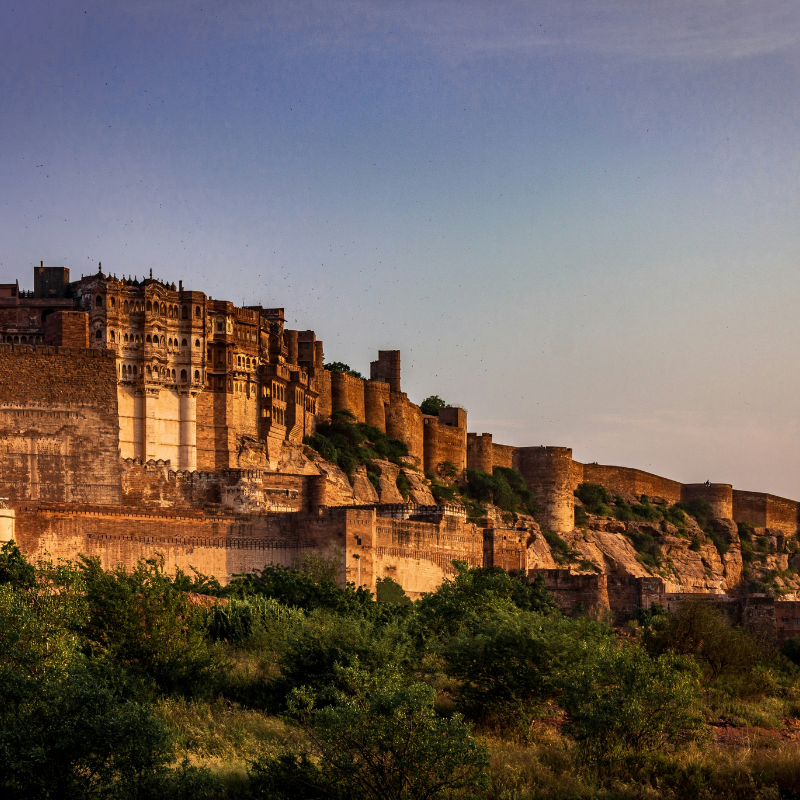
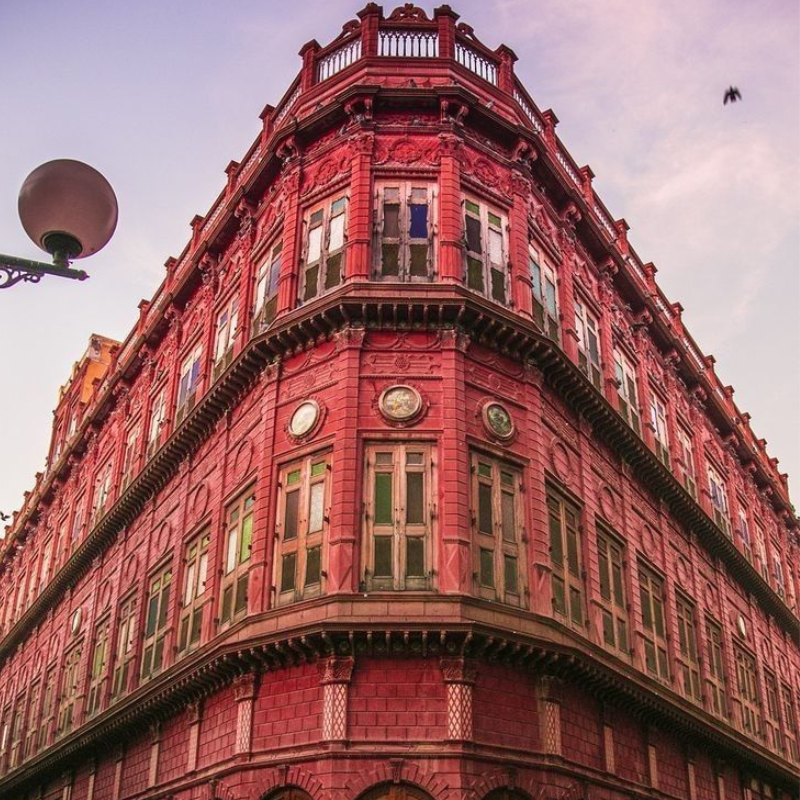
Bikaner Best Places to Visit in Bikaner: The Ultimate Guide to the Camel City Planning a trip to Bikaner? Explore the Camel City with our 2026 guide. We cover the top attractions, Junagarh Fort logistics, and expert travel tips for your authentic Rajasthan desert adventure. Rising from the northern reaches of the Thar Desert in Rajasthan, Bikaner is one of India’s most underrated and authentically preserved desert cities. Known as the “Camel City,” Bikaner was founded in 1488 by Rao Bika, a Rathore prince, and grew into a powerful trading hub on the ancient caravan routes connecting Central Asia with the Indian subcontinent. Unlike the more heavily touristed cities of Jaipur and Jodhpur, Bikaner retains a raw, unhurried character — its grand fort, ornate havelis, living camel culture, and famous culinary traditions offering a deeply rewarding experience for the traveler willing to venture a little further into the desert. Use this 2026 guide to explore Bikaner’s most iconic landmarks, hidden gems, and essential travel tips. Enquire Now Bikaner Gateway: How to Reach the Camel City Planning your arrival? Here is how to reach Bikaner’s top attractions from the city’s major transit hubs. Destination Distance from Bikaner Railway Station (BKN) Distance from Nal Airport (BKB) Best Time to Visit Junagarh Fort ~1 km ~14 km Oct – Mar Lalgarh Palace ~3 km ~16 km Oct – Mar Karni Mata Temple (Deshnok) ~30 km ~42 km Morning National Camel Research Centre ~8 km ~20 km Morning Rampuria Haveli ~1.5 km ~14 km Morning Gajner Palace & Lake ~32 km ~44 km Oct – Feb Laxminath Temple ~1 km ~13 km Morning / Evening Top Bikaner Highlights 1. Junagarh Fort The Vibe: One of the very few major forts in Rajasthan that was never conquered — Junagarh Fort is a sprawling, impeccably maintained complex of palaces, temples, and pavilions built in 1593 by Raja Rai Singh. Unlike the hilltop forts of Jodhpur and Jaipur, Junagarh sits on flat desert ground, which makes its sheer scale and architectural grandeur all the more astonishing. The interiors — decorated with lacquerwork, mirror mosaics, carved sandstone, and painted murals — are among the finest in all of Rajasthan. 2. Rampuria Haveli The Vibe: A breathtaking cluster of early 20th-century merchant havelis built by the wealthy Rampuria family, showcasing a rare and extraordinary fusion of Rajput, Mughal, and colonial European architectural styles carved entirely from the warm red-pink Dulmera sandstone unique to Bikaner. The level of detail in the carvings — from floral motifs and peacocks to European-style balconies and arched windows — is extraordinary and rivals anything found in Jaisalmer or Shekhawati. 3. Karni Mata Temple (Deshnok) The Vibe: One of the most extraordinary and unusual temple experiences in India — the Karni Mata Temple in Deshnok, 30 km from Bikaner, is home to over 25,000 rats that are considered sacred and are worshipped as the reincarnated souls of devotees of the goddess Karni Mata. Spotting a white rat among the thousands of brown ones is considered an especially auspicious blessing. It is a genuinely unique, unforgettable, and deeply fascinating cultural experience unlike anything else in Rajasthan. 4. National Camel Research Centre The Vibe: The only camel research centre of its kind in Asia — a fascinating government-run institution located 8 km from Bikaner that houses hundreds of camels of multiple breeds, conducts research into camel milk, wool, and breeding, and offers visitors an up-close experience with these extraordinary desert animals that have shaped the culture and survival of Rajasthan’s desert communities for centuries. 5. Lalgarh Palace The Vibe: A magnificent red sandstone palace built between 1896 and 1926 by Maharaja Ganga Singh in honour of his father, Maharaja Lall Singh — an outstanding example of Indo-Saracenic architecture that blends Rajput, Mughal, and European influences with exceptional skill. The palace complex includes a heritage hotel, a museum housing a remarkable collection of photographs, manuscripts, and royal memorabilia, and elaborately carved sandstone screens and colonnades throughout its grounds. 6. Gajner Palace & Lake The Vibe: A stunning royal hunting lodge and palace set on the banks of the serene Gajner Lake, approximately 32 km from Bikaner on the Jaisalmer highway. Once a private retreat of Maharaja Ganga Singh, the palace is now a heritage hotel surrounded by a wildlife sanctuary that is home to nilgai, blackbuck, wild boar, and a remarkable variety of migratory birds — including the imperial sand grouse that once attracted hunters from across the British Empire. Top Bikaner Highlights Junagarh Fort A formidable fort with impressive courtyards and mirrored halls. National Research Centre on Camel One of the few camel farms/research centers in the world. Deshnoke The town where the Karni Mata Temple is located. Karni Mata Temple Famous for being home to thousands of sacred, protected rats. Gajner Palace A former hunting lodge situated beside a tranquil lake. Kolayat A sacred site with a temple and a lake, often a stop for pilgrims. Lalgarh Palace A red sandstone palace that showcases exquisite Bikaner architecture. Rampuria Haveli Known as the “pride of Bikaner” for its intricate red sandstone art. Frequently Asked Questions (FAQ) How many days do I need in Bikaner? 2 days is sufficient to cover the main attractions comfortably. Spend Day 1 at Junagarh Fort, Rampuria Haveli, and the old city lanes. Use Day 2 for a morning visit to the Karni Mata Temple in Deshnok and the National Camel Research Centre, followed by an afternoon at Lalgarh Palace. If time allows, add a half-day trip to Gajner Lake before departing. What is the best time to visit Bikaner? October to February is the best time to visit. The weather is dry and cool with pleasant daytime temperatures between 10°C and 25°C. The Bikaner Camel Festival, held annually in January, is one of the most vibrant and photogenic cultural events in Rajasthan and a compelling reason to time your visit accordingly. Avoid March to June when desert temperatures regularly exceed 40°C. What is Bikaner famous for food? Bikaner has an extraordinarily