Author name: yash soman

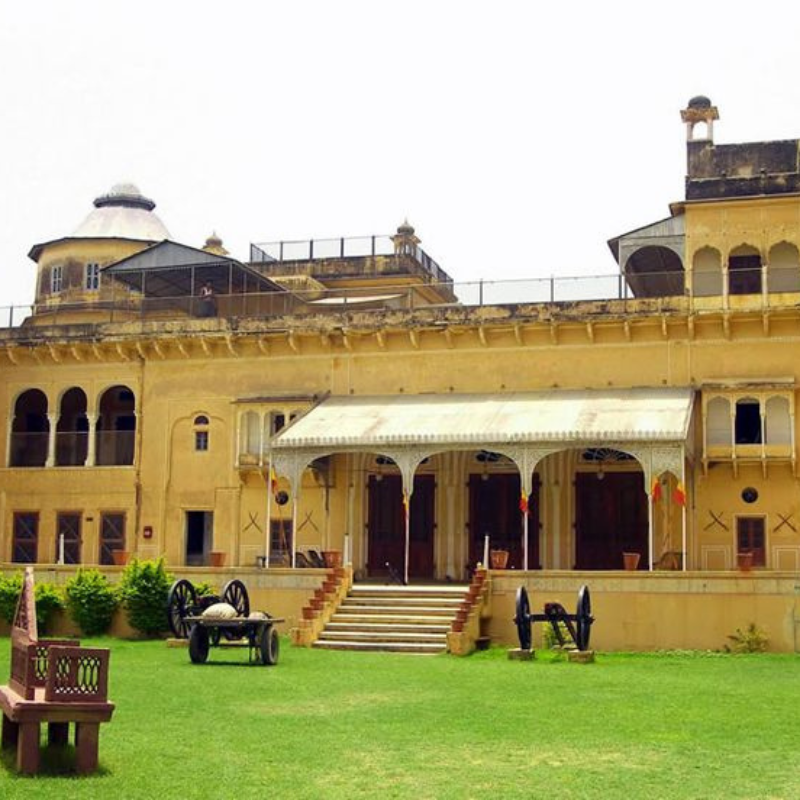
The impressive Dundlod Fort and a stable featuring traditional Marwari horses
Destination

Dundlod

Dundlod Dundlod: Tucked away in the Jhunjhunu district of northern Rajasthan, Dundlod is a remarkably well-preserved heritage town that embodies the true old-world charm of the Shekhawati circuit. Established in the mid-18th century under the Rajput lines of the Shekhawat clan, this quiet town avoids the commercial rush of larger tourist destinations, offering travelers an intimate, uninterrupted look back into the era of grand Havelis, imposing forts, and elite cavalry culture. Beyond its magnificent fresco artwork, Dundlod holds a legendary reputation worldwide as the equestrian capital of the region. It is highly celebrated for housing specialized heritage studs dedicated entirely to breeding and conserving the magnificent, rare Marwari horse—the indigenous battle steed of the Rajputs recognized instantly by its unique, inward-curving ears. Dundlod’s historical landscape centers entirely around Dundlod Fort, constructed in 1750 by Thakur Keshri Singh. This formidable stronghold features an architectural layout designed to withstand medieval sieges, surrounded by a deep moat, heavy iron-studded wooden gates, and high stone battlements. Over the generations, the rulers of Dundlod blended their military fort with luxurious European and Mughal design touches. Today, the fort has been masterfully converted into a world-class heritage hotel that doubles as the base camp for legendary multi-day horse safaris. Travelers can saddle up on fine Marwari horses to ride out across the surrounding golden desert dunes, following the exact paths walked by ancient merchant caravans. Top Havelis and Historical Landmarks to Explore: Explore the Diwan-i-Khas at Dundlod Fort: Step into the fort’s magnificent public audience hall. The room is a visual masterpiece packed with fine antiques, historical family portraits, stained-glass windows, and an extensive library of rare medieval manuscripts and armor. Marvel at the Chokhani Haveli: Located close to the fort gates, this sprawling merchant complex features exceptionally vibrant and intact fresco paintings. Look up at the outer cornices to spot detailed murals illustrating traditional historical scenes alongside playful, early 20th-century depictions of British lifestyle. Visit the Satyanarayan Temple: Built by a wealthy merchant family, this grand religious structure features massive arched galleries. Its interior walls and ceilings are entirely blanketed in exquisite, colorful frescoes depicting stories of Lord Vishnu, matching the finest street art found in Shekhawati. Discover the Jagathia Haveli: An architectural gem famous for its highly delicate line art and gold-leaf details. The inner courtyards provide a remarkably peaceful space to examine how early natural mineral pigments have retained their brilliance after centuries of exposure to the desert weather. View Nearby Destinations All Events Destination Dundlod Deshnoke Saheliyon-ki-Bari Jag Mandir Shilpgram Jaigarh Fort Load More End of Content.
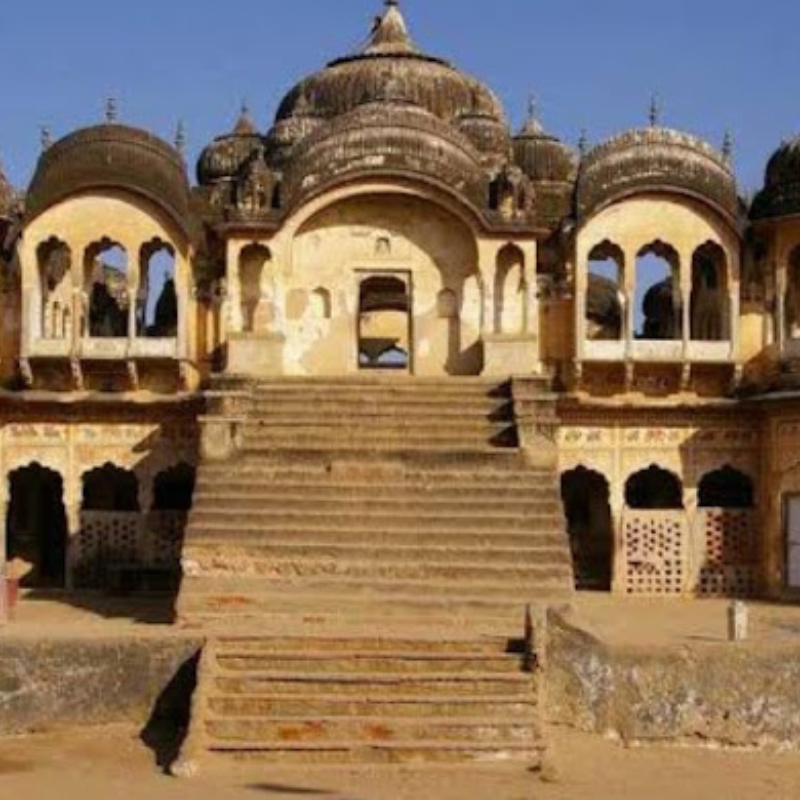
Grand and massive red sandstone merchant mansions in the desert city of Churu
Destination

Churu

Churu Churu: Serving as the eastern entry point to the sweeping dunes of the Thar Desert, Churu is an incredible heritage town that forms a critical vertex of the historic Shekhawati cultural circuit. Established in the early 17th century by the Kaimkhani rulers and later prominently developed as a major trade center by prosperous Oswal and Marwari merchant guilds, Churu is a paradise for travelers seeking an authentic, unhurried look into Rajasthan’s architectural golden age. While neighboring towns are famous for clustered streets, Churu stands out for its grand scale. The town features exceptionally wide sandy avenues, massive multi-story mansions with hundreds of continuous windows, and architectural marvels engineered specifically to conquer the extreme desert climate. Churu’s strategic location along major caravan trade routes connecting the ports of Gujarat to northern India allowed its local merchant families—such as the Poddars, Kotharis, and Baglas—to accumulate astronomical wealth. They funneled these fortunes directly into building residential mini-palaces called Havelis. The frescoes of Churu are remarkably detailed, utilizing high-quality natural minerals and imported pigments. As you walk past the grand foundations, the artwork transitions from deep spiritual themes to whimsical historical commentary, capturing the exact moment Western technology reached the desert edge through depictions of trains, gramophones, and British officers. Top Things to See & Do Inside: Marvel at the Kothari Haveli (Malji Ka Kamra): An absolute architectural masterpiece. Built around 1920 by Malchand Kothari, this grand palace features a striking, unique fusion of Rajput and European architecture. Its green-and-white facade is famous for its tiered, wedding-cake style balconies, pillars, and beautifully sculpted stucco figures. Discover the Surana Double Haveli: Built in 1870 for two brothers of the wealthy Surana family, this massive structure is famously called the “Mansion of Windows.” The sprawling compound features an incredible 1,111 windows and doors designed to capture the slightest desert breeze while keeping the inner courtyards private. Walk Along the Poddar Havelis: This historic cluster houses some of the most vibrant, well-preserved traditional artwork in the town. The exterior walls are completely blanked in rich gold, red, and indigo indigo plaster murals showcasing royal wedding processions and mythological tales. Visit Sethani Ka Johara: Located just a few kilometers outside the town center, this magnificent, historic water reservoir (johara) was built in 1899 by the widow of Bhagwandas Bagla to combat a severe regional drought. It features a grand network of white stone chhatris (cenotaphs) and symmetric steps, creating an oasis-like sanctuary for desert birds. View Nearby Destinations All Events Destination Churu Deshnoke Saheliyon-ki-Bari Jag Mandir Shilpgram Jaigarh Fort Load More End of Content.
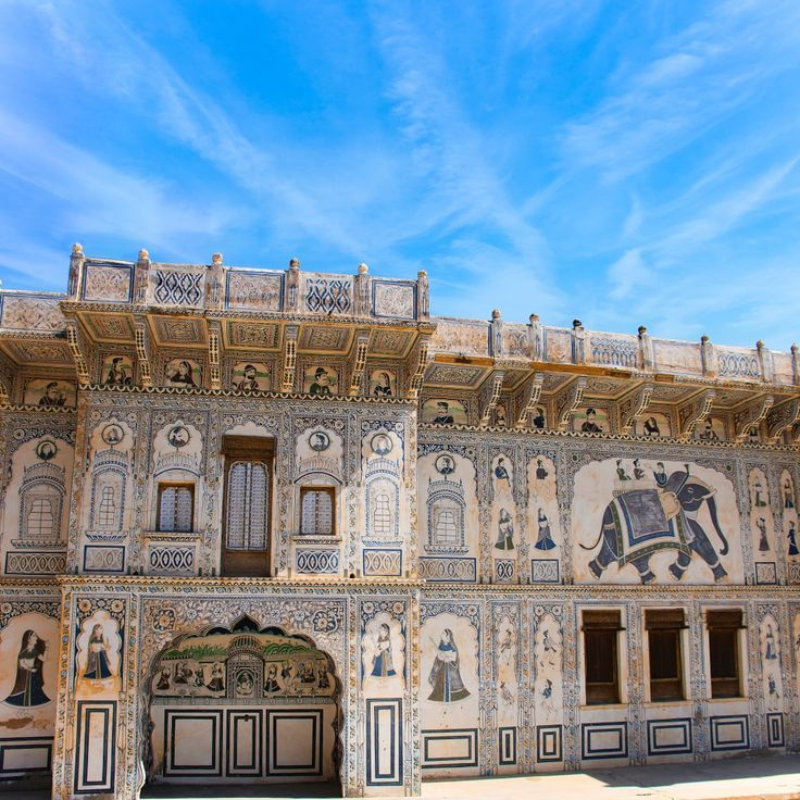
Intricate murals and the facade of Nadine Prince Haveli in Fatehpur Rajasthan
Destination

Fatehpur

Fatehpur Fatehpur: Located in the Sikar district of northern Rajasthan, Fatehpur is an extraordinary heritage town that contains some of the most artistically daring and visually striking fresco art in the entire Shekhawati region. Established in 1451 by the Kaimkhani ruler Fateh Khan, it serves as an open-air canvas that documents the fascinating rise and fall of the great desert merchant empires. While neighboring towns like Mandawa and Nawalgarh are famous for their traditional artwork, Fatehpur is widely celebrated by art historians for its unconventional color palettes and European influences. Here, local master artisans broke away from traditional red and ochre tones, heavily utilizing imported Belgian indigo and deep turquoise pigments to paint highly dramatic, beautifully detailed murals across the town’s massive mansions. The French Restoration That Saved a Masterpiece Fatehpur’s place on the modern global tourism map is heavily intertwined with a remarkable story of cross-cultural conservation. By the late 20th century, many of the town’s magnificent merchant mansions had been completely abandoned by their wealthy owners, leaving the historic frescoes to crumble under the harsh desert sun. In 1999, a French artist named Nadine Le Prince fell in love with the town’s endangered heritage. She purchased the historic Nadine Le Prince Haveli (originally built in 1802 by the Devra family) and embarked on a massive, decades-long scientific restoration project. Using traditional eco-friendly binders like lime plaster and natural vegetable dyes, she single-handedly revived the mansion, converting it into a stunning cultural center that serves as a shining blueprint for heritage conservation across India. Top Painted Havelis and Monumets to Explore: Marvel at the Nadine Le Prince Haveli: The absolute crown jewel of Fatehpur. Step inside its twin courtyards to see pristine, fully restored murals showcasing traditional mythological stories seamlessly juxtaposed with modern tribal art installations, an active artist residency, and a beautiful gallery space. Explore the Singhania Haveli: This is an architectural marvel built on a truly colossal scale. The outer walls are famous for their wacky, whimsical turn-of-the-century illustrations—including long processions of British colonial soldiers, steam-powered trains, and highly dramatic portraits of merchant tycoons. Visit the Kanhaiya Lal Bagla Haveli: This building houses some of the most visually complex and detailed romantic artwork in the region. Look closely at the walls to see beautiful, sweeping narrative panels depicting the tragic desert love story of Dhola-Maru alongside scenes from the epic Ramayana. Discover the Dwarkadheesh Temple: Built by a wealthy merchant family in the 19th century, this grand temple complex features sweeping ceilings and large interior domes completely blanketed in vibrant, unbroken fresco paintings dedicated to Lord Krishna. View Nearby Destinations All Events Destination Fatehpur Deshnoke Saheliyon-ki-Bari Jag Mandir Shilpgram Jaigarh Fort Load More End of Content.
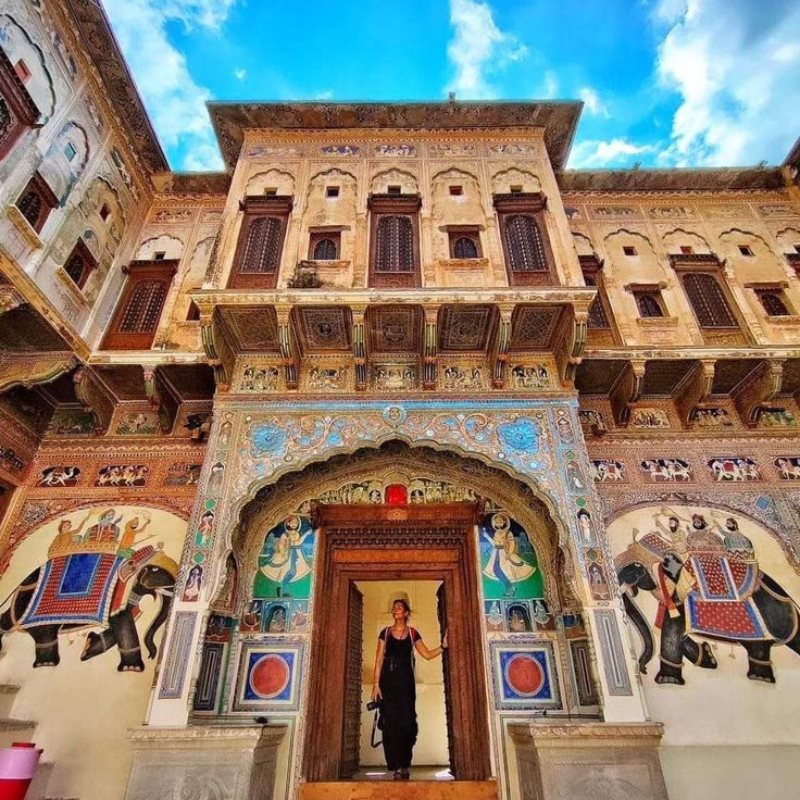
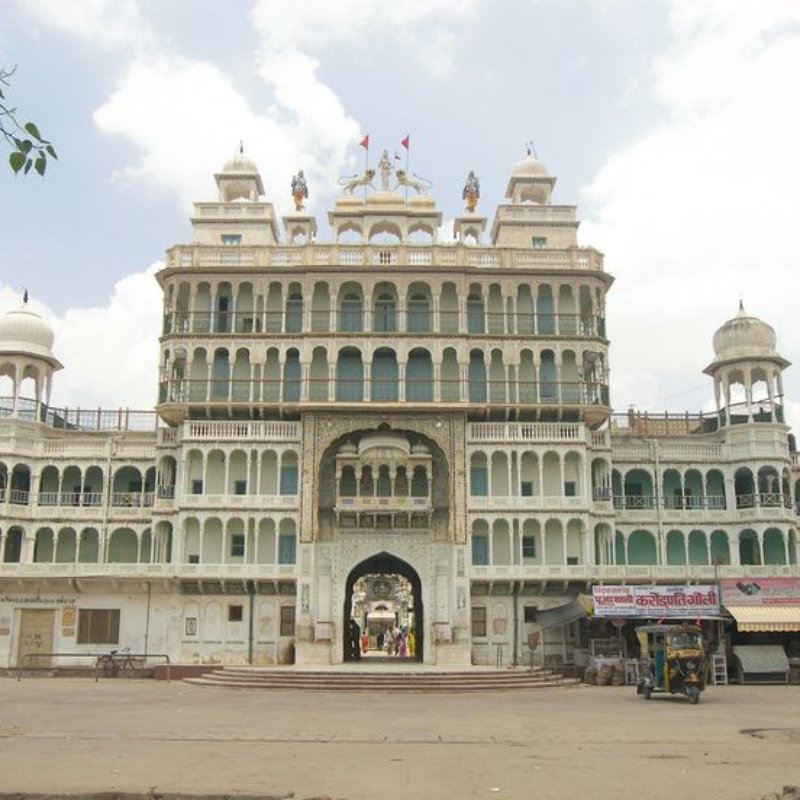
Historic buildings and traditional architecture in Jhunjhunu, the capital of Shekhawati
Uncategorized

Jhunjhunu

Jhunjhunu Jhunjhunu: The Historic Capital of the Shekhawati Region Serving as the large, foundational headquarters of the entire Shekhawati region, Jhunjhunu is a dynamic heritage city that perfectly anchors northern Rajasthan’s cultural landscape. Unlike the smaller, quieter museum-towns of Mandawa or Nawalgarh, Jhunjhunu is a bustling trade center where ancient history seamlessly coexists with thriving local life. Established originally by the Kaimkhani Nawabs in the 15th century and later beautifully developed by the brave Shekhawat Rajputs, the city is a treasure trove of grand architecture. It is uniquely famous for housing architectural marvels with complex wind-engineering tunnels and vast temple complexes constructed entirely out of pristine multi-story stone. Jhunjhunu’s historical significance is beautifully anchored by the Khetri Mahal, an extraordinary, open-air stone palace built in 1770 by Maharao Bhopal Singh. This structure holds a legendary place in Indian design history: it is widely recognized as the direct architectural inspiration behind Jaipur’s world-famous Hawa Mahal. The building was brilliantly engineered without traditional solid walls, doors, or heavy stone windows. Instead, it utilizes an intricate labyrinth of open arched columns and sweeping balconies designed to capture the dry desert breezes, naturally channeling them upward to keep the royal chambers cool during intense summer heatwaves. Top Things to See & Do Inside: Explore the Khetri Mahal: Climb the wide, unpaved indoor stone ramps—originally built so kings could ride their horses straight up to the terraces. The palace offers a mesmerizing view of the city and features an architectural layout of pillars and vaults that feels like a stone maze. Visit the Massive Rani Sati Temple: This is one of the largest and most widely recognized temple complexes in northern India. Constructed out of gleaming white marble and multi-tiered pastel galleries, it features grand courtyards and intricate glasswork artwork dedicated to Rani Sati, attracting thousands of daily visitors. Admire Modi Haveli and Kaniram Narsinghdas Tibrewal Haveli: Walk through the old quarters to find these stunning residential masterpieces. The courtyards are completely swathed in well-preserved frescoes depicting traditional mythological themes, imperial royal parades, and playful, historic depictions of early European soldiers. Discover the Mertani Ji Ki Baori: This is an exceptionally deep, grand stepwell built in 1783 by Queen Mertani. It features an array of symmetric stone staircases, subterranean rest rooms, and carved arches designed to conserve precious rainwater for the desert community. View Nearby Destinations All Events Destination Deshnoke Saheliyon-ki-Bari Jag Mandir Shilpgram Jaigarh Fort Nathmal Ki Haveli Load More End of Content.

Intricate fresco paintings on the walls of ancient merchant mansions in Nawalgarh
Destination

Nawalgarh

Nawalgarh Nawalgarh: Often called the “Open-Air Art Gallery of Rajasthan,” Nawalgarh is arguably the most vibrant and architecturally dense town in the entire Shekhawati region. Founded in 1737 by Thakur Nawal Singh, it evolved from a secure, walled military outpost into a massive hub for wealthy Marwari merchants who expressed their fortunes directly onto the walls of their sprawling mansions (havelis). What makes Nawalgarh spectacular is the sheer concentration of preserved fresco art, which blends traditional Rajput style, Mughal aesthetics, and unexpected British colonial influences. The Key Highlights: 1. Dr. Ramnath A. Podar Haveli Museum Built around 1902, this is the crown jewel of restored havelis in Shekhawati. It spans a massive footprint and houses over 750 brilliant frescoes. What to look for: The murals here document a fascinating transition era. Alongside scenes of Lord Krishna’s Raas Leela, you will see early 20th-century technology like steam engines, hot-air balloons, and even a depiction of the Wright brothers’ first flight. 2. Morarka Haveli Located just a short walk from the Podar Museum, Morarka offers a completely different, raw energy. Unlike many others, it was never heavily restored, allowing you to appreciate the original, rustic 19th-century pigments. What to look for: Look closely at the outer arches to spot a rare fusion of cultures—such as portraits of Queen Victoria and tiny European-style cherubs painted right beside Indian nymphs. 3. Aath Haveli Complex “Aath” translates to eight, representing a spectacular interconnected cluster of mansions built by a single wealthy merchant family. What to look for: The western walls feature brilliant, sweeping panoramas of elephants, camels, and a heavily detailed motif focused entirely on early modes of transportation. 4. Bala Kila Fort (Nawalgarh Fort) The historic core around which the town grew. While parts of the outer structure have modern adaptive uses today, the second-floor Sheesh Mahal (Palace of Mirrors) is a masterpiece. The circular ceiling features thousands of tiny mirrors alongside intricate 18th-century painted maps of Jaipur and Nawalgarh. View Nearby Destinations All Events Destination Nawalgarh Deshnoke Saheliyon-ki-Bari Jag Mandir Shilpgram Jaigarh Fort Load More End of Content.
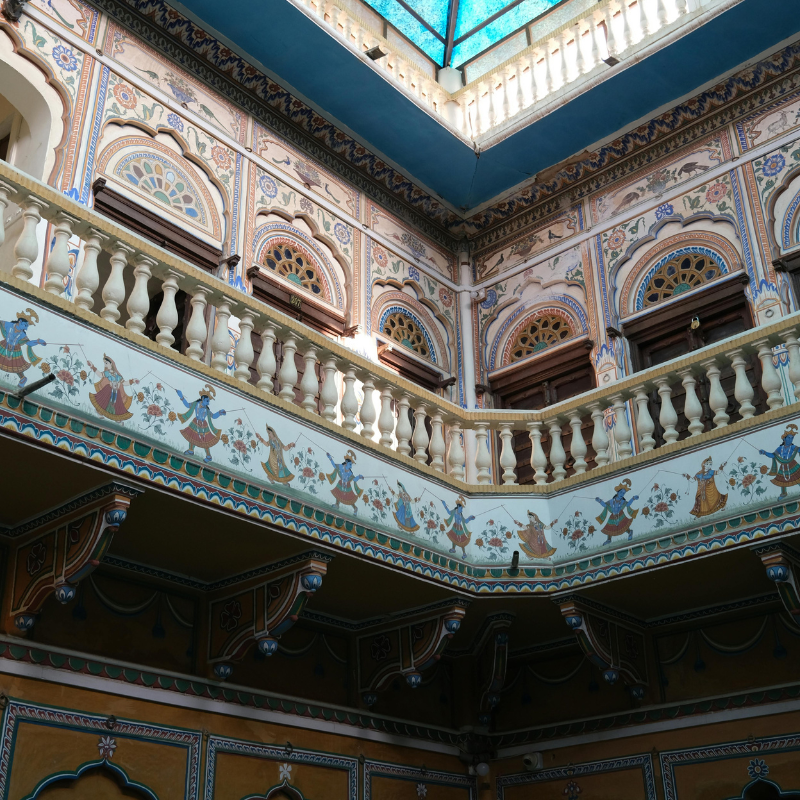
Colorful painted havelis and open-air art galleries in Mandawa Shekhawati
Destination

Mandawa

Mandawa Mandawa: The Open-Air Art Gallery of Rajasthan Nestled in the heart of the historic Shekhawati region in northern Rajasthan, Mandawa is a captivating boutique town that feels like stepping directly into a living, breathing time capsule. Established in the mid-18th century as a fortified outpost along a bustling ancient silk trading route, it quickly transformed into a wealthy hub where elite merchant families (Marwaris) competed to build the grandest, most opulently decorated mansions imaginable. Today, Mandawa is globally celebrated as a magnificent “Open-Air Art Gallery.” Virtually every square inch of the town’s historic buildings—from massive fort gateways to intimate residential courtyards—is blanketed in vibrant, hand-painted frescoes that showcase a fascinating blend of traditional mythology and rapid turn-of-the-century modernization. The Wealthy Silk Road Outpost Mandawa’s architectural boom began under the protective rule of the Shekhawat Rajputs, who constructed a formidable fort in 1755 to safeguard wealthy traders moving goods between the ports of Gujarat and the major trading hubs of Central Asia. As business boomed, the local merchants (Marwaris) constructed magnificent mansion-compounds called Havelis. To display their immense success to the world, they hired master local artisans (Chhipas) to paint their walls with stunning murals. The painting techniques evolved beautifully over time: early 18th-century murals focused heavily on traditional religious themes, while late 19th-century works began incorporating wacky, whimsical depictions of British inventions like steam trains, motor cars, gramophones, and early aircraft that the artists had often only heard about through travelers’ stories. Top Painted Havelis and Sites to Explore: Discover Castle Mandawa: Standing right in the center of the town, this 18th-century fortress features grand ramparts, beautiful archways, and a wealth of antique royal weapons. The fort has been lovingly converted into a premium heritage hotel, allowing visitors to dine amidst royal portraits or explore its scenic terraces. Marvel at the Murmuria Haveli: This is an absolute paradise for fans of unique art fusion. Painted around the 1930s, this mansion features highly famous murals showcasing a train chugging past a traditional village, a unique depiction of the deity Lord Krishna handling a modern camera, and early canvas-winged airplanes flying over desert dunes. Explore the Hanuman Prasad Goenka Haveli: This building houses some of the most intricate, visually rich mythological artwork in the region. Look up at the entrance archways to see highly detailed paintings depicting Lord Shiva riding his divine bull Nandi and the famous multi-headed demon king Ravana. Visit the Chokhani Double Haveli: Built as two identical, interconnected wings for the families of two wealthy brothers, this massive compound features beautifully preserved courtyards, grand floral wooden doors, and vibrant frescoes that have retained their rich colors for over a century. View Nearby Destinations All Events Destination Mandawa Deshnoke Saheliyon-ki-Bari Jag Mandir Shilpgram Jaigarh Fort Load More End of Content.
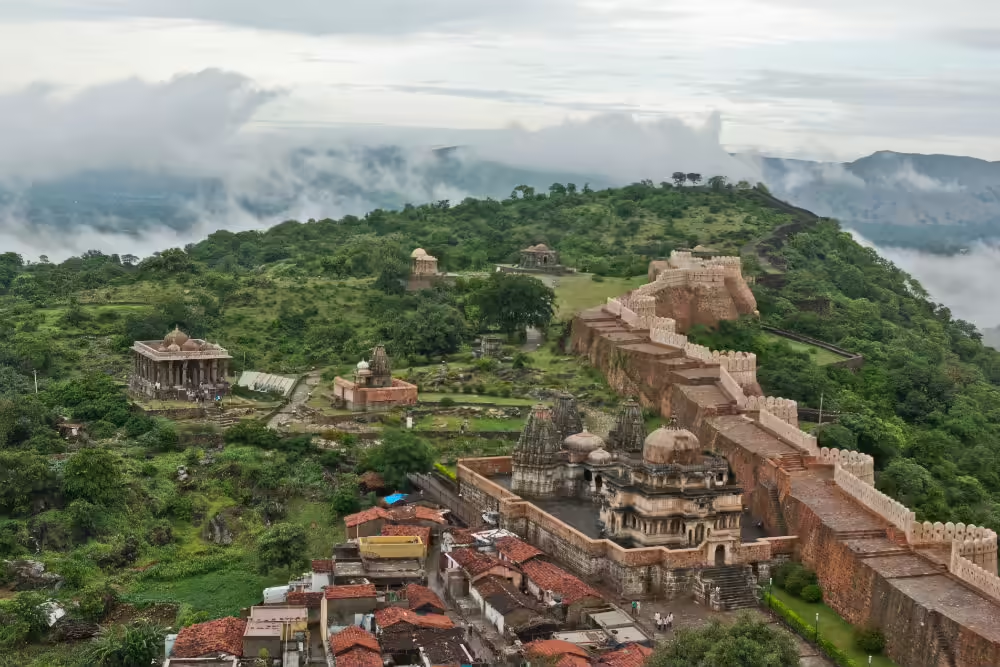
Destination

Kumbhalgarh Wildlife Sanctuary

Kumbhalgarh Wildlife Sanctuary Kumbhalgarh Wildlife Sanctuary: Sprawling across the ridges of the ancient Aravalli Range, the Kumbhalgarh Wildlife Sanctuary is one of Rajasthan’s most visually spectacular and historically charged wilderness reserves. Covering more than 600 square kilometers across the Udaipur, Pali, and Rajsamand districts, this sanctuary serves as a stark contrast to the surrounding Thar Desert, acting as a lush green buffer zone filled with deep gorges, rocky tracks, and rich biodiversity. What makes this sanctuary completely unforgettable is how it intertwines with imperial Rajput history. The entire forest encircles the colossal Kumbhalgarh Fort, meaning your jungle trails track beneath the longest continuous fort wall in the world—a massive stone structure second only to the Great Wall of China. Before it was declared a wildlife sanctuary in 1971, these rugged valleys served as the highly exclusive royal hunting grounds for the Maharajas of Udaipur and Mewar. The deep, isolated gorges of this specific Aravalli pocket provided incredible tactical safety throughout history; it was the historic hiding spot where a young Prince Udai Singh (the founder of Udaipur) was smuggled for safety during medieval palace coups. The sanctuary features a dry deciduous forest dominated by Dhok, Sal, and herbal plants. Because it receives water from seasonal mountain streams that feed into the Sabarmati river basin, this unique microclimate sustains a dense animal population that relies on the thick rocky hillsides for camouflage. Top Things to See & Do Inside: Go on a Four-Wheel-Drive Jungle Safari: Hop into an open-top 4×4 Gypsy to navigate the rough, unpaved tracks that crisscross the hills. The safari route traditionally runs from the Kumbhalgarh sector through the core forest area to Ranakpur, offering an incredible cross-mountain drive. Track the Elusive Indian Wolf: Unlike other reserves in India where tigers dominate, Kumbhalgarh is highly celebrated for supporting a healthy, breeding population of the highly endangered Indian Wolf. Spotting these intelligent, pack-hunting predators moving through the rocky foothills is a massive highlight for wildlife enthusiasts. Birdwatch Along Thandi Beri: Make a stop at Thandi Beri, a scenic water reservoir located deep inside the forest lines. It serves as a vital watering hole where you can easily spot marsh crocodiles sunbathing alongside migratory waterbirds, grey jungle fowl, and peacocks. Spot Native Predators and Herbivores: Keep your cameras focused on the rocky ledges and thick brush. The sanctuary holds a thriving population of Indian leopards, striped hyenas, sloth bears, jungle cats, sambar deer, nilgai (blue bulls), and the unique, highly agile Four-Horned Antelope (Chausingha). View Nearby Destinations All Events Destination Kumbhalgarh Wildlife Sanctuary Deshnoke Saheliyon-ki-Bari Jag Mandir Shilpgram Jaigarh Fort Load More End of Content.
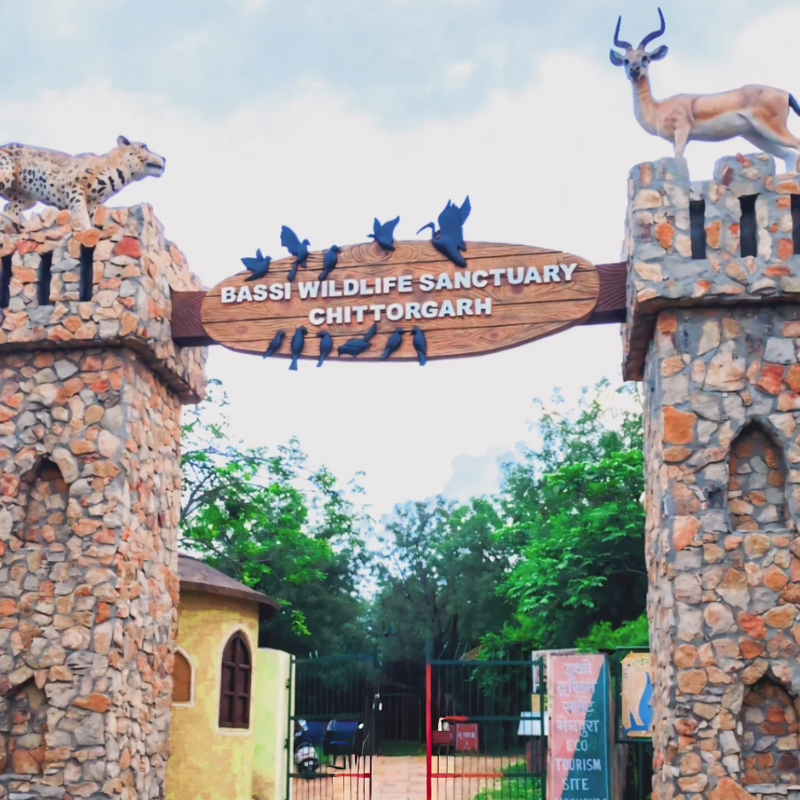
Trekking trails and panthers at Bassi Wildlife Sanctuary near Chittorgarh
Destination

Bassi Wildlife Sanctuary

Bassi Wildlife Sanctuary Bassi Wildlife Sanctuary: Situated on the western fringes of the Vindhyachal mountain range in the Chittorgarh district, Bassi Wildlife Sanctuary is one of Rajasthan’s most peaceful and pleasantly uncrowded natural preserves. Sprawling across an area of roughly 150 square kilometers, this sanctuary features a beautiful landscape of gentle rolling hills, deep channels, and lush, dry deciduous forests. What makes Bassi exceptionally charming for travelers is its wonderful aquatic ecosystem. The park boundaries enclose two major reservoirs—the Bassi Dam and the Orai Dam—transforming the dry terrain into a scenic, oasis-like sanctuary where the forest canopy reflects beautifully off the wide lake waters. Established officially as a protected wildlife sanctuary in 1988, the woodlands of Bassi historically served as an important water catchment and forest reserve under the local rulers of the Bassi feudal estate. The presence of continuous, sweet water bodies ensures that the sanctuary remains vibrant even when the rest of the desert state begins to heat up. Dense groves of Dhok trees (Anogeissus pendula), Chhandal, and seasonal flame-of-the-forest trees drape the hillsides, providing an ideal, completely natural shelter for a diverse community of native Indian animals and visiting waterbirds. Top Things to See & Do Inside: Take a Lakeside Jungle Drive: Visitors can drive through the designated forest pathways in private vehicles or local safari jeeps. The tracks run close to the edges of the dams, offering an incredible, unobstructed view of the water where herds of deer gather in the late afternoons to drink. Spot Elusive Indian Predators: While the park is remarkably quiet, it holds a very healthy population of native carnivores. If you explore patiently, you stand a fantastic chance of spotting Indian leopards, striped hyenas, jackals, jungle cats, and the highly elusive sloth bear. Birdwatch Along the Reservoirs: The marshy shores of the Orai and Bassi dams are a paradise for birdwatchers. During the winter, the open waters fill with a vibrant mix of migratory and resident birds, including painted storks, spoonbills, herons, pelicans, and nesting colonies of cranes. Observe Indian Herbivores: The sanctuary is densely populated with beautiful herds of spotted deer (chital), sambar deer, wild boars, and the unique Four-Horned Antelope (Chausingha), which relies on the hilly forest paths for safety. View Nearby Destinations All Events Destination Bassi Wildlife Sanctuary Deshnoke Saheliyon-ki-Bari Jag Mandir Shilpgram Jaigarh Fort Load More End of Content.
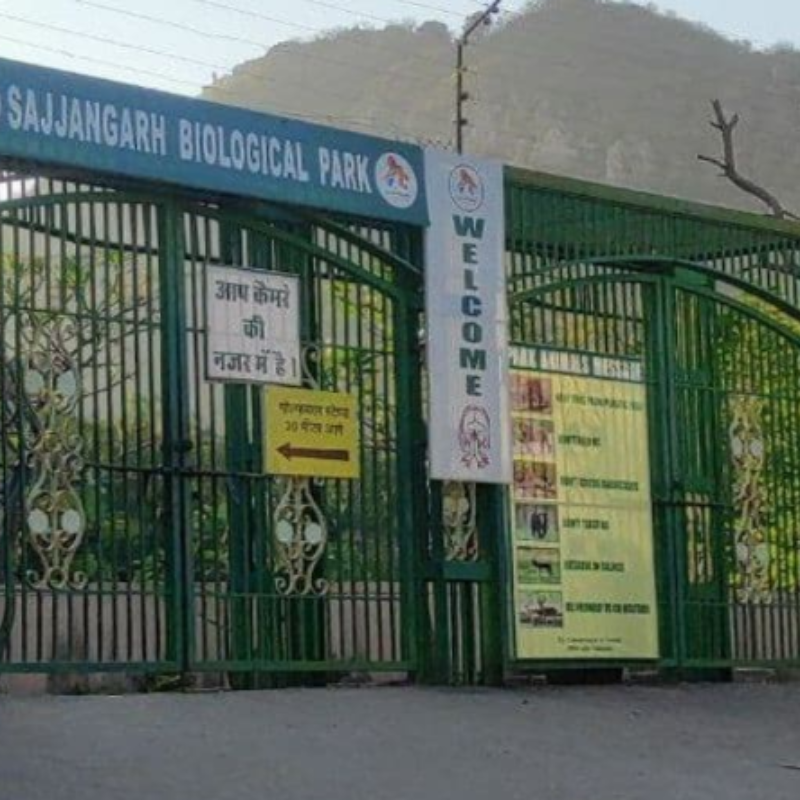
Diverse fauna and enclosures at Sajjangarh Biological Park Udaipur
Destination

Sajjangarh Biological Park

Sajjangarh Biological Park Sajjangarh Biological Park: The Modern Zoological Sanctuary of Udaipur Situated right at the foothills of the famous Bansdara mountain peak in Udaipur, the Sajjangarh Biological Park is a beautifully managed, modern zoological sanctuary. Sprawling across roughly 36 hectares of lush, dry deciduous forest terrain, this park was created to provide a spacious, natural habitat for the region’s diverse wildlife while giving travelers a refreshing alternative to standard stone-and-iron zoos. Located directly below the iconic Sajjangarh Monsoon Palace, the biological park is framed by the rolling greenery of the Aravalli hills. It serves as an exceptional day-trip destination for families, nature lovers, and wildlife photographers who want to observe India’s top predators and native herbivores in large, open-moat enclosures that closely mimic their wild environments. Opened officially to the public in 2015, the park was built by the Rajasthan Forest Department to safely house animals relocated from the historic, yet cramped, Gulab Bagh Zoo in the old city. The layout was engineered with sustainability and animal welfare in mind. The park features a continuous, well-paved 4-kilometer loop road that winds gently past distinct wildlife zones. To minimize carbon emissions and noise pollution inside the sanctuary, traditional fuel vehicles are strictly banned past the gates. Visitors can instead choose to explore the shaded paths via quiet electric vehicles or by renting bicycles, allowing the gentle sounds of the forest to remain undisturbed. Top Things to See & Do Inside: Observe the Big Cats: The major highlights of the park are the large, naturally landscaped enclosures for apex predators. Keep your eyes open to spot the powerful Royal Bengal Tigers, Asiatic Lions, and highly agile Indian Leopards moving through the grassy shade or resting near their personal water pools. Walk the Aviary and Reptile Trails: Explore the dedicated aviary zones to see a vibrant mix of native and exotic birds. Nearby, the specialized reptile house provides an up-close look at massive Indian rock pythons, cobras, and monitor lizards. Spot Native Indian Herbivores: As you navigate the loop, you will pass spacious sectors dedicated to India’s diverse herbivore populations. It is incredibly easy to photograph majestic Himalayan black bears, sloth bears, striped hyenas, jackals, sambar deer, chital (spotted deer), blackbucks, and wild boars. Pair with the Monsoon Palace View: Because the park sits directly at the base of the mountain, you can easily look up to see the white marble walls of the Monsoon Palace crowning the peak. The park’s ticket counter sits right next to the forest checkpoint where vehicles depart for the mountaintop, making it incredibly simple to combine both adventures. View Nearby Destinations All Events Destination Sajjangarh Biological Park Deshnoke Saheliyon-ki-Bari Jag Mandir Shilpgram Jaigarh Fort Load More End of Content.
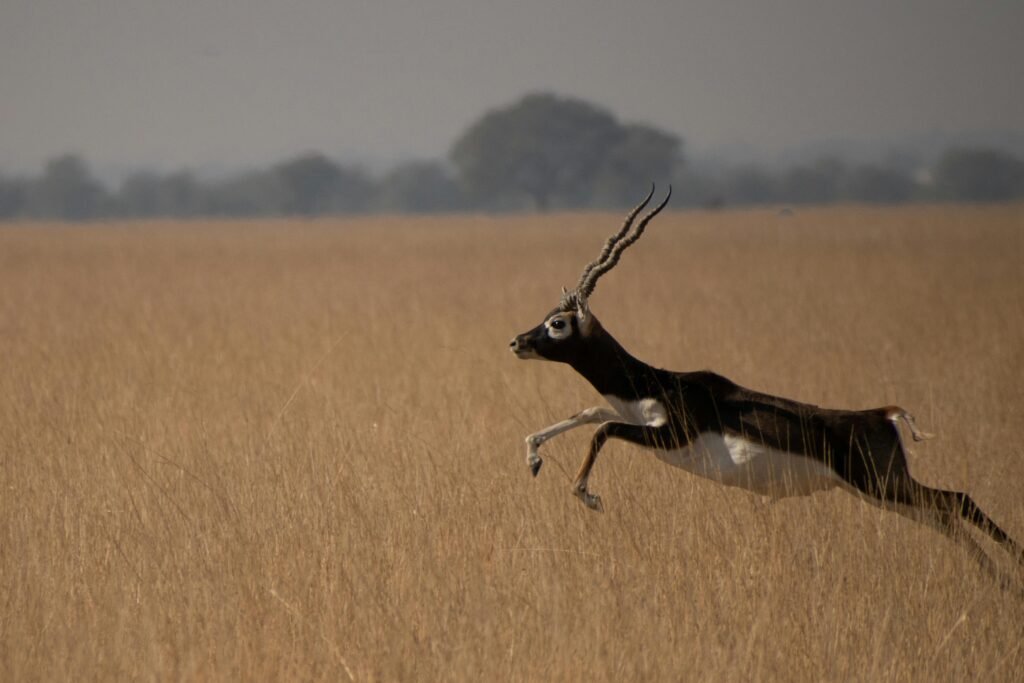
Tal Chhapar Sanctuary
Destination

Tal Chhapar Sanctuary

Tal Chhapar Sanctuary Tal Chhapar Sanctuary: Located in the Churu district of northwestern Rajasthan, on the fringes of the great Thar Desert, Tal Chhapar Sanctuary is an exceptionally unique, flat grassland paradise. Sprawling across less than 8 square kilometers, this compact reserve is widely celebrated as one of the finest and most stable habitats for the elegant Blackbuck in India. The word Tal translates to “flat land” in the local dialect, perfectly describing the sanctuary’s vast, open savanna-like topography. Stripped of dense jungle trees or steep mountain cliffs, Tal Chhapar features a stunning sea of golden Mothiya grass, creating an African Serengeti-style landscape right in the heart of rural Rajasthan. Long before it was designated a protected wild sanctuary in 1962, Tal Chhapar served as the private hunting grounds and game preserve for the Maharajas of Bikaner. The royal family highly prized the area for its incredible concentration of fast-running antelopes and migratory game birds. The secret to the sanctuary’s rich wildlife density lies in its special soil chemistry and native flora. The flat basin accumulates rainwater during the brief monsoon, which helps sprout Mothiya grass. The name of this grass derives from the word Moti (Pearl), because its sweet, highly nutritious seed heads look like tiny pearls. This vegetation provides an endless, ideal food supply for thousands of resident herbivores. Top Things to See & Do Inside: Observe the Thriving Blackbuck Herds: Because the terrain is completely flat and open, wildlife viewing here is completely unobstructed. You can easily spot herds of hundreds of blackbucks leaping gracefully across the golden plains, with the jet-black adult males flashing their spectacular, corkscrew-like spiral horns. Track Rare Birds of Prey (Raptor Capital): Tal Chhapar is globally famous among birdwatchers as a prime wintering ground for majestic raptors flying along the Central Asian Flyway. You can easily photograph tawny eagles, steppe eagles, eastern imperial eagles, laggar falcons, and various species of harriers resting openly on the low shrubs or ground. Spot the Elusive Desert Fox and Desert Cat: Keep your cameras focused on the grass line to catch a glimpse of the sanctuary’s smaller, highly specialized predators. The park supports a healthy population of gorgeous white-tailed desert foxes, Bengal foxes, and rare Indian desert cats hunting for rodents. Watch the Massive Demoiselle Crane Flocks: During the winter months, the nearby salt pans and grasslands fill with the loud, musical trumpeting of thousands of migratory Demoiselle Cranes (Koorja), which fly over the Himalayas from Mongolia to spend the season here. View Nearby Destinations All Events Destination Tal Chhapar Sanctuary Deshnoke Saheliyon-ki-Bari Jag Mandir Shilpgram Jaigarh Fort Load More End of Content.

Scroll to Top

