Jaisalmer Fort
Step Inside Jaisalmer Fort: The Golden Living Citadel of the Thar Desert
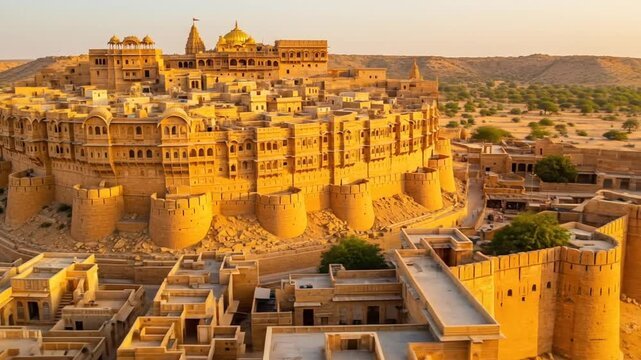
Rising like a massive sandcastle right out of the heart of the Thar Desert, Jaisalmer Fort (affectionately called Sonar Qila or the Golden Fort) is easily one of the most breathtaking sights in India.
But what makes this 12th-century UNESCO World Heritage site truly mind-blowing isn’t just its massive yellow sandstone walls—it’s the fact that it is a “living fort.”
A Vibrant City Within Walls Unlike most forts in India that serve purely as empty museums, a quarter of Jaisalmer’s old city population still lives right inside these walls! As you wander through the labyrinth of narrow, winding alleyways, you’ll walk past vibrant homes, bustling local tea stalls, souvenir shops selling colorful textiles, and ancient families who have inhabited the citadel for generations.
It’s like stepping directly into a living, breathing time capsule.
Top Things to See & Do Inside:
The Fort Palace (Raj Mahal):
The spectacular former residence of the Maharawal, offering a deep dive into royal history.
The Cannon Points:
Head out to the edge of the fort walls for an unbelievable 360-degree view of the entire golden city sprawling beneath you.
Cafe Culture: Sit by a rooftop cafe built directly into the stone bastions and enjoy a hot cup of Masala Chai as the sun starts to dip.
Traveler Tip:
There is no entry fee to simply walk into the fort itself, though specific monuments like the Palace Museum do have a nominal ticket price. Try to visit early in the morning to beat both the mid-day desert sun and the heavy influx of tour groups!
View Nearby Destinations
- All Events
- Destination
Jag Mandir