Rajasthan Tour: 10 Nights 11 Days Itinerary Day 1 Pick up at jaipur and stay Day 2 Jaipur sightseeing,…
Bikaner
Best Places to Visit in Bikaner: The Ultimate Guide to the Camel City
Planning a trip to Bikaner? Explore the Camel City with our 2026 guide. We cover the top attractions, Junagarh Fort logistics, and expert travel tips for your authentic Rajasthan desert adventure.
Rising from the northern reaches of the Thar Desert in Rajasthan, Bikaner is one of India’s most underrated and authentically preserved desert cities. Known as the “Camel City,” Bikaner was founded in 1488 by Rao Bika, a Rathore prince, and grew into a powerful trading hub on the ancient caravan routes connecting Central Asia with the Indian subcontinent. Unlike the more heavily touristed cities of Jaipur and Jodhpur, Bikaner retains a raw, unhurried character — its grand fort, ornate havelis, living camel culture, and famous culinary traditions offering a deeply rewarding experience for the traveler willing to venture a little further into the desert. Use this 2026 guide to explore Bikaner’s most iconic landmarks, hidden gems, and essential travel tips.
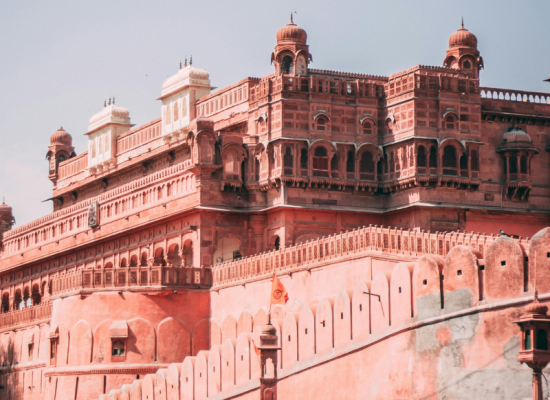
Bikaner Gateway: How to Reach the Camel City
Planning your arrival? Here is how to reach Bikaner’s top attractions from the city’s major transit hubs.
| Destination | Distance from Bikaner Railway Station (BKN) | Distance from Nal Airport (BKB) | Best Time to Visit |
|---|---|---|---|
| Junagarh Fort | ~1 km | ~14 km | Oct – Mar |
| Lalgarh Palace | ~3 km | ~16 km | Oct – Mar |
| Karni Mata Temple (Deshnok) | ~30 km | ~42 km | Morning |
| National Camel Research Centre | ~8 km | ~20 km | Morning |
| Rampuria Haveli | ~1.5 km | ~14 km | Morning |
| Gajner Palace & Lake | ~32 km | ~44 km | Oct – Feb |
| Laxminath Temple | ~1 km | ~13 km | Morning / Evening |
Top Bikaner Highlights
Junagarh Fort
A formidable fort with impressive courtyards and mirrored halls.
National Research Centre on Camel
One of the few camel farms/research centers in the world.
Deshnoke
The town where the Karni Mata Temple is located.
Karni Mata Temple
Famous for being home to thousands of sacred, protected rats.
Gajner Palace
A former hunting lodge situated beside a tranquil lake.
Kolayat
A sacred site with a temple and a lake, often a stop for pilgrims.
Lalgarh Palace
A red sandstone palace that showcases exquisite Bikaner architecture.
Rampuria Haveli
Known as the "pride of Bikaner" for its intricate red sandstone art.
Frequently Asked Questions (FAQ)
How many days do I need in Bikaner?
2 days is sufficient to cover the main attractions comfortably. Spend Day 1 at Junagarh Fort, Rampuria Haveli, and the old city lanes. Use Day 2 for a morning visit to the Karni Mata Temple in Deshnok and the National Camel Research Centre, followed by an afternoon at Lalgarh Palace. If time allows, add a half-day trip to Gajner Lake before departing.
What is the best time to visit Bikaner?
October to February is the best time to visit. The weather is dry and cool with pleasant daytime temperatures between 10°C and 25°C. The Bikaner Camel Festival, held annually in January, is one of the most vibrant and photogenic cultural events in Rajasthan and a compelling reason to time your visit accordingly. Avoid March to June when desert temperatures regularly exceed 40°C.
What is Bikaner famous for food?
Bikaner has an extraordinarily rich culinary heritage and is considered one of the great food cities of Rajasthan. It is most famous for Bikaneri Bhujia — a thin, crispy sev snack that originated here and is now exported across the world. Other must-try items include Bikaneri Rasgulla (softer and less sweet than the Bengali version), Kachori, Paneer ki Sabzi, and the local variation of Dal Baati Churma. The Haldiram brand — now one of India's largest snack companies — traces its origins directly to a small sweet shop in Bikaner.
Tours & Packages
Jodhpur Jaisalmer Bikaner Chittorgarh: 5 Nights Itinerary Day 1 Pick up at Bikaner; visit the Karni Maa Temple, the…
Rajasthan Mewar Tour Package: 6 Nights Itinerary Day 1 Pick up at Jaipur, visit the City Palace, Hawa Mahal,…